
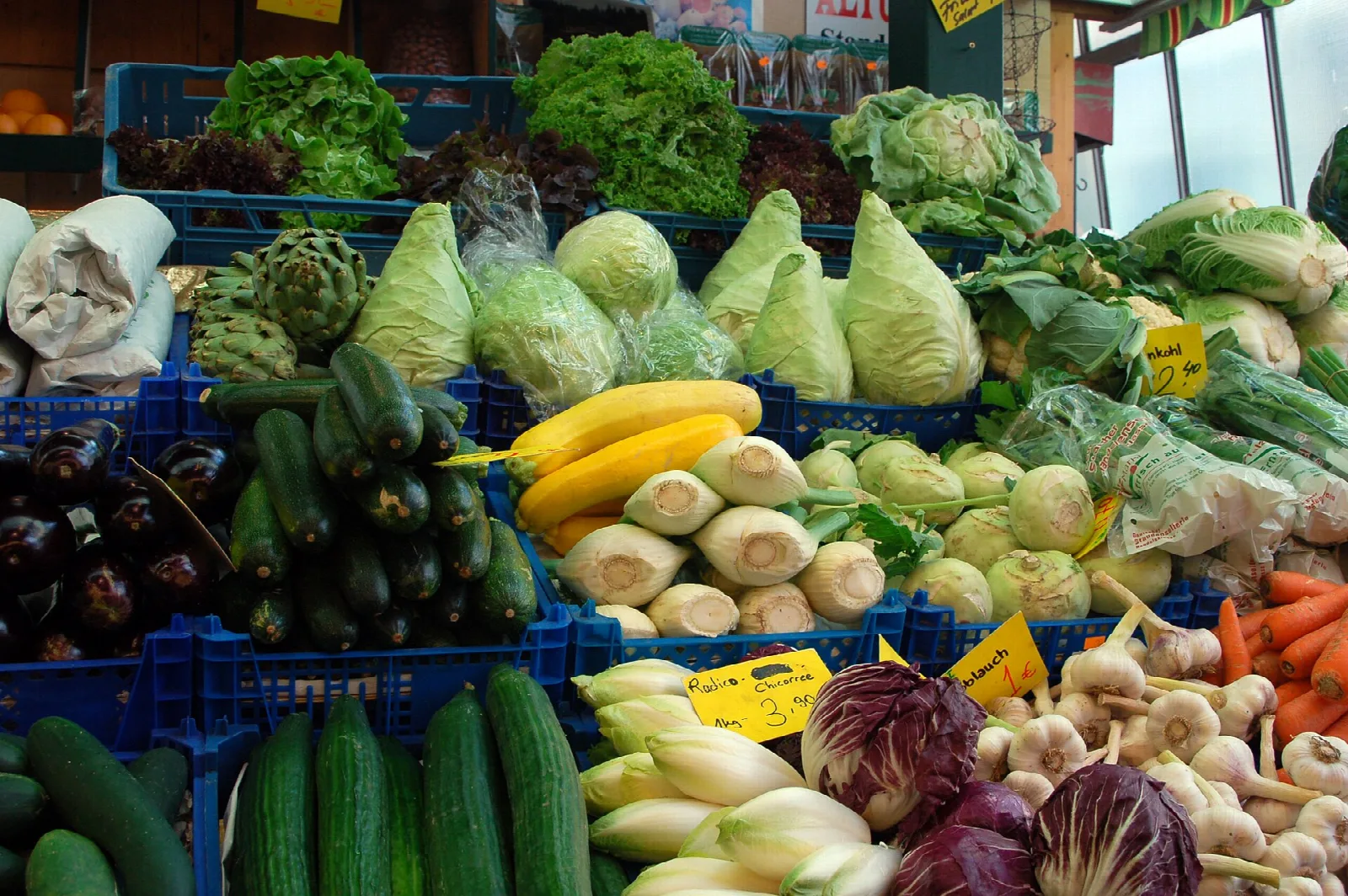
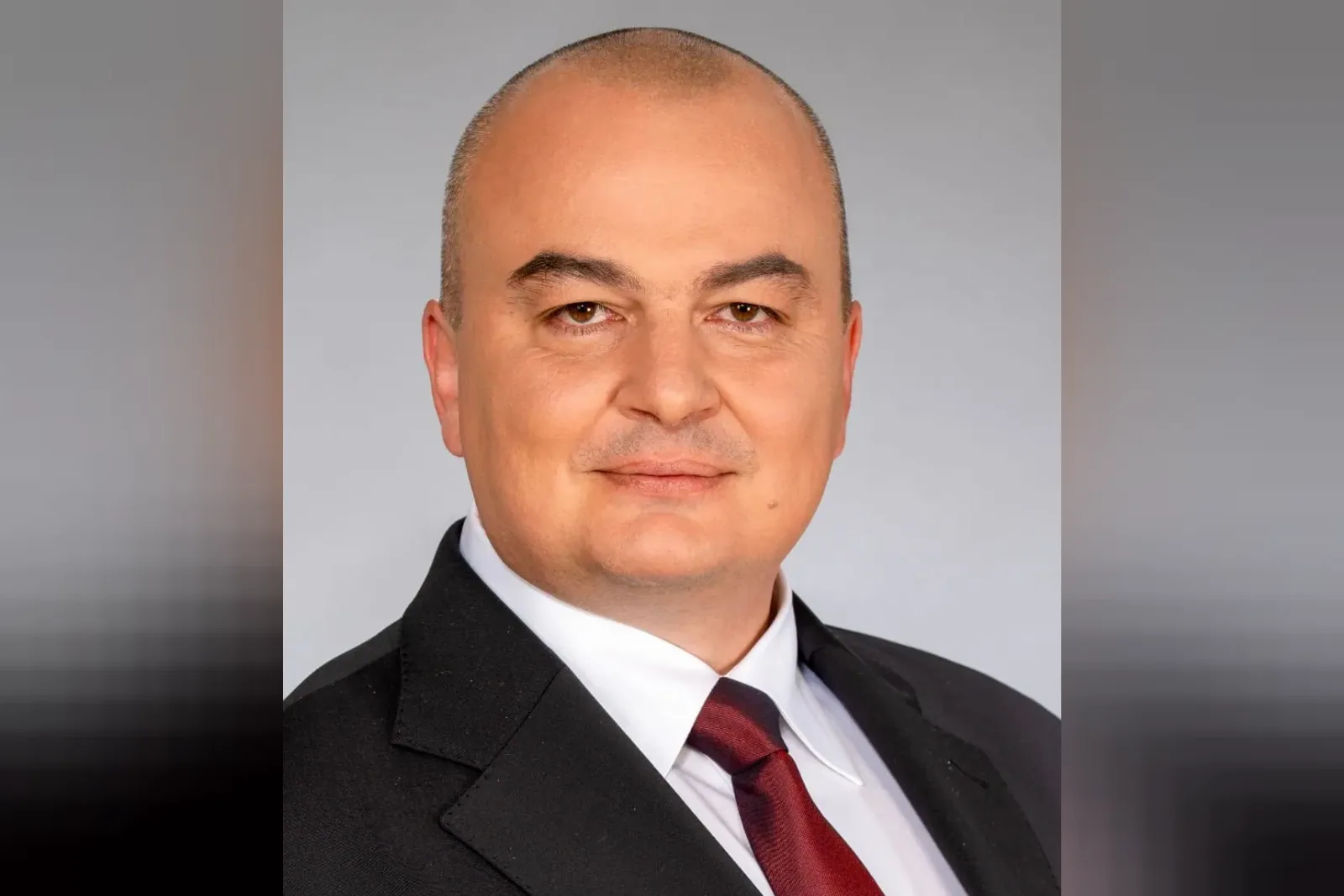
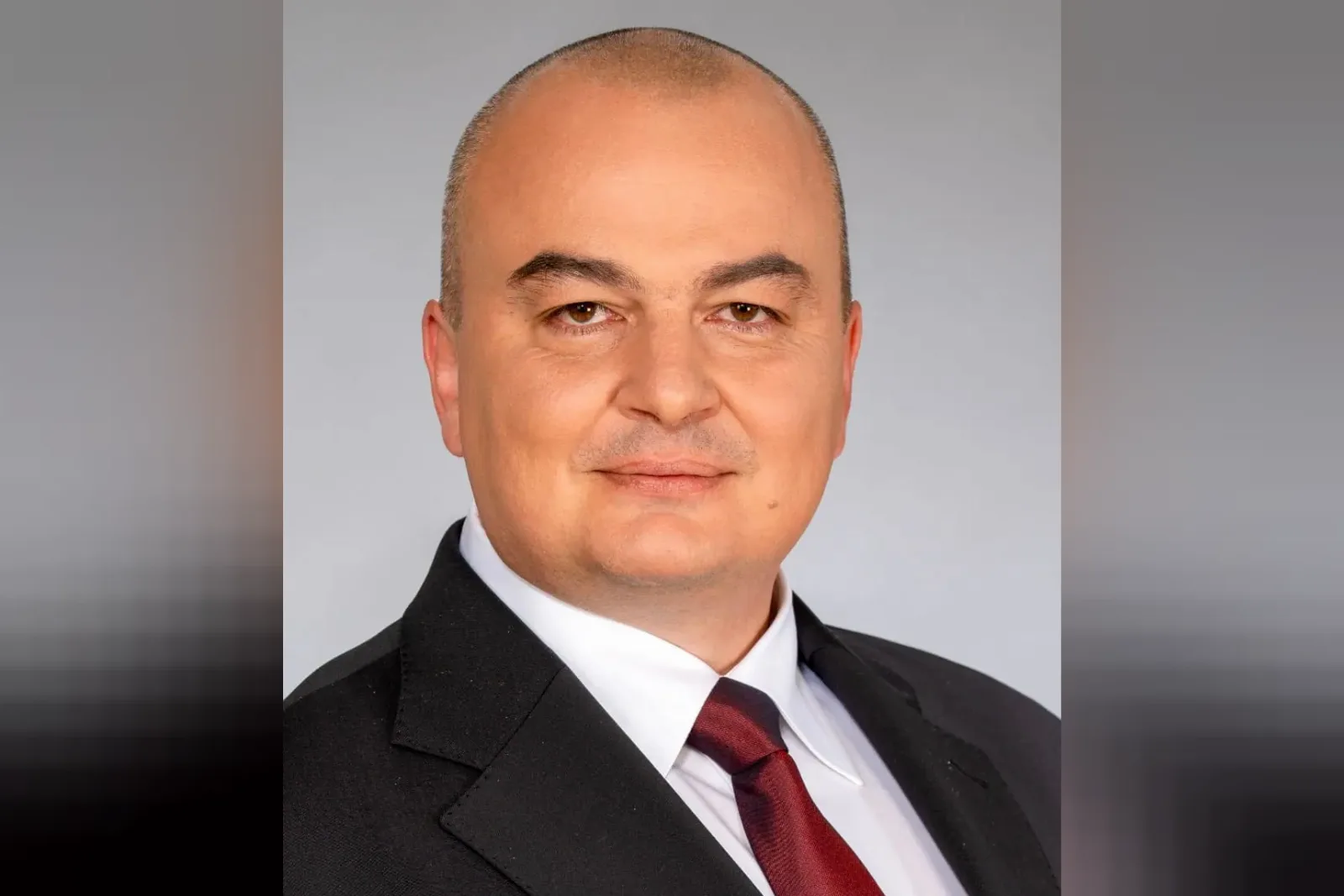
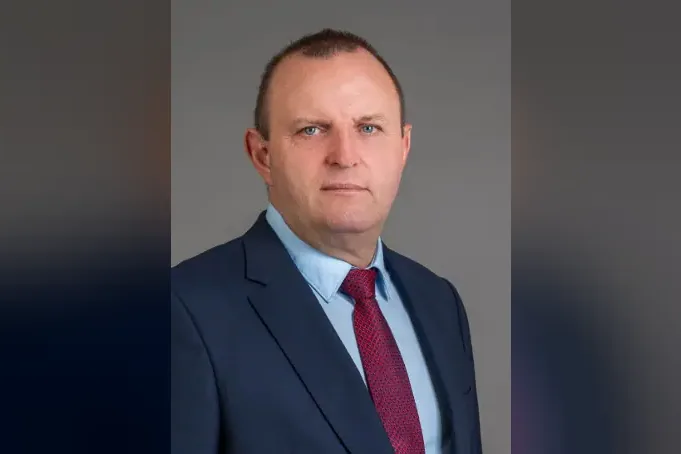
"Our supply system is broken, and it has been broken for a very long time." With these words, Minister of Agriculture Plamen Abrovski diagnosed one of the most painful problems regarding food in our country. He was adamant that the solution cannot be achieved through a single administrative measure. According to him, the price hike is not due to the euro but is the result of defects accumulated over years, which must be addressed starting from the very way Bulgarian produce reaches store shelves.
In an interview with the media, Abrovski noted that the topic of the cost of fruits and vegetables, which are traditionally cheapest in the summer, has been discussed every year for at least a decade. According to him, society must shift its focus and realize that the roots of the problem are not at the checkout counter, but begin much earlier – in production, procurement, storage, and delivery. Regarding the political debate, the minister stated that he agrees with the opposition only on the fact that the euro is not to blame for the price increases. He clarified that prices have not increased in euros, but in levs, with the period of actual growth being 2024 and 2025.
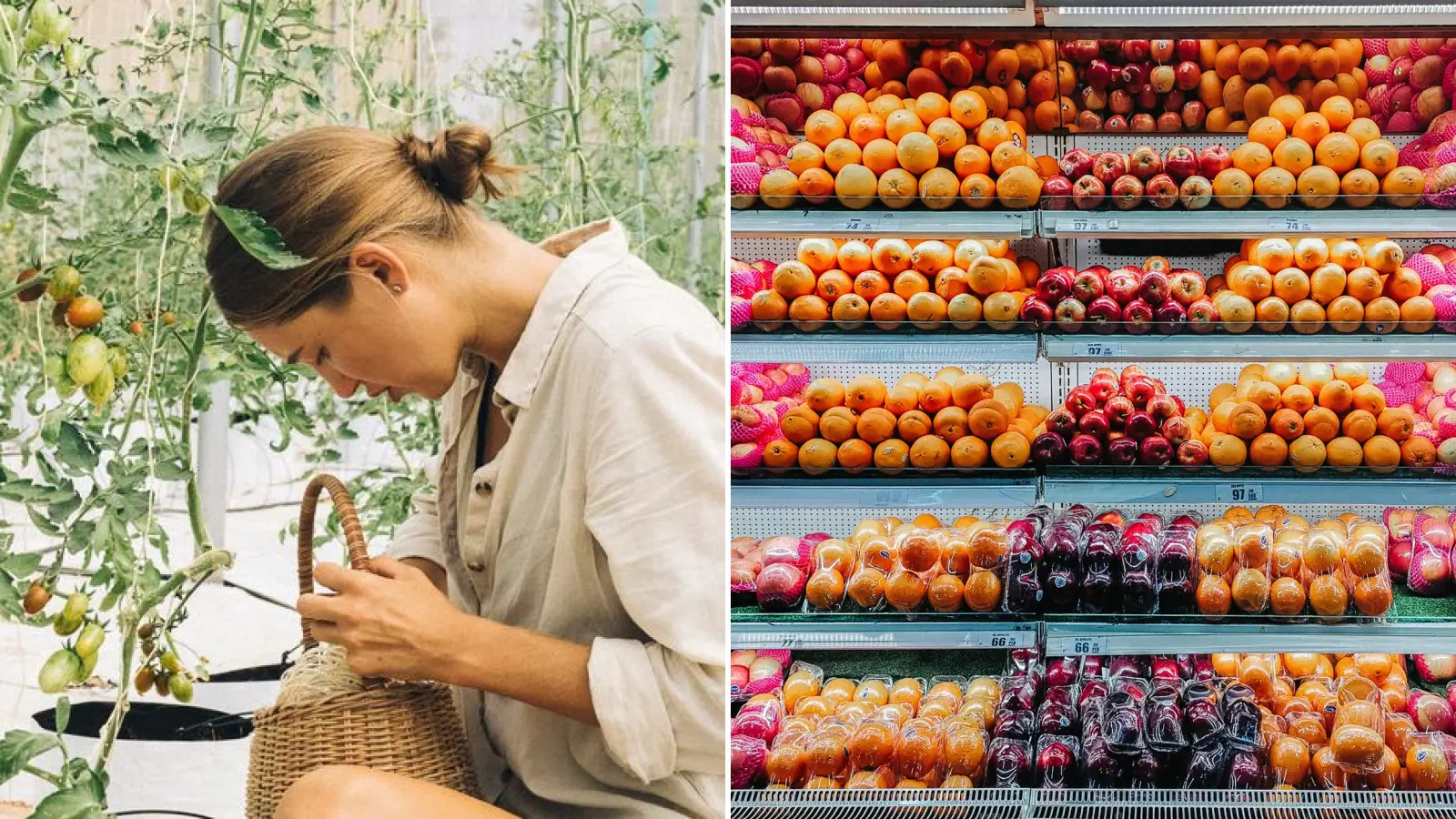
The minister emphasized that there is no "quick button" to make food cheaper. Controlling prices is a complex process that requires systematic actions – from delivery through regulation to reaching the end consumer, in order for food to be high-quality and affordable. A key drawback of Bulgarian agriculture, according to Abrovski, is that producers remain too fragmented, while facing large commercial structures with significantly stronger positioning. Data shows that over 70% of retail trade passes through these very chains.
To change this, the minister insists that farmers cooperate by creating regional storage facilities. Through these, producers will be able to collect a sufficient quantity of goods to guarantee constant supply and quality. This way, the small farmer will not be forced to meet the heavy requirements of huge chains alone, but will enter the market as part of a stronger union – a model Abrovski has long advocated as the key to a greater presence of Bulgarian produce in the retail network. In parallel, the ministry is preparing a unified electronic system for strict control. It will allow every product to be tracked from production or import to the store, so that its origin and exactly where the final price is formed can be clearly seen. The minister's ultimate goal, announced back in June, is for farmers to receive their income from the market rather than being dependent on constant subsidies.
Abrovski also commented on the critical situation with anthrax in the village of Stefanovo, Lovech region. He confirmed that the infected animal had been slaughtered and butchered for personal consumption, but the meat did not reach the market. At the moment, serious measures have been taken:
- The BFSA (Bulgarian Food Safety Agency) has imposed strict restrictions on a farm with 205 cattle, with disinfection and vaccination being carried out.
- Three people have been confirmed to have anthrax, and a total of 21 are being monitored as contacts.
The minister reacted sharply to reports that at the first signs of illness, the farmers decided to slaughter the animal for their own consumption instead of seeking help. "This shows a low level of farmer awareness regarding the disease," he stated. Abrovski called on industry organizations to take responsibility and play their part by explaining to their members exactly how they should react in such situations.
Comments (3)
пламен абровски, значи нов министър? 🔥
Абровски… откъде го извядиха?
Абровски... да бе, кой ДРУГ би могъл да е