
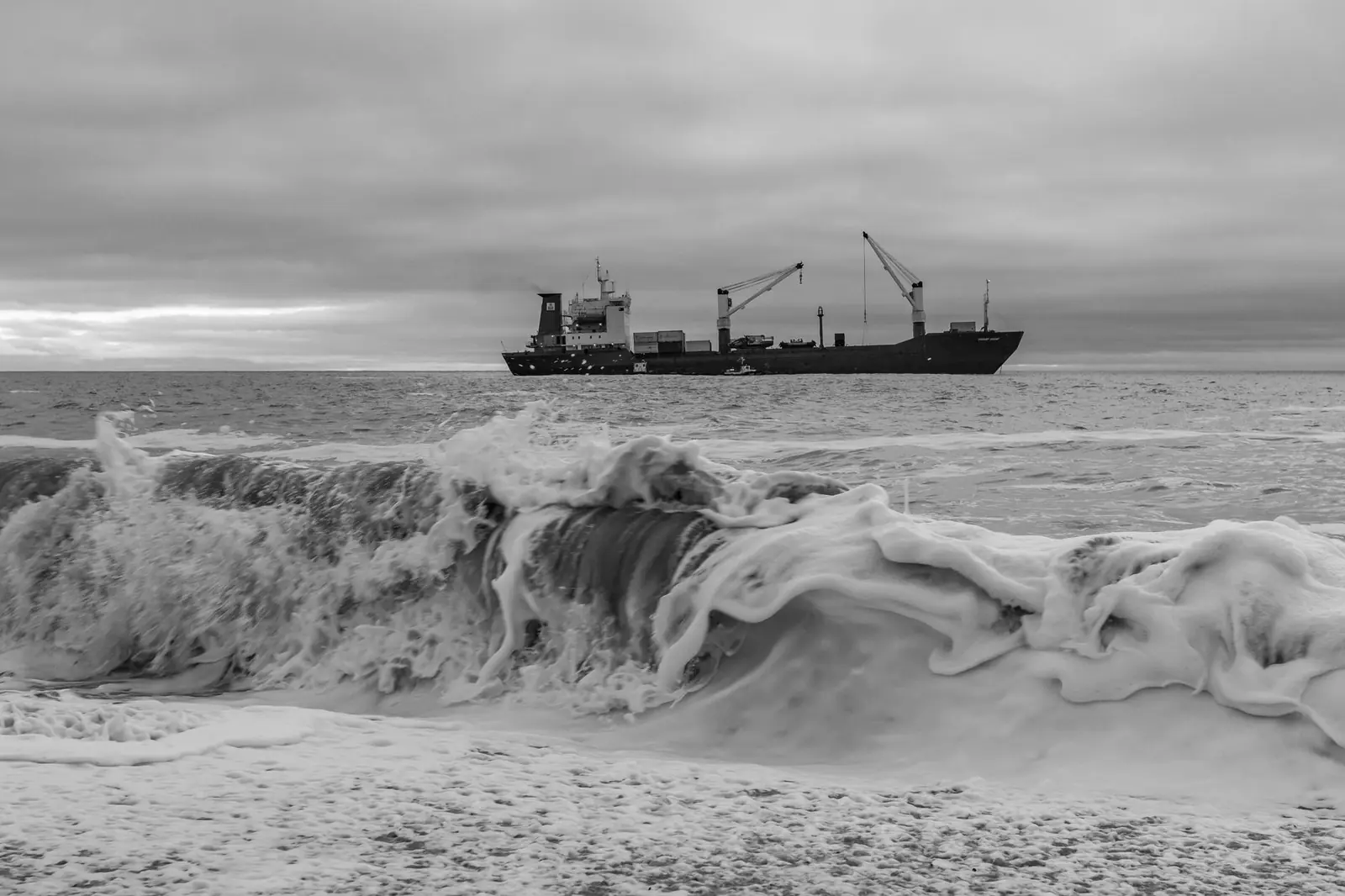
EU leaders have blamed Russia for attacks on civilian ships in the Black Sea, including in the exclusive economic zones of Bulgaria and Romania. They call the strikes unacceptable and a serious breach of international and maritime law. The heads of state and government wrote this in conclusions adopted on the evening of 16 October, at the end of a two-day summit.
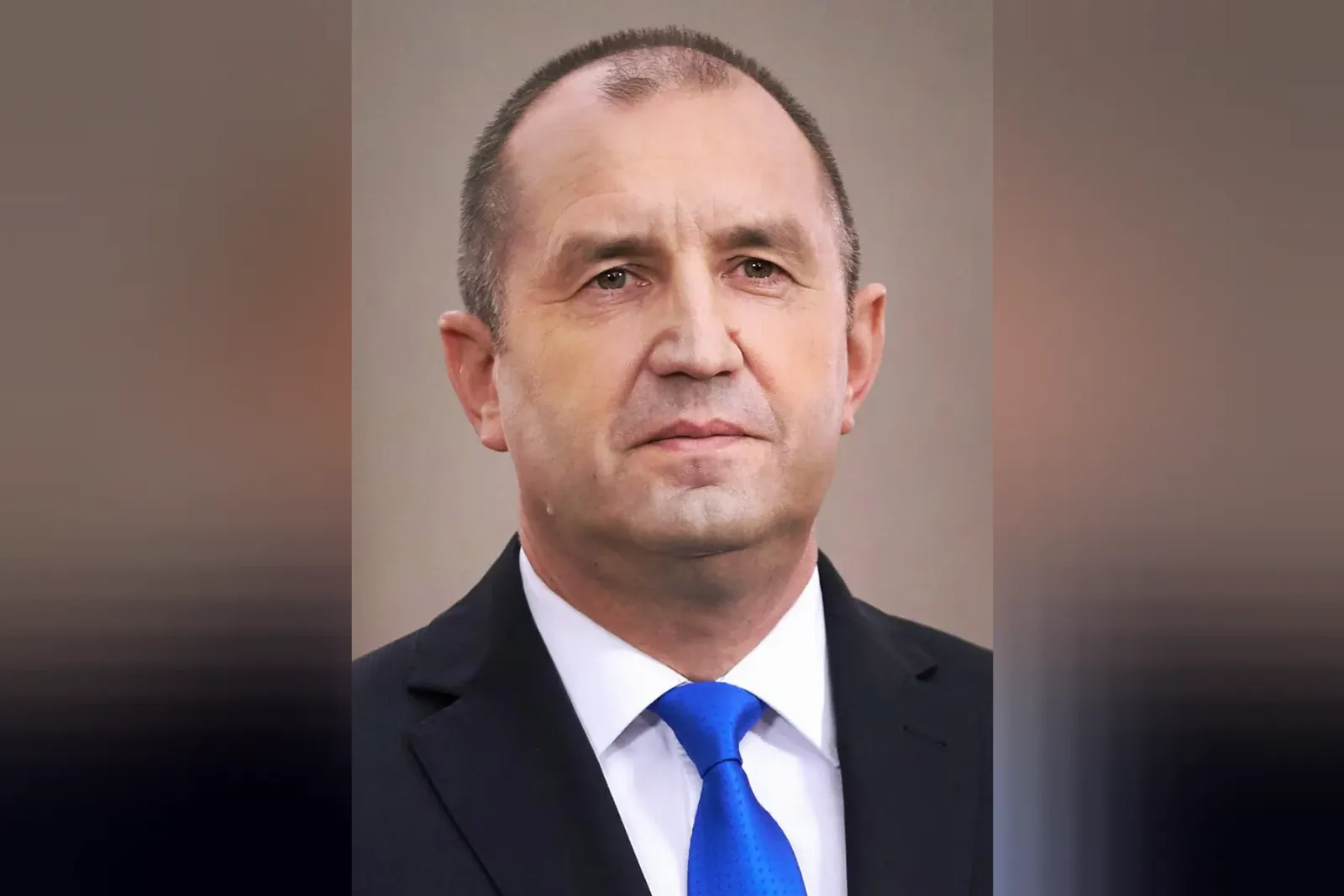
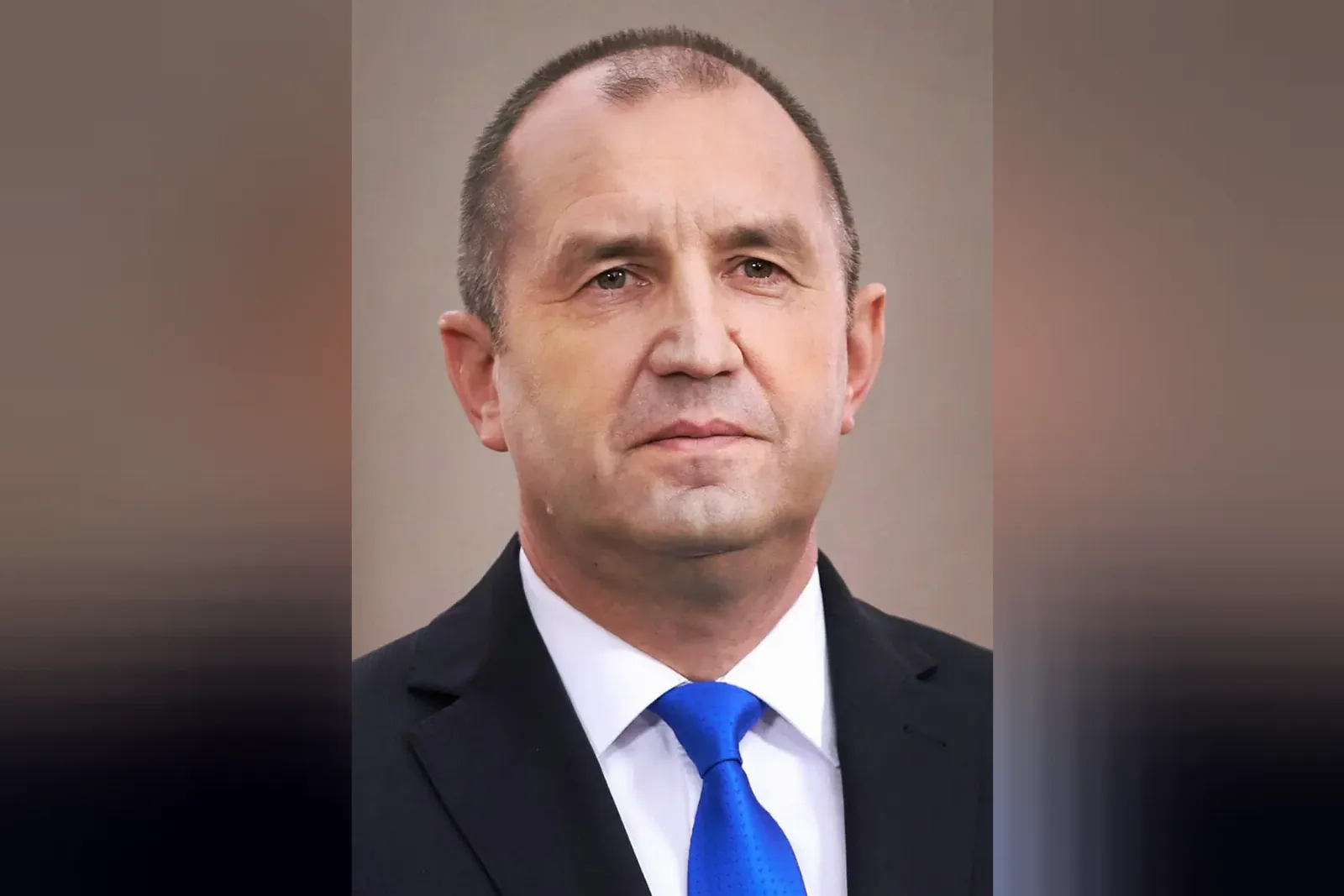
This story follows our earlier report on Prime Minister Rumen Radev's call on the EU and NATO for joint action against attacks on ships in the Black Sea. He made the call after talks with Ursula von der Leyen and Mark Rutte.
The European Council wants safe passage restored at once for all civilian, commercial and economic vessels, so the situation does not get worse.
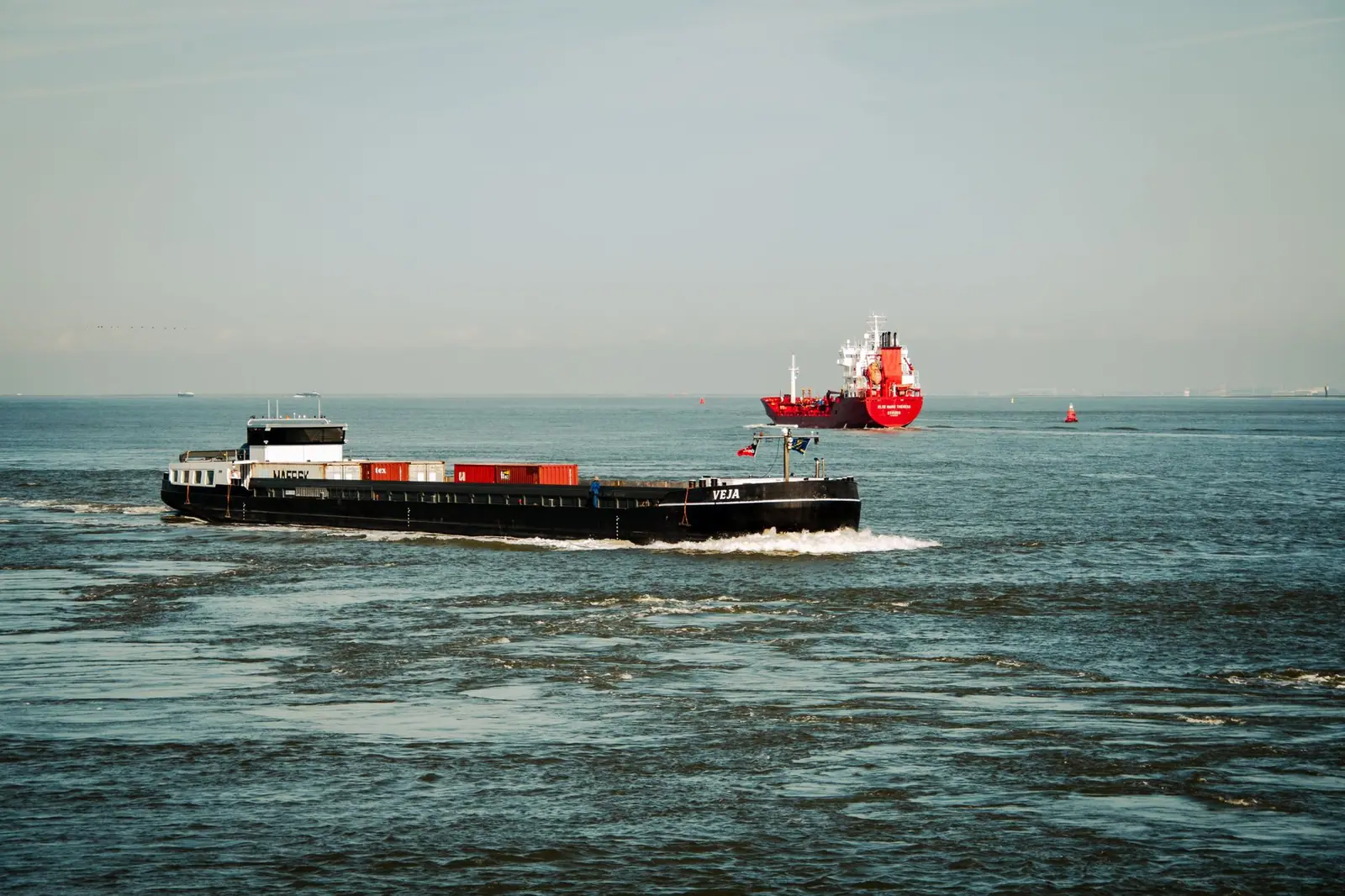
Over the past few days, four merchant ships were hit in Bulgaria's exclusive economic zone. Two of them sank, and people died. Two more ships were hit in Romania's territorial waters.
The conclusions say strikes on civilian, commercial and economic vessels, including ships flying the flag of an EU state, also breach the UN Convention on the Law of the Sea. Security, stability and freedom of navigation in the Black Sea are of strategic importance, the document says.
Radev has so far been unwilling to blame Russia. He says there is no proof it is guilty. His refusal is one reason why former prime ministers, generals, diplomats and public figures have publicly called on the government to protect national security as threats to Bulgaria and the region grow.
The EU leaders say Moscow is hitting Ukraine's farm infrastructure, Black Sea and Danube ports, border crossings, export facilities and ships. They say it is also blocking shipping routes and destroying grain stores.
"Russia is again using food as a weapon and undermining global food security, especially in Africa, Asia and the Middle East," the leaders write.
They want the "Solidarity Lanes" between the EU and Ukraine strengthened further, calling them vital for steady grain exports. They also say the EU must stop exporting grain that Russia has stolen from temporarily occupied Ukrainian territory.
The European Council backs a comprehensive, just and lasting peace based on the UN Charter and international law, with solid and credible security guarantees for Ukraine. Such a peace is possible only if the country's independence, sovereignty and territorial integrity are respected.
"Borders must not be changed by force, the aggressor must not be rewarded, and Ukraine's long-term security and its ability to defend itself must be guaranteed," the conclusions say. The leaders say the path to peace cannot be decided without Ukraine.
The EU will decide for itself on matters that fall within its remit or affect its security. Europe has a key role in any future settlement and will defend its interests.
The bloc backs diplomatic efforts to end Russia's war of aggression and is ready to play a bigger part in them. The European Council calls on Moscow to show it wants peace, accept a full, unconditional and immediate ceasefire, and start meaningful talks.
Prisoner-of-war exchanges, and the return of illegally deported Ukrainian children and detained civilians, must go on as part of the road to peace. The leaders describe these as humanitarian and confidence-building steps.
The EU and its member states are ready to help provide security guarantees for Ukraine, mainly through the Coalition of the Willing and in cooperation with the US. Each country will take part according to its powers and means, and in line with international law.
The guarantees will include help for Ukraine to deter aggression and defend itself effectively, in the long term as well. Member states remain committed to training and equipping Ukraine's armed forces.
The leaders also welcomed the agreement to extend and review the mandate of the EU Military Assistance Mission in support of Ukraine.
The EU is determined to increase pressure on Russia to stop the war and open meaningful peace talks. The European Council welcomed the 21st sanctions package and the addition of a large number of people and organisations to the sanctions lists.
The leaders want the measures against Russian former combatants applied quickly and effectively. They also call for new steps, agreed with partners, to cut Russia's energy revenue, close loopholes in the sanctions and stop people getting around them.
The conclusions give separate attention to the "shadow fleet". The EU wants to limit its operations and undermine its business model with a "whole-route" approach, coordinated among member states and with partners.
It plans a joint approach to the risks these ships pose to the environment and to the safety of shipping. It also plans more boardings, in line with international law and the UN Convention on the Law of the Sea.
The European Council said it regrets the US decision to temporarily lift sanctions on Russian diesel.
The EU remains committed to full accountability for war crimes and the other gravest crimes in Russia's war against Ukraine. It backs efforts in the Council of Europe to get the International Claims Commission for Ukraine and the Special Tribunal for the Crime of Aggression against Ukraine up and running.
The leaders again called on all states to stop at once any direct or indirect help for Russia, especially supplies of dual-use goods and components. They strongly condemned the sending of North Korean troops to the war against Ukraine, and the continuing military support for Russia from Iran, Belarus, North Korea and other countries.
Until Ukraine has a just and lasting peace, Russian and Belarusian participation in international sports and cultural events should not be treated as normal, especially through the display of national symbols, the conclusions say.
Comments (0)
No comments yet.