
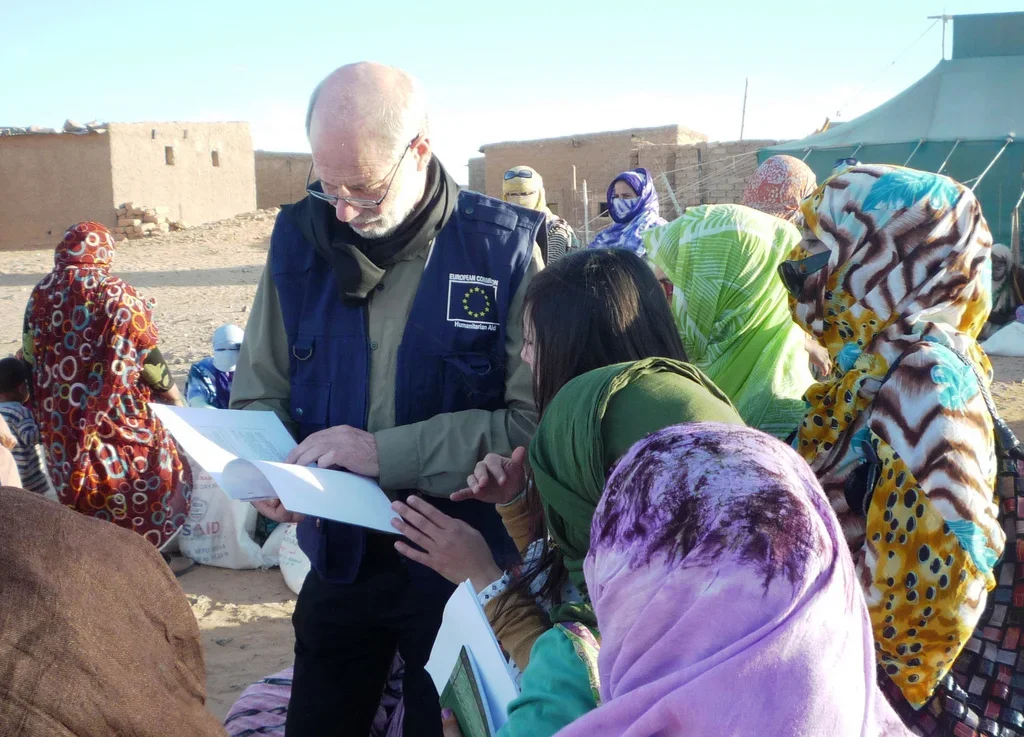
International humanitarian organizations and the UN warn that the ongoing war between the United States, Israel and Iran has caused the most severe global disruption in supply chains since the COVID‑19 pandemic, threatening access to food and medicine for hundreds of millions of people. According to them, the conflict is no longer just a regional crisis, but is becoming a factor that changes the prices and availability of basic goods around the world.
Blocked Hormuz and expensive bypass routes
The clash, which began with US and Israeli strikes on Iranian territory on February 28, practically paralyzed traffic through the Strait of Hormuz - a strategic "narrow passage" through which about 30% of the world's sea fertilizer supplies pass. Simultaneously, the operations of key logistics hubs in Dubai, Doha and Abu Dhabi were disrupted, which further complicated the re-routing of cargo.
The UN estimates the increase in sea transport costs at up to 20%, as ships are forced to use longer and more expensive routes. "Maersk" CEO Vincent Clerk told the BBC that ultimately the increased transport costs will be passed on to consumers, with transport tariffs in some cases already up 15-20%. This means more expensive food, medicine and fertilizers even far from the conflict zone.
An impending wave of hunger
The World Food Program warns that if the fighting continues until at least June, another 45 million people could find themselves in a state of acute hunger, in addition to the nearly 320 million who are already experiencing food insecurity. This would bring the total number of people facing serious food problems to a record 363 million – more than after the Russian invasion of Ukraine in 2022, Bloomberg reports.
The disruption in supply chains already has concrete consequences for humanitarian operations. The International Rescue Committee (IRC) reports that pharmaceuticals worth $130,000 intended for war-torn Sudan are blocked in warehouses in Dubai. Almost 670 boxes of therapeutic food for malnourished children in Somalia are being held in India due to transport problems. UNICEF reports that the delivery of vaccines to Iran now requires air transport to Turkey first and then land transport, which extends the route by about 10 days and increases costs by about 20%.
The organization "Save the Children" adds that the re-routing of humanitarian goods for Sudan, to avoid the Red Sea, adds about 10 days to the delivery time and increases costs by approximately 25%. According to the organization, this puts at risk over 90 primary health care centers that may run out of vital medicines. "The war in Iran and the disruption of shipping through the Strait of Hormuz threaten to push humanitarian operations to the limits of their capacity," emphasizes Madiha Raza from the IRC.
New humanitarian hotspots and first steps towards a diplomatic response
The war has already provoked additional humanitarian crises outside of Iran. In Lebanon, where Hezbollah attacked Israel in response to the assassination of Iranian Supreme Leader Ali Khamenei, over one million people have been forced to leave their homes due to Israeli bombings and a ground operation that began on March 16. In response, the US State Department announced an additional $50 million in emergency aid to Lebanon, including funding for the World Food Program.
On March 27, UN Secretary-General António Guterres created an inter-sectoral working group to support trade in fertilizers through the Strait of Hormuz on the model of the "Black Sea Grain Initiative", which, during the war in Ukraine, allowed the export of Ukrainian grain. The new mechanism will operate from a coordination center in the Omani port of Salalah, where a UN team will track and inspect shipments.
Iran has agreed to start negotiations on this plan, and the country's permanent representative to the UN said that Tehran will "cooperate and further accelerate the safe passage of humanitarian goods" through the strait. However, aid organizations warn that such a working group in itself is not enough to compensate for the scale of the disrupted supplies.
Without a ceasefire, the impact on supply chains will echo for months
Humanitarian organizations agree that without a political solution and at least a partial ceasefire, the damage to global supply chains will continue to accumulate. Even with a rapid de-escalation of the conflict, delayed deliveries, congested ports and more expensive transport can continue to hinder the timely delivery of aid to those in need months after the last shots.
In this context, experts insist on a dual approach: parallel efforts to politically resolve the conflict and urgently strengthen humanitarian logistics – including alternative routes, flexible funding and better coordination between international organizations and the private sector. Otherwise, the war in Iran risks becoming not only a regional tragedy, but also a catalyst for a global food and medicine crisis that will affect the most vulnerable communities on the planet.





Comments (8)
абе, сериозно ли?! какво става с този свят, бе хора? да си го кажа направо - гнус ме е! пак някакви си "силни" държави си правят войни, а обикновените хора – какво? гладуват и умират без лекарства?! това ли е цивилизацията, за която ни учили?
Абе, пак ли?! Да им го духат на тия, дето си правят войни! Все едно кога ще се научат да мислят за хората, а? Иран, САЩ, Израел -
а бе, тоя свят кога ще влезе в ред, бе?! пак народ страда заради ня
Ебаси майката! Пак така... Ама наистина, кога ще свършат тия драми бе?! Да им гледаме всичките нагълци, дето си правят войни за някакви си интереси. Хора гладуват, деца умират... И кво? Нищо не се прави!
Абе хора, каква е тая картинка?! Пак някъде кървят, пак невиновни страдат... Много ми стана от тия войни! Сериозно! И какво ни остана на нас? Да седим и да гледаме как глобалните вериги за доставки блокират, а бабите не могат да си купят лекарства