
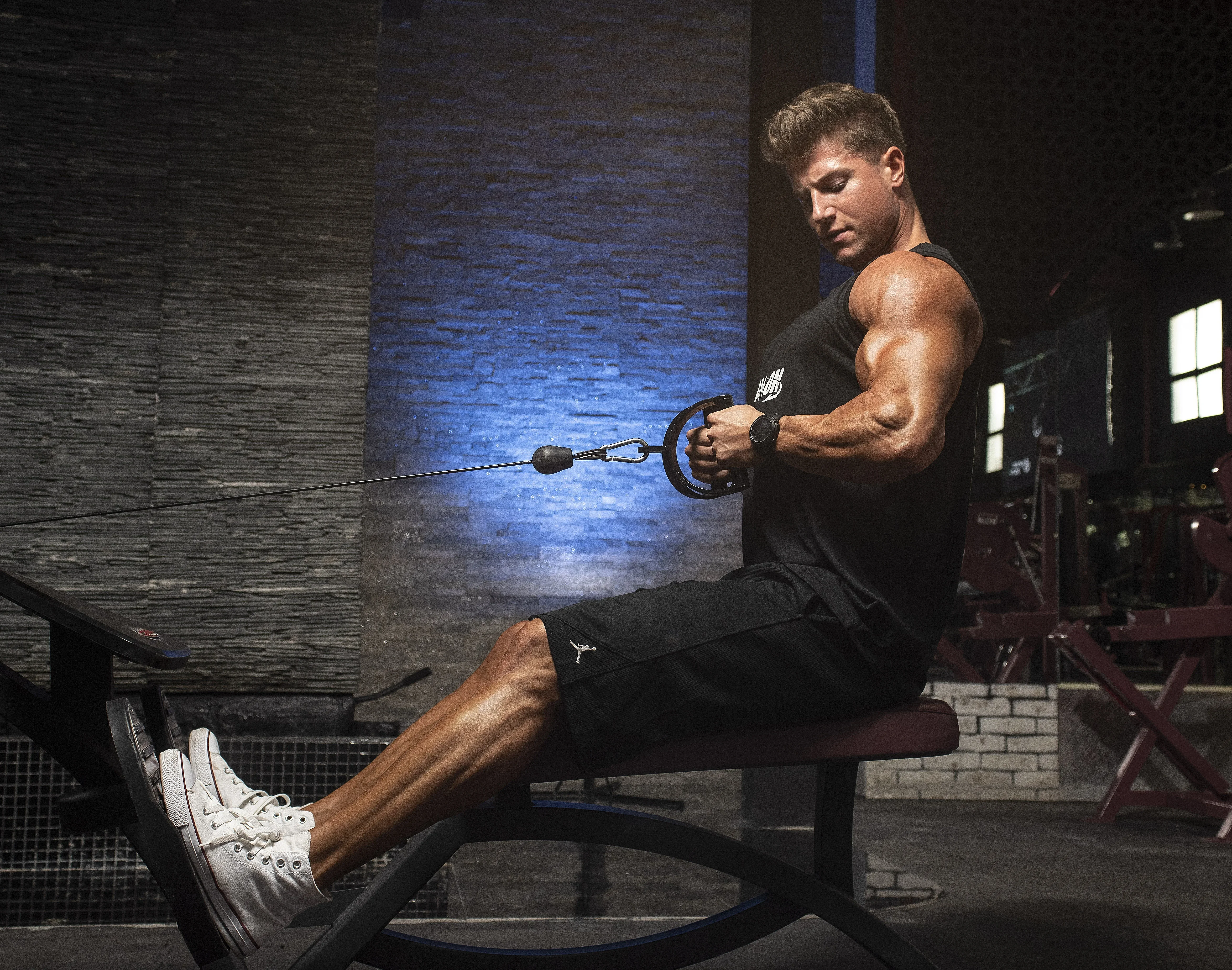
Защо на 20 ходим във фитнеса, а на 50 – защо продължаваме? Отговорът често е различен. При младите доминира желанието да изглеждат добре в огледалото, докато с напредване на възрастта все по-централни стават здравето, подвижността и дълголетието. Международни проучвания показват, че външността е водещ мотив за активност в ранната зряла възраст, но след 40–50 години приоритетите се пренареждат – спортът става "застраховка" за по-добър живот, а не само средство за по-стегнато тяло.
Младите: фитнес като проект "тяло и привлекателност"
Редица изследвания показват, че младите възрастни придават изключително голяма тежест на външния вид. Анализ на мотивацията за тренировки установява, че хората на 20–25 години значително по-често посочват "по-привлекателно тяло", "отслабване" и "оформяне на мускули" като основни причини да спортуват, в сравнение със средната и по-късната възраст.
В едно от последните изследвания на навиците за физическа активност близо една четвърт от редовно спортуващите посочват външния вид като основен мотив, докато по-малък дял се движат главно от грижа за физическото си здраве. Още значим процент поставя на първо място психично и емоционално благополучие, но в младите групи именно визуалният резултат остава най-силен магнит.
Култура на "перфектното тяло" и социални мрежи
Психолози отбелязват, че при младите често се наблюдава силна социална сравнимост – желанието да приличат на фитнес треньори, инфлуенсъри и "идеални" тела в социалните мрежи. Изследвания сред редовни посетители на фитнес зали показват, че хора на 20–30 години значително по-често от по-възрастните тренират с цел контрол на теглото и подобряване на атрактивността, а не заради конкретни здравни показатели.
Подобни "appearance-based" мотиви могат да имат двоен ефект. От една страна, те често са достатъчно силни, за да накарат младите да започнат да тренират. От друга – когато резултатът не съвпадне с високите визуални очаквания, това може да отслаби връзката между редовните тренировки и позитивния образ на тялото и да доведе до разочарование и отказване.
След 30–40: здраве, енергия и "качество на живот" излизат напред
С напредването на възрастта мотивите постепенно се преместват от огледалото към здравната карта. Анализ на мотивите за физическа активност по възраст показва, че външността и контролът на теглото са най-силни в групите 20–30 години и отслабват в средната възраст, докато мотиви като "здраве", "жизненост" и "добро самочувствие" нарастват при хора над 30–40 години.
В големи европейски проучвания за спортните навици над половината от анкетираните посочват "подобряване на здравето" като основна причина да се движат, докато "подобряване на външния вид" остава важен, но вторичен мотив. При по-възрастните групи (40+ и особено 55+) здравето, подвижността и профилактиката на хронични болести доминират много по-силно, отколкото естетичните цели.
Как възрастта променя не само "защо", но и "как" тренираме
Възрастта влияе не само на причините, но и на начина, по който хората обичат да спортуват. Качествени изследвания на мотивацията за упражнения показват, че по-младите възрастни по-често предпочитат да тренират сами – те описват тренировката като "me time", време да "зонат" и да гонят лични цели без социални разсейвания.
По-възрастните участници, обратно, по-рядко търсят изолация и по-често виждат активността като социално преживяване – "we time". Те подчертават значението на групи, приятели, клубове и общности, чрез които не само поддържат форма, но и създават и укрепват връзки. Това се вписва в по-широките теории за развитието през жизнения цикъл, според които с възрастта хората поставят по-голям акцент върху емоционално смислени цели и отношения.
Фитнес след 50: движение като "лекарство" и инвестиция в бъдещето
С напредване към 50+ мотивацията "за здраве" става още по-конкретна: не просто "да се чувствам добре", а "да намаля риска от инфаркт", "да пазя ставите", "да мога да играя с внуците". Медицински данни показват, че редовната умерена активност намалява риска от сърдечно‑съдови заболявания, диабет тип 2, някои видове рак и депресия и подпомага когнитивните функции в по-късна възраст.
Дългосрочни изследвания върху хора над 70 години, които са тренирали редовно десетилетия, показват, че те имат сърдечно‑дихателна и мускулна форма, сравнима с тази на значително по‑млади хора. Лекари описват ефекта с кратката формула ""Exercise wins"" – постоянната активност забавя биологичния часовник по измерим начин. За тази група външният вид е второстепенен; основният мотив е да запазят автономията и качеството си на живот възможно най-дълго.
Общество, маркетинг и рисковете на "култа към външността"
Културата на фитнес индустрията дълго време подсилва предимно външния мотив – реклами, които продават "тяло за плажа" и "бързи трансформации". Данни от дългосрочни проучвания показват, че от края на 80‑те до 2010‑те години мотивите, свързани с контрол на теглото и външен вид, са нараснали значително като причина хората да започнат да спортуват.
Проблемът е, че прекомерният фокус върху външността е свързан с по-нестабилна мотивация и по-висок риск от нездравословни поведения – екстремни диети, претрениране, недоволство от тялото дори при реален напредък. Когато мотивацията за тренировки е силно "appearance-based", връзката между честотата на упражненията и позитивния образ на тялото отслабва – човек тренира повече, но не се чувства по-добре в собствената си кожа.
Как да използваме "правилната" мотивация на всяка възраст
Психолозите по здраве препоръчват да не демонизираме мотивацията за външен вид – тя често е първата искра, която води до полезна промяна в навиците. Ключът е с времето да се надгради с по-дълбоки вътрешни мотиви: повече енергия, по-добър сън, по-малко болки, по-малък риск от заболявания, чувство за компетентност и социална принадлежност.
Данните и теориите за развитието през живота показват, че посланията за активност трябва да се адаптират: при младите е ефективно да се говори за форма, сила и увереност, но паралелно да се поставя акцент върху здравето; при хората в средна и по‑късна възраст – върху подвижност, независимост, дълголетие и социална свързаност. Така фитнесът може да остане смислена част от живота не само "за лятото", а за целия жизнен път.


Коментари (13)
Абе, сериозно ли тази новина? Че с годините хората мислят пове4е за здравето?! Ама наистина ли е нужно да го пишат?! Ясно е на всеки нормален човек, че като ти секне младостта и започнеш да усещаш костите си, вече НЕ те интересуват мускулите за Instagram-
Ахахах... к'во да кажа аз? Ясно е, че като ти се скапе гърба на 40+ и не можеш да си вържеш обувките, вече няма значение колко корема имаш. Затова ходим във фитнеса, за да не ни носят на ръце, а да можем сами до тоалетната да стигнем, 🤬
ей, здравейте! 😅 чета коментарите... верно, правят впечатление тия наблюдения за фитнеса. ама наистина ли е изненада, че на по-късен етап хората се интересуват повече от това да са здрави и да могат да си вършат нещата, а не само да имат "перфектно" тяло
хммм, интересно наблюдение... наистина ли е нужно да се доказва, че здра
Абе, хора, к'во се втелясвате? Ясно е все! На младини искаме да сме баровци, после - да не ни боли кръста като си пи 😏