
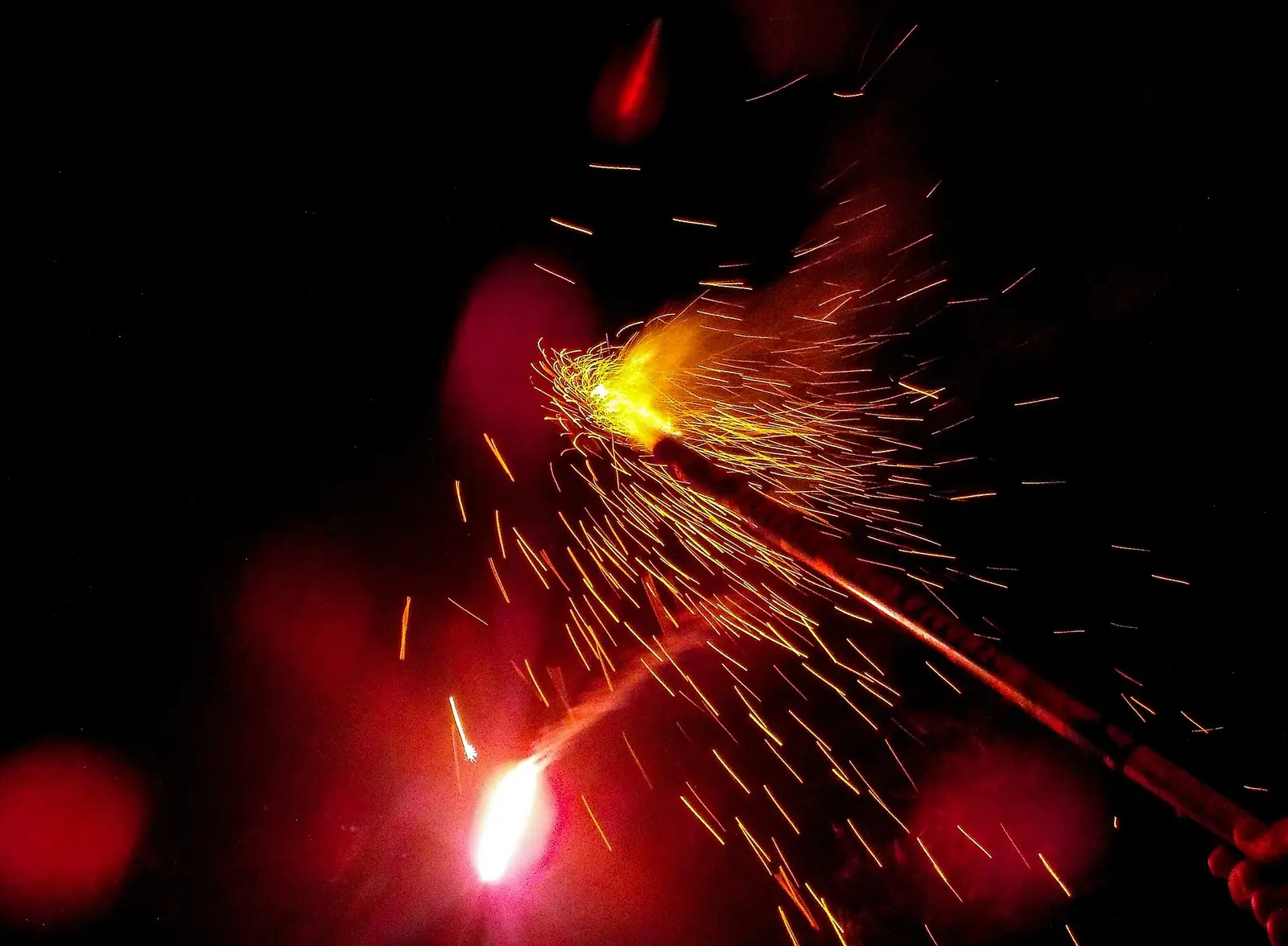
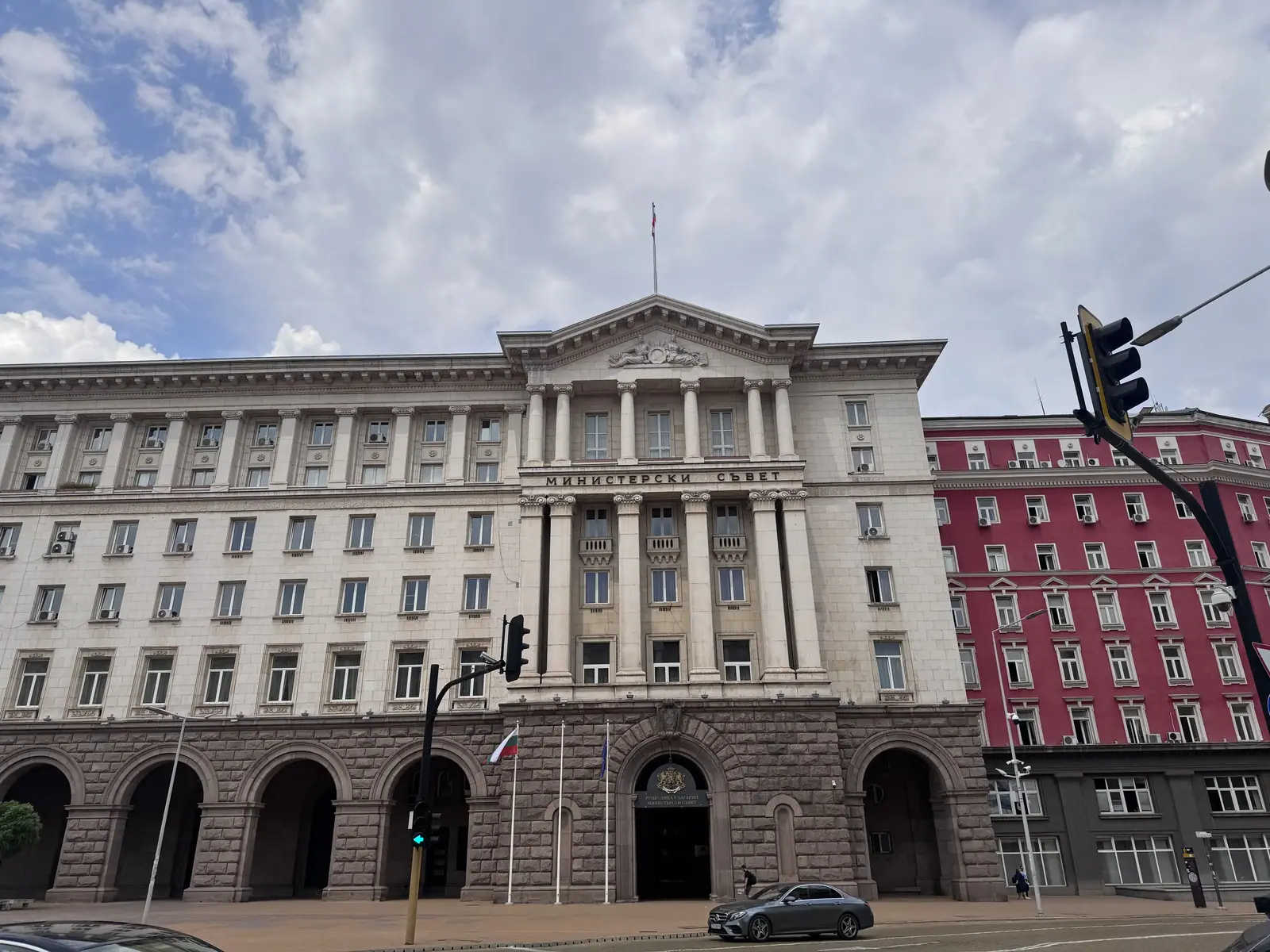
Bulgaria's parliament today gave final approval, in a second reading, to changes to the law on weapons, ammunition, explosives and fireworks.
Fireworks will be banned in built-up areas during rest hours. The municipal council will set those hours by ordinance.
The interior ministry will create and run a single automated electronic register for all activities under the law. Production of weapons, ammunition, explosives and fireworks stays outside it. The register is an information fund under the Interior Ministry Act.
It will hold the identification data of firearms, their ammunition and explosives. For fireworks, it will record the category from the permits issued. For air guns, blank-firing guns and signal weapons, it will record the type, make, calibre and serial number.
MPs added a new requirement: the type of suppressors, or silencers, must be declared.
People who hold permits to acquire, store, carry and use firearms and ammunition will not have to submit documents when they change their permanent address.
Applicants will also have to submit fewer documents. In their place, they will give the number and date of the permit to use the sites. They can instead give a copy of a replacement document, if the Spatial Planning Act requires it, and name the body that issued it. Another option is a certificate of conformity showing that a mobile explosives production unit is fit for use, with its number and date.
Applicants will also no longer have to tell the economy ministry, in writing or electronically, about changes in their commercial registration.
Anyone who wants to make explosives, weapons, ammunition and fireworks must have their own or rented mobile explosives production units, known as transport installations. These must be designed for charging and production directly in a blast borehole and/or blast hole. They must also have a certificate of conformity that confirms they are fit for use.




Comments (1)
Общините да определят ли? Абе, как винаги общините...