
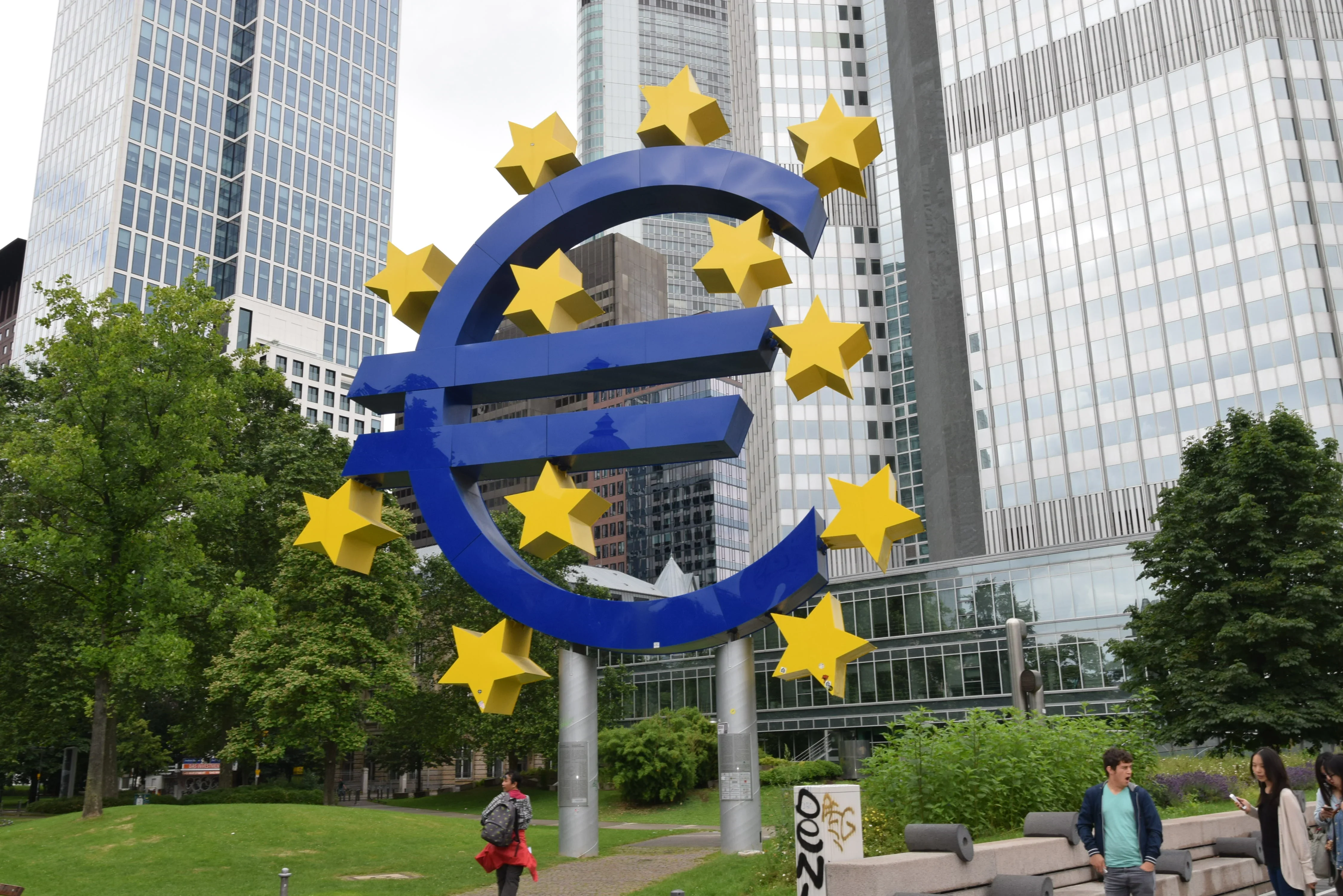
The European Central Bank (ECB) plans to introduce a digital euro, which will be a “digital version of cash”, combining the advantages of physical money with the possibilities of the digital environment, said Piero Cipollone, a member of the ECB's Executive Board, in an interview with the Cyprus News Agency.
Benefits for citizens:
- Simplicity: A single means of payment for payments anywhere in the EU, online and offline.
- Accessibility: Guaranteeing the preservation of citizens' freedom to pay with money issued by the central bank, including in the absence of internet or electricity.
Benefits for businesses:
- Cost reduction: Especially useful for small and medium-sized enterprises by reducing fees for payment schemes.
- Competition: Strengthening competition in the market.
Strategic importance for the EU:
- Autonomy: Reducing dependence on external providers for processing card payments (70% of which are currently processed by non-European companies).
Implementation process:
- Legislation: The European Parliament is expected to adopt its position in May 2026, followed by inter-institutional negotiations.
- Technical preparation: The ECB and the Eurosystem are working on the technical preparation.
- Deadline: Introduction by mid-2029, if a legal framework is adopted.
- Pilot project: Planned launch of a pilot project with limited payments in 2027.
Protection and regulation:
- Limits: There will be limits on holdings.
- Personal data protection: For online payments, the ECB will not have information about the identity of payers and recipients.
- Mechanism: Payments will be made through a mechanism in which funds are transferred from the bank account to the digital wallet at the time of payment.
- Restrictions: Only natural persons will be able to hold digital euros, not merchants.
- Financial stability: ECB analyses show that even with higher limits, no risks to financial stability are expected.
Impact on the euro and inflation:
- Assessment: The ECB will assess the effect of the appreciation of the euro on consumer price dynamics within its quarterly macroeconomic forecasts.
- Exchange rate: The exchange rate is taken into account as one of the elements in the preparation of inflation forecasts, but the ECB does not have a specific target for the exchange rate of the single currency.


Comments (13)
абе, чакай малко... цифрово евро, значи ли, че като ми откраднат телефона, ще ми крадат и парите? 😅 дано поне не стане като с руските хакери да ни тормоз
Абе, пичове, вие ли сте се хванали за тази история с дигиталното евро? 🙄 Да, хубаво звучи – "иновации", "кон 😁
абе, хора... четох коментарите долу и се замислих. тая работа с дигиталното евро... не знам, ама нещо ме е хванало едно такова задумчиво настроение.
Евала на ЕЦБ! Браво, браво! Цифрово евро?! Абе, тоя Чиполоне що не ни каже дали ще може да си купя хляб с него, бе? 🤣 Шегувам се, разбира се! Но наистина е яко, че сме
Абе, пичове, харесва ми посоката! Дигитално евро, ама да не стане като с онзи "е-здраве" дето все още не го хванаха как работи, а? 😉 Сериозно обаче, ако наистина улесни живота на бизнеса и хората – супер. Важно е да видим дали ще има контрол над транзакциите, че то без тая работа с личните данни... ама нейсе. Все