
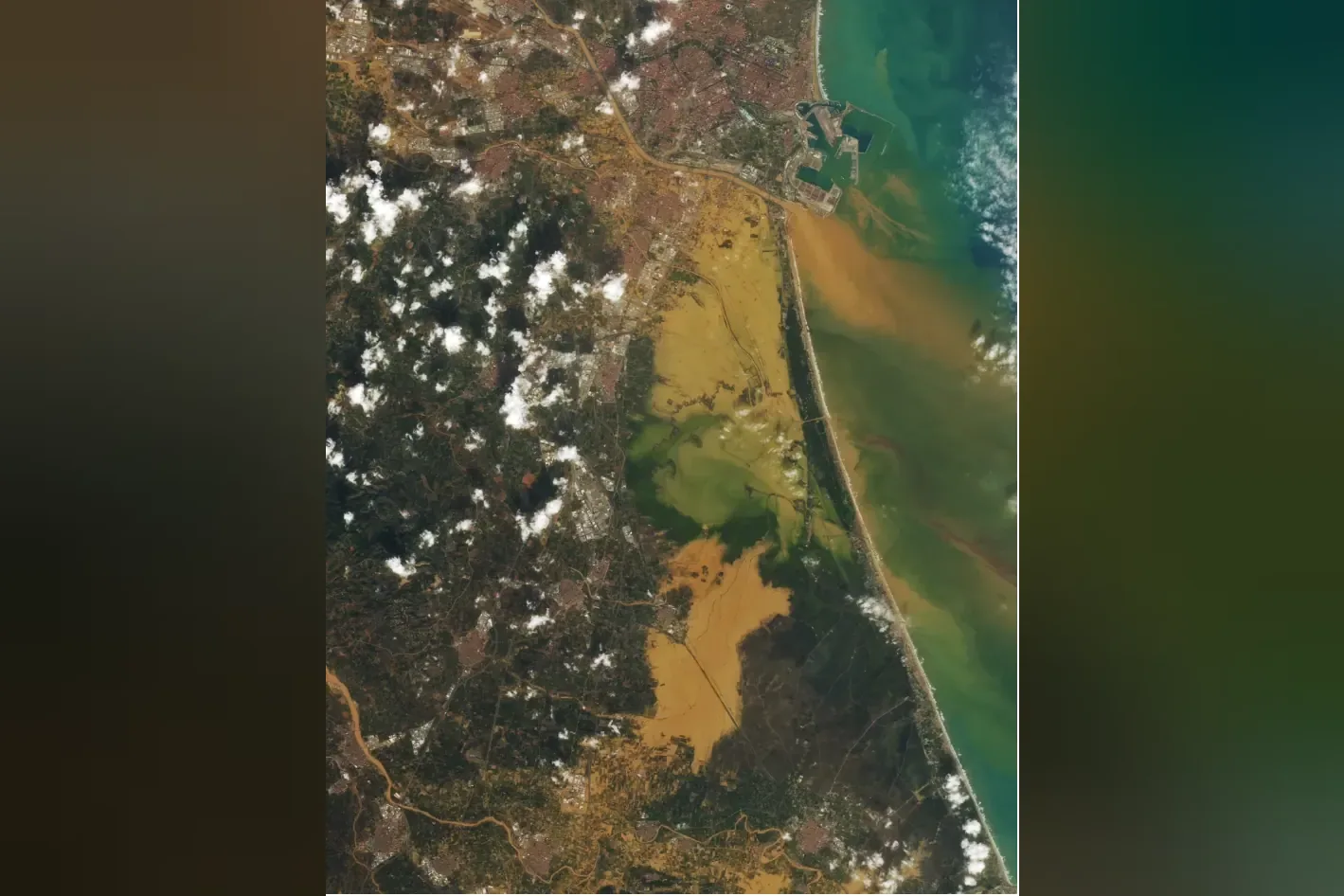
Four people have died in floods in eastern Spain caused by a cut-off low called Adam. The worst day was Monday, 19 October, when historic downpours hit Valencia, Alicante and the Balearic Islands and the authorities declared a maximum emergency.
On Monday the storm trapped many people and brought daily life in the Levante region to a halt. More than 2,100 people were evacuated.
The first two victims were women who died over the weekend, one in Barcelona and the other in Sagunto, in Valencia. The storm then moved south and brought exceptional rain to the southern coast of Valencia and the northern coast of Alicante.
Two more people died on Monday in Oliva, one of the worst-hit towns in Valencia. A man died at a campsite. A woman with limited mobility, who lived alone on the ground floor, was found dead at home. Unofficial reports say she was 79.
In places along the southern coast of Valencia and the northern coast of Alicante, more than 600 and 700 litres per square metre fell. L'Atzúbia, in Alicante, has recorded 713 litres so far. In Pego, 632 litres per square metre fell in 36 hours, 430 of them in just six hours.
The weather agency Aemet rated the event in the La Safor and Marina Alta areas as an extreme risk. It says the only comparable case there was on 3 November 1987, when 817 litres per square metre fell in Oliva, a national record to this day. In 2024, during another DANA, Turís recorded 772 litres. The current event is the third most intense since records began in Spain.
On Monday the Valencian regional government, the Generalitat, ordered residents of 145 towns in Valencia and Alicante to stay at home. The order was in force for much of the morning and affected hundreds of thousands of people. Unofficial reports put the number at more than 800,000. It was lifted everywhere in the afternoon.
Pilar Bernabé, the central government's delegate in the Valencian Community, said 450 people have been rescued so far. The Civil Guard pulled out 226 by air and on land, the Military Emergencies Unit (UME) more than 200, and the National Police 25.
Rescuers worked in very hard conditions, with roads blocked and covered in water. In Oliva, the authorities sent in the UME's Third Intervention Battalion, which evacuated elderly and vulnerable people trapped in their homes.
In Pego, residents waited on rooftops near the Pego-Oliva marsh for a helicopter to lift them off, mayor Enrique Mol said. Heavy fire engines got stuck in the flooded approaches to these areas. Soldiers, police and emergency services took part in the rescue.
Emergency services in the Valencian Community received nearly 800 calls about incidents. The Girona and Verniza rivers and the Beniopa ravine overflowed, and water struggled to drain into the sea because of the strong storm there. After the stay-at-home order was lifted, the UME pulled its teams out of some areas. Homes at risk from the swollen Beniopa ravine had been evacuated in advance.
At the Generalitat's request, the Red Cross and the town hall opened a temporary shelter with 40 places at the Raval Sports Centre in Gandia. In Oliva, evacuated and rescued residents are staying in the multi-purpose centre.
The Red Cross handed out food and basic supplies to drivers who were stuck and whom the Civil Guard had redirected to the La Safor service area. More than 100 people evacuated from the El Naranjal campsite in Xàbia are in municipal buildings.
More than 102,000 pupils in the Valencian Community did not go to school on Monday. Schools were shut in 25 towns in Alicante, 42 in Valencia and parts of Valencia city. Classes also stopped in Mallorca, Ibiza and Formentera, where they are expected to resume on Tuesday.
In Ibiza, water flooded the road to the airport. In the Balearic Islands, day centre services and non-urgent medical appointments were cancelled. In Gandia, the city bus stopped running, and more than 20 roads remain closed. The traffic authority, the DGT, cancelled driving tests in El Saler and Alzira.
In Valencia and the Balearic Islands the rain is easing, and alerts have been lowered to orange and yellow. The authorities urge maximum caution.
The bad weather is moving towards Catalonia. After a red alert in Levante in the morning, Aemet issued an orange alert for the afternoon for very heavy, prolonged rain in Barcelona, Girona and Tarragona. Prime minister Pedro Sánchez and Catalan president Salvador Illa called on people to follow the restrictions and advice from official channels.
Sánchez is visiting the forward command post in Oliva today, Tuesday, where he will meet the heads of the rescue and coordination teams and the mayors of the affected towns. With him are third deputy prime minister and minister for the ecological transition and the demographic challenge Sara Aagesen, interior minister Fernando Grande-Marlaska, Generalitat president Juanfran Pérez Llorca and Pilar Bernabé.


Comments (0)
No comments yet.