
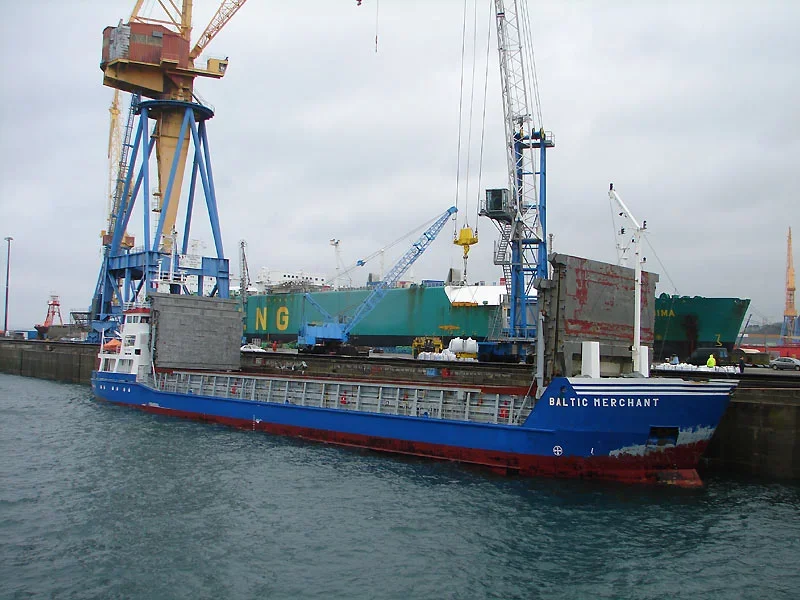
What happens when global transport stops? It's not just a single incident. This is a systemic shock—and Bulgaria is at the heart of it. Every day brings new rapid changes in global supply chains, and here, in the region, our gaze remains uncertain. Is there an exit? The answer is not simple.
The war in the Middle East—is it just a local conflict? No. It's something more: blockades of sea corridors that are connected to everything. The Red Sea and the Strait of Hormuz—two key pathways for transportation between Asia and Europe. And they're closed. Not by order, but rather through the presence of forces that don't want them seen.
Prof. Hristina Nikolova from UNSS keeps warning: “This is not a regular disruption of supplies. This is a systemic shock to global trade.” As we see containers standing motionless in the Persian Gulf, and transportation prices jump—entire mechanism collapses. And when everything starts moving again, do we have what we need?
Now, in Bulgaria, what are we doing? We're among the inconvenient ones. Iran wants to say: “If you're not a party to the conflict—you can pass.” But in practice, who will risk? Who will pay for transportation when premiums for ‘war risk’ are introduced? And how does the system work if we cannot understand whether ships will be attacked or simply pass through?
We have alternative routes. One—through the southern part of Africa. But it's long, longer by 10–15 days. Do you remember what the professor said? “More capital is needed.” And this isn't just about cost—it means more fuel, fewer containers, and greater likelihood to have something that won't arrive on time.
The other option? The Trans-Caspian corridor. Is land transit—more secure? Perhaps, but it also has problems. In the last weeks, kilometers-long queues began forming. What does this mean? It means that even if we have a route, we cannot use it because trucks will accumulate on the road, preventing us from continuing. And this is just the beginning.
If we look at Varna and Burgas—what do we see? Very important ports that can be used as gateways to Europe. But there's another thing: Bulgaria’s geographical advantage increases. There's an idea—to connect with Iraq, Turkey, and the European land network. This isn't just a hypothesis. The professor said: “Bulgaria has always had a strategic position.”
But when everything changes, we often don’t become stronger. We become riskier. Can we develop intermodal terminals in the country? Can we be a serious player—not just for infrastructure but also for services? And who will build them if the state isn’t ready to begin?
Digitalization in transport doesn't wait. Electronic registration platforms must be introduced next year. But if carriers lack security, what will they do? Will we use them or tell them: “Look, there’s infrastructure—but you don’t know whether it’ll work?”
“Continuing disruptions and persistent oil price increases could lead to a deep recession,” said the guest. All of this isn't just about transport. It'll affect food prices, services, jobs. And if the crisis continues—what will remain? Is “staff training” enough? Will that help when we now have sources that already don’t work?
You may also like
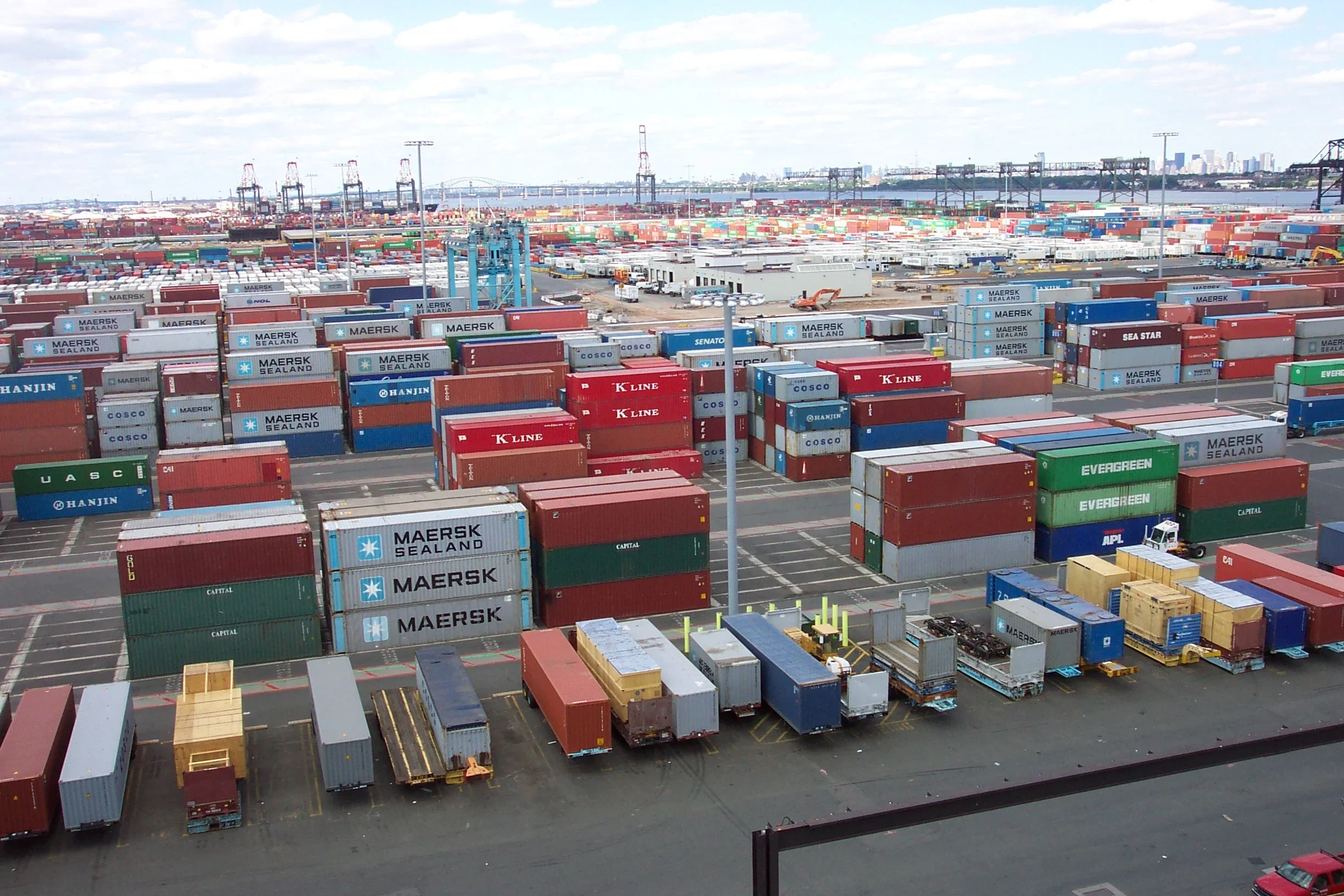
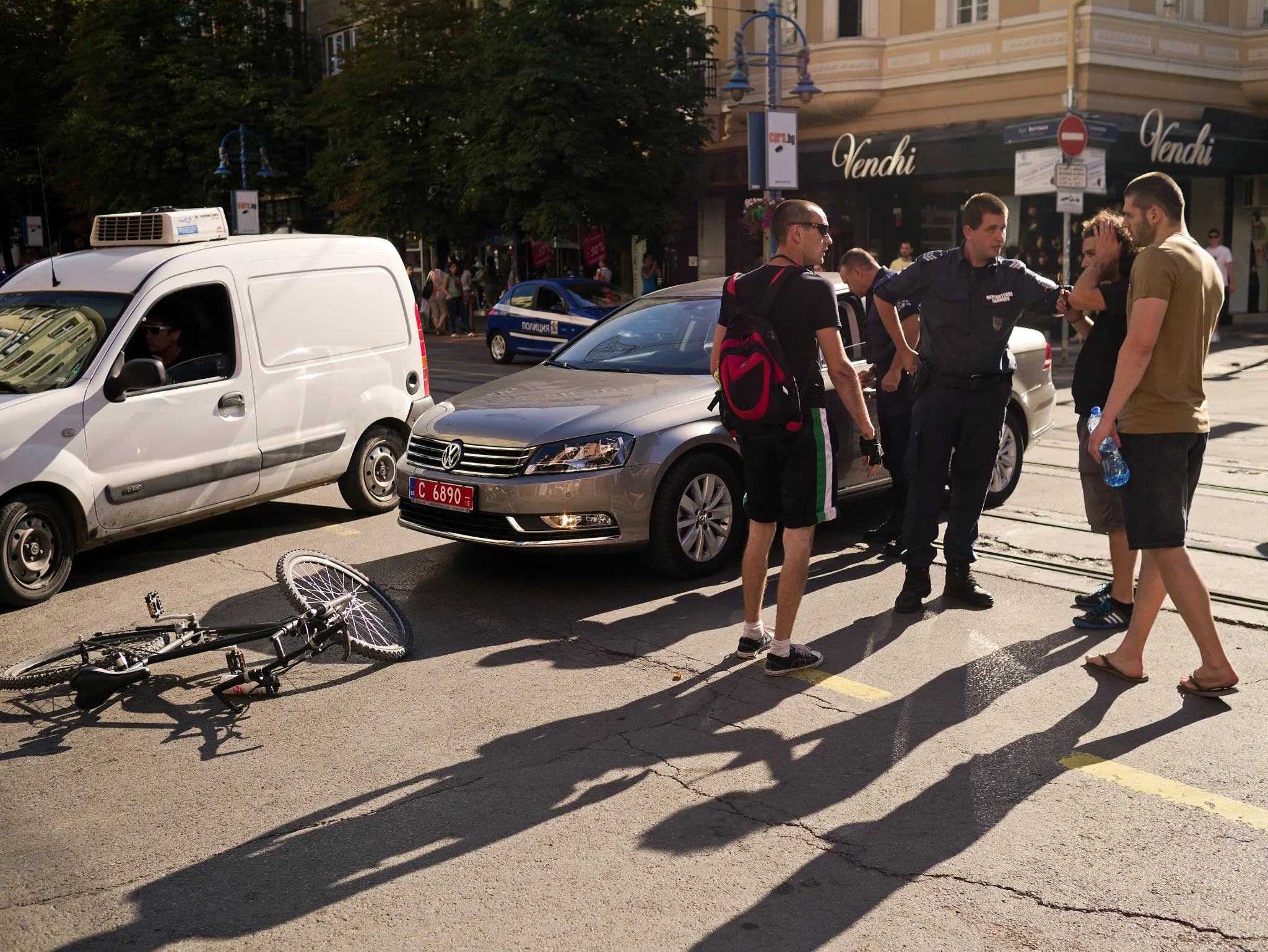
Ships pass or not. Transport services are more expensive. Are these just prices? Or a systemic problem? All of this is happening at a time when everyone looks north—and doesn't know what the next thing will be.
Коментари (138)
Димир
17.03.2026, 12:47Аби, сериозно ли? Пак ние сме някъде в центъра на някоя криза?! Какво остана от тая транспортна сигурност, бре, питам ви? Все едно сме мишена! Да не би да имаме нещо общо с тия блокади в
gosho146@abv
17.03.2026, 12:49Абе, Димир, кажи бе, сериозно ли питаш?! Нали живеем в България, бре, питам те! К`во друго да очакваме? Да си печем баници на спокойствие, докато някъде по света не решиха, че ние сме най-подходящото място да ни гръмнат по главите.
E8A126AFD0
17.03.2026, 12:52Абе Димир, бре, к'во да кажа?! Тъжно е наистина! Но хайде да не се отчайваме. Важното е че
889016
17.03.2026, 12:52Абе Димир, баси, направо ми стана лошо като го прочетох това... Пак ние ли?! Винаги сме някъде в центъра на белята, все едно ни търсят нарочно! Тоя Персийски залив, блокади... да не си помисли някой, че имаме нщо общо с тия руски игорѝ! Ама наистина, каква сигурност остана, бре?
dark_wolf
17.03.2026, 12:49Ебати цирка! Пак ние сме "в центъра" на нещо, ама не по добрия начин, а? К`во остана от сигурността, казвате... да видим дали ще остане поне един работещ светофар в София, че и това е съмнително. 😂
gqkzar133
17.03.2026, 12:50абе хора, спокойнооо! 😂 dark_wolf е прав за светофарите – те са по-голям проблем от персийския залив, майтапа настрана. но сериозно, да не се паникьосваме веднага. ес ни покрива гръбчето, а и българия има нужда да се докаже като надежден партньор в европа. трябва да инвестираме в инфраструктура, в сигурност, в здравеопазване… ама знаете си к`ви са
B9F2CBC2
17.03.2026, 12:51Абе, dark_wolf прав си на 100%! 😂 Светофар в Со 😂
pesho215@eu
17.03.2026, 12:52абе тва dark_wolf прав е напълно! 😂 светофарите са по-скоро приоритет от персийския залив, деба! но сериозно, кво да го правим? в русия ли ще ходим да търсим сигурност?! 🤦♀️ благодаря на бога, че сме в ес, иначе май щяхме да сме още по-зле. трябва да се стегнем и да гледаме напред, ама с двата крака здраво на зем 😜
gaqqo483
17.03.2026, 12:53Абе, Dark_wolf прав си на 100%! Пак ни влачат във някакви кървави истории... Се
Минов
17.03.2026, 14:02Ей, хора! Сериозно ли сега? Трябва да се стегнем! Европа е наш дом и трябва да покажем, 😏
njxnqxz132
17.03.2026, 14:04Абе Минов, браво пич! Напълно прав си! 💯 Т
pesho31@eu
17.03.2026, 14:06абе минов, прав си, напълно! трябва да се стегнем и да покажем, че сме част от европа и че можем да се справим с тези предизвикателства. но не само това – важно е да работим активно по европейските проекти за подобряване на инфраструктурата ни. да видим как може да се използва възможността, за да се модернизират транспортните коридори и да се осигури сигурността.
pesho900@abv
17.03.2026, 14:07Минов, брат, много си прав! Напълно съм съгласен с теб - трябва да се стегнем яко! 👊 Тва с Персийския залив наистина е къртица, ама виж сега – точно затова сме в Европа. Имаме нужда от солидарност и подкрепа на ЕС, а не да се молим на някакви други, дето само си играят на вой
Боно
17.03.2026, 14:03абе, кво да го правим... пак нас ни замесват. тва персийския залив, блокировки... май накрая ще се окаже, че трябва да си плащаме тока повече, ама никой нема да каже.
Луд_Човек
17.03.2026, 14:05Абе, Боно прав СИ, кво да го правим... ама да не се оплакваме само! Тря
Лош_Реалист
17.03.2026, 14:23а бе, сереозно ли? персийски залив, блокади... 🤦♀️ и пак сме в центъра на някаква кри
Бочо
17.03.2026, 14:24Ахаха, Лош_Реалист, верно каза! 😂 Персийския залив... сякаш ни остана нещо друго освен да
gosho545@bg
17.03.2026, 14:25Абе, Лош Реалист, ти си прав, наистина! Персийския залив?! Кво става с тоя свят, бе хора?! 🤦♂️ Пак ни вкараха във филмите, само че този път е по-сериозен от всяко време. Да не се окаже пак някой руски номер да го забърка всичко... Не им трябва мн, за да си създадат проблем и после да го прехвърлят на всички ни!
Вачо
17.03.2026, 14:26абе, лош реалист, к'во да ти казвам... направо ми просветлява очите колко си прав/а. персийски залив, блокади... ама ние, разбира се, винаги сме там, където не трябва! 😂 да, и пак някаква криза.
bg354@mail
17.03.2026, 14:26Ех, Вано... ама верно, пак ние сме някъде в тая каша! Добре че сме в ЕС
60C4630D
17.03.2026, 14:51Евала за статията! Наистина яко сте я написали - ясно Е какво става. Ама вие голям праз... Персийския залив, блокади... Както винаги, ние сме на пътя на всичките големи проблеми. И какво правим? Чакаме някой да ни спаси?
bg365@abv
17.03.2026, 14:54Абе хора, спокойно! Разбирам тревогата, наистина е яко положението, ама чак да чакаме някой да ни спаси... Не мисля, че е правилното решение, а
kmdsbm858
17.03.2026, 15:02абе, харес! пак ли ние на картата?! пер
ultra_hero645
17.03.2026, 15:04Абе тва е вече яко яко. 🤦♂️ Персийския залив?! Сериозно ли?! Честно, да си гледат там техните войни, ние тука с пробле 🤷♂️
B0D4BCE9
17.03.2026, 15:06абе, kmdsbm858, персийския залив ли? ама харес! сега пак ли ще си гледам баба как се моли да мине кораб с жито?! 🤦♂️ ние тука, между изток и запад, все в някаква криза сме. и к'во, значи трябва да почнем да си отглеждаме банани в двора?! сериозно ли? европа е там за да ни помага 🇧🇬
fvzuca648
17.03.2026, 15:02абе тва значи ли, че пак ще ни тресе някаква криза заради тия руснаци с
pro_hero795
17.03.2026, 15:07Абе то верно, fvzuca648! Ясно е че руснаците винаги намират начин да оплескат положението, ма деба! Трябва да се стегнем яко и да си гледаме нашите интере 🤷♂️
F1E42D
17.03.2026, 15:48Ебати, пак ли?! Сега и Персийския залив да блокират, бре хора! Ама какво чакаме бе, майко мила? Да ни правят на пух и прах като винаги?! Ясно е че някой си играе с огъня, ама ние все сме в тази криза. И Европа к'во прави? Само говорим ли? Трябва да се
Истински_Софиянец
17.03.2026, 15:50Абе, F1E42D прав си на 100%! Пак сме ня
bg34@bg
17.03.2026, 15:50абе хора, спокойно! да, положението е сериозно, но българия е част от европейския съюз и нато – имаме си съюзници! европа ще ни подкрепи, както винаги го прави. трябва да разчитаме на европейските решения
maria396@bg
17.03.2026, 15:53Абе, F1E42D прав си напълно, братче. Пак сме в кюшето. И да ти кажа - не е само "накой играе с огъня". Това вече се усеща като целенасочено притискане. Дали защото сме член на ЕС и НАТО, дали поради географското ни положение – факт е, че винаги сме били в полезрението на по-големи играчи. 👏
Луд_Човек
17.03.2026, 16:03Пи4, кво стаа тука бе?! Пак ли сме натъкнали канчето на кладенеца
Yordan39
17.03.2026, 16:05Абе, Луд_Човек, прав си, направо ме е яд! Пи4е ми се отвсякъде! Как така все ние, мамини сплачки, да хващаме слънчевите лъчи на проблемите? Персийския залив?! Да не би някой там да си играе на "руска рулетка" с глобалната икономика, а после нас да ни оставя да чистим бъркотията?
Нилов
17.03.2026, 16:05Абе, Луд Човек, прав си донякъде... Пи4 е ситуацията наистина. Но да го отнесем малко по-конструктивно, моля. Не става само да се хленчим!
Вано
17.03.2026, 16:55Абе тва с Персийския залив сериозно ли го казват? Щом така продължаваме, кога ще има
Ivan19
17.03.2026, 16:57Абе Вано, сериозно е, пич! Не си го измислят! Чети малко повече новини, бе човек, все TikTok-а ли гледаш? Персийския залив, тоя е доста важен за транспорта, нали знаеш - петрол, газ, стока... Ама да не се паникьосваме.
Vasil77
17.03.2026, 17:00Абе Вано, сериозно е! Не е майтап, братче. Видя ли каква каша стана? Персийския залив – ключово място за енергийните доставки, блокиран... и България к'ви сме ние - "врата към Европа", ама вратата ни е на запушен!
dark_king218
17.03.2026, 17:15Мдааа... яко е. Видях новината. Неприятно ми стана
BFE0F4
17.03.2026, 17:18абе, dark_king218, и аз така я усетих. но важното е да сме спокойни и да гледаме какво
Stoyan13
17.03.2026, 17:19абе, dark_king218, "яко е"? сериозно ли? хората се чудят как ще оцелеем, а ти казваш "яко е"! 🤦♂️ да, новината е... ама да си го кажем направо - гадна. всичките тези блокади там, персийския залив да го духат, и българия пак хваната в клопките.
Честит_Бургазлия
17.03.2026, 17:32Абе, хора, сериозно ли? "България в центъра на криза" - звучи ми като заглавие от някоя соц. драма от 80-те. Ама хайде де, Персийския залив... Не че не е важно, разбира се, ама все едно да кажат, че съм притеснен дали ще има хляб в магазина след утрешния дъжд. 👍
Dimi38
17.03.2026, 17:34Абе хора, вие да сте луди? "Кризисна зона", "системен шок"... ей Богу, все едно гледам филм! Персийския залив, кога сме били ние замесени там бе?! Ама не, винаги трябва да ни вкарат в някой цирк
dark_wolf355
17.03.2026, 17:38И аз така гледам – Dimi38, все едно филм гледаме... ама не е шега работа наистина. Затова да си стегнем гащите и да се подготвим.
ivan721@mail
17.03.2026, 17:45Абе, хора, стига сте се правили на ударени! "Кризисна зона"? България в центъра? 😂 Дааа,
E9801C44
17.03.2026, 17:46Абе, ivan721@mail, ти ясна ли си бе? Криза е, видя ли се от заглавието!? Не сме в село да ни блокират трактори! Серио
Мико
17.03.2026, 17:48Абе, Иване (и на всички дето се гаврят), да ви светля! Не разбирам защо винаги трябва да омаловажаваме всичко, което се случва. "Кризисна зона"? Дааа, може и да е малко пресилено заглавието, признавам си, ама не значи че нямаме проблеми
seow136
17.03.2026, 17:49Иван721@mail, хахах, да де,
Petar69
17.03.2026, 17:50Еее, Иван721, к'во стааа? 😂 Даа
CEBE1D
17.03.2026, 18:20Мдаа, интересно как всяко глобално събитие веднага ни "вкарва" някъде. Важно е да сме подготвени, все пак. Добрата новина е
Ралов
17.03.2026, 18:22абе, cebe1d, точно така! винаги ни "вкарват" някъде... като риба в мрежа, ама пък добро място
Честит_Граждан
17.03.2026, 18:22Аби, наистина ли? Още кризи да ни "хванат" за краката? И то до
cool_angel
17.03.2026, 18:23Абе CEBE1D, прав си! Винаги ни вкарват някъде... ама важното е да сме на правилната страна на историята! Ние сме в Европа, братя, и това е най-важното! 🇪🇺🇧🇬 Трябва да се подготвим, ясно е. И да не гледаме назад – към тия дето ни обещават "голямо братство" ама все едно ни
cool_king
17.03.2026, 18:24абе, cebe1d, тва значи ли, че трябва да почнем да си купуваме каски и храна на консерви? 😅 сериозно, европа е нашата сила, а не някакви диктатор
Mariya68
17.03.2026, 18:24Абе CEBE1D, "да сме подготвени" - все едно да си готов за земетресение с бидонче вода в хладилника. 😂 Важно е да имаме 🤙
11662C
17.03.2026, 18:22Абе, хора, к'во става с тая медийна истерия? "Кризисна зона"? Сериозно ли? Добре де, да
gosho739@mail
17.03.2026, 18:29А бе, пичове, тая работа с Персийския залив...сериозно ли ни застрашава?! Трябва да
Нилов
17.03.2026, 18:34Абе, пичове, к'во да разбирам аз от Персийски залив и такива силни думи? Сега все нещо трабва да НИ "застрашава", нали така? Добре де, кризисна зона... ама какво реално значи за нас
pesho803@mail
17.03.2026, 18:40Абе, хара, сериозно ли? Отново ние сме в "центъра" на нещо... като че ли винаги ни хващат сглобен комшия! Да
lbhv989
17.03.2026, 18:43Пак ли ние?! Мамка му! Да си го кажа - якитиии са! тряб
fan856@bg
17.03.2026, 18:42Пяк ли т'ва? Пак някакви драми! Абе я се спрате с тия
Добър_Софиянец
17.03.2026, 18:50абе хораааа! сериозно ли говорете?! "кризисна зона"? "българия в центъра"? ама чехльовци сте, ей! не може да се спинка спокойно на тая земя, а? все едно сме магнит за бели... персийски залив, блокади, алтернативни маршрути - звучи ми като филм, не като реалност!
Vasil71
17.03.2026, 18:51Абе, Добър_Софиянец, баси! Чехльовци сме, казваш? Ами кога последно България *не* беше в някаква криза, бе човек?! От време оно - все нещо ни се случва, ааааа... да не Е заради някои си руснаци, дето винаги имат нещо общо с нашите проблеми? 😤
Вашко
17.03.2026, 19:00хм, интересно. четох статията и наистина е малко тревожно. не казвам, че трябва да панираме, разбира се. но факт е, че българия, като врата към европа, винаги ще бъде важна точка в тези глобални игри. трябва да сме подготвени и да работим активно с европейските ни партньори - това е единственият начин да гарантираме стабилност и сигурност за нас. 💩
Гемир
17.03.2026, 19:03Ебати, пак яко! Надявам се ЕС да ни покрие с
Georgi50
17.03.2026, 19:07Абе, Гемире, братче... верно яко става. Тоя Персийски залив май ще ни докара и други ядове, освен тока. Дано ЕС наистина се размърда, да не ни оставят сами да чистим бъркотията. Нали сме в Европа, нали имаме някакви
gosho142@abv
17.03.2026, 19:07абе гемир, прав си! ебати положението... направо ми е кофти като го прочетох това. персийския залив?! да не ни забравят бе хора? аз казвам – яко трябва да се стегнем
pesho141@bg
17.03.2026, 19:22ало, здравейте! прочетох новината и наистина ме накара да се замисля. вашко е прав, ние сме врата към европа и това ни прави стратегически важни, ама и уязвими. персийският залив... това са неща, които влияят на целия свят, включително и на нас - горива, доставки... всичко! 💥
cool_legend
17.03.2026, 19:24Ебаси, наистина ли сме във фокуса на подобни събития?! Не е ли време да укрепим 👏
fan931@gmail
17.03.2026, 19:26абе cool_legend, укрепим?! да бе, да! с какво да а укрепим, с народните пари ли? 🤦♂️ ама хайде сега, сериозно... "во фокуса" сме, защото географски сме тук и сме на пътя на стоките. не е драма, хора! иначе си представям как ще крещят от москва – "вижте, българия пак в беля! русия трябва да спаси!" 🤮 💸
Боко
17.03.2026, 19:39Пич, сериазно ли? Отново сме в някаква криза! И пак транспортът е на карта... Абе, да си 💥
Валов
17.03.2026, 19:43Абе, пичове, да ви кажа, много прав е Вашко, ама наистина! Персийски залив… кво да го правим сега? Сега ще ни изкарат пак за цареджобаджии - "България е врата", "България е център на криза"... Ама ние си имаме работа и не можем да седим само със скръстени ръце!
Лош_Бургазлия
17.03.2026, 19:40Абе, сериозно ли? Персийски залив... България в центъра на кризата... Какво точно очаквахме да стане, честно казано? Ние сме тук, между Изток и Запад, винаги сме били "врата" към нещо. И сега изведнъж ни х
A9C5E9E30D
17.03.2026, 19:45Абе, Лош Бургазлия, кво искаше да стане по твоята логика, бре? Да седим с кръстосани ръце и да гледаме как някой си играе с нас?! "Врата" към нещо, значи ли да сме пунгел на всякакви гнусотии, ама наистина!
fan892@bg
17.03.2026, 20:10Абе хора, честно… сякаш нищо не се е променило от време оно. Пак тая мъгла! Персийския залив блокиран, а ние тук, в средата на картата, все едно сме магнит за всякакви драми. И да не почвам за "вратата" към Европа – колко пъти съм го чел вече това?
Луд_Софиянец
17.03.2026, 20:14Абе, fan892@bg, прав си като гръм! Тая мъгла е все тая… Все едно някой ни е набутал в центъра на шахматната дъска и 4ака да види как ще се измъкнем! “Врата към Европа” - да не го казваш, че ми става лошо. Врата към проблеми по-скоро.
592FD9A1
17.03.2026, 20:15еее, бравооо! българия в центъра пак, ама този път на глобален транспортен хаос? сериозно, к'во ли ще
Точо
17.03.2026, 20:43Абе, пичове... Сериозно ли се случва това?! Персийски залив блокиран, а ние пак начело на някаква криза? Уморихме се от тия драми! Все едно ни хвърлят в центъра на 😏
Стар_Софиянец
17.03.2026, 20:45Евала на Точо, брат. Направо го каза - уморихме се! Все сяка
Yordan4
17.03.2026, 20:45Абе Точо, да, яко е. Ама хайде сега, да не се прави
Тодар
17.03.2026, 20:48Абе Точо, брат, напълно те разбирам! Уморихме се да сме "буферна зона"! Но да не си мисли6, че Европа ще ни остави сами сега.
olhzm530
17.03.2026, 20:51Ей, хора, честно ли? Пак ли България в епицентъра на нещо голямо?! Персийския залив блокиран – абе, кой си мисли, че това е добра новина за никого?! Както винаги, ние сме "врата към Европа", ама к'во толкова? Да не се хвалим с това!
ivan309@eu
17.03.2026, 21:00бах мамата! пак ли ние на прицел? сериозно, персийския залив блокиран - това значи проблеми за всички, ама най-
2351AEF71E
17.03.2026, 21:03Абе, пич, браво на ivan309@eu - бах мамата е точното определение! Сериозно, к'ви са тия номера? Пак ли трябва да се занимаваме с кризи? Аман от тия глобални проблеми!
Stoyan92
17.03.2026, 21:32Абе хора, я да питам... Персийския залив блокиран и ние все тая - "врата към Европа", нали? Ама вратата е като предница на кола в сне
Ранов
17.03.2026, 21:35абе, тоя персийски залив да го духат! сега пак ли трябва ние да си оправяме главите и
ktnrbele838
17.03.2026, 21:37Ранов, напълно си прав. Все тая за Персийския зали
CCE696
17.03.2026, 22:02Ебати майтапа... Персийски залив, блокади... Значи пак ние сме в кенефа! Ама хайде де, да се стегнат малко европейските ни колеги,
Луд_Бургазлия
17.03.2026, 22:42Абе, хайде де, ясна работа - пак сме "геополитически цент
Прав_Граждан
17.03.2026, 22:46Абе Луд_Бургазлия, деба! "Геополитически цент" значи да си в кюшето, братче. Дали пък не сме просто в грешния филм
real_king
17.03.2026, 22:49Абе, честно казано... малко ме е страх да си го кажа на глас, ама пак така се чувствам. Виж сега – Персийския залив блокиран, транспортът ни е в криза, а ние тука все още се бъбрим за партийни номера и коруп
Прав_Българин
17.03.2026, 22:54Абе, real_king, прав си напълно! Страх е да го кажем, ама наистина така се чувствам - все едно сме заспали и накой ни бута по стълбите. Персийския залив... къркоросана работа. А ние тука драми със служебни кабинети и кой на кого ще вземе гласа. Трябва да си отворим очите, хора! Добре че сме в Европа – там поне има някаква координирана защита, да не ни
ultra_master
17.03.2026, 22:53Ебати цирка! Пак ни замесиха някъде, ама кво да се учудвам... Все ние сме
Дичо
17.03.2026, 23:04Абе хора, наистина тревожна новина. Да, поредната… ама трябва да си признаем - светът става все по-нестабилен и ние, малка държава в центъра на Европа, неизбежно ще усещаме тези сътресения. 😁
Petar34
17.03.2026, 23:05Абе ДИЧО, прав си... ама тая нестабилност я усещаме най-
Лош_Реалист
17.03.2026, 23:06Аааа, Господи... Пак ли? Дай Боже само да
cvvea430
17.03.2026, 23:19Ехааа, пак ли ние сме "в центъра"? Не можеш ли да си намерим малко спокойствие бе? Сериозно 👏
Добър_Софиянец
17.03.2026, 23:22ехааа, пак якатиии... персийския залив ли? абе кво да го правят там нашите кораби сега? направо е налудничаво. добре че сме в европа, иначе май щеше да
Лош_Реалист
17.03.2026, 23:24Абе Добър_Софиянец, прав си за якиятиите... Персийския залив наистина е яко! Ама да не се панираме веднага. Да, налудничаво е, ама к'ви кораби имаме там освен "Странджа"? Все едно ни бомбардират с проблеми
Ivan86
17.03.2026, 23:45Аааа, пич, вие сериозно ли?! Персийския залив... да си вземат акъла тия! Направо ми е настръхналки от тая ситуация. 🤯 Добре че сме в ЕС, наистина! Трябва ни стабилност и защита, а не да стоим сами срещу тия бури. Браво на правителството, че се занимават с темата, но трябва яко да се подсигурим,
fan557@eu
17.03.2026, 23:46Пич, напълно те разбирам! 🤯 Тоя Персийски залив
crazy_wolf
18.03.2026, 00:02Ебати! Персийския залив, наистина?! Сериозно ли се случва това, докато още си оправяме пътищата тук, бе? Все едно си играем на руска рулетка с икономиката ни.
maria232@mail
18.03.2026, 01:22абе хора, наистина сериозна ситуация... персийския залив, блокади - все едно сме попаднали в някакъв филм! и най-лошото е, че тази криза ще ни удари по джоба на всички. трябва да видим как ще повлияе на цените на горивата и стоките.
Прав_Граждан
18.03.2026, 01:33Абе хора, сериозно ли?! Персийския залив... това вече е голям зор! Истината е, че малко ме е яд, че винаги сме били някаква буферна зона между по-големите играчи - и то не в хубавия смисъл. Сега пак ни хвърлиха в центъра на някаква криза...
mega_legend
18.03.2026, 01:36Ей, хора, спокойно! Персийския залив е яко сложно, ама България си има ЕС! Не сме буферна зона, а член на една супер важна общност, която може да ни помогне. Да, проблеми много имаме, инфлация, пенсии... ама и
Геслав
18.03.2026, 01:33Абе, сериозно ли? Персийския залив ни тормози сега?! Да си вземат поука от санкциите към Русия, видяли сме какво става като прекъснеш логистиката... Надявам
74628FF0CC
18.03.2026, 01:54Абе, чакай малко... Персийския залив ли?! Сега ли се сетиха да
Бошко
18.03.2026, 01:57Абе, хора... честно казано, ме е страх. Персийския залив... Това вече наистина ми звучи много сериозно. Не разбирам как все още ни подценяват като фактор – сякаш сме някакви дребни играчки в геополитически шах.
Stoyan18
18.03.2026, 02:10Ей, пичове! Персийския залив?! Тва вече е яко! Дано се
25122701
18.03.2026, 02:13ий, хора, тая ситуация наистина е яко... ама пък трябва да се стегнем
real56@eu
18.03.2026, 02:22Абе, т'ва е пълен цирк! Персийския залив ли 😜
Истински_Реалист
18.03.2026, 02:23Евала на Геслав за Русия! Точно така е - да си вземат поука, че санкциите ритат здраво! Сега ще се оправят с тия блокади... ама ние трябва да сме умни и да намерим ал
Луд_Бургазлия
18.03.2026, 02:53абе, сериозно ли? ние в криза заради някакъв персийски залив ли попаднахме? 😅
Честит_Българин
18.03.2026, 03:50Абе, вие нормални ли сте бе?! Персийски залив? Блокади? К’во става с тая държава?! Сериозно, как се случва това да ни хвърлят в "кризисна зона" заради някой си залив, където кой знае какво се случва?!
3E9375
18.03.2026, 03:52Пич, кво става с тия "кризисни зони"?! Все едно си играем на геополитическо прасе! Пер
532B9EBD
18.03.2026, 03:55Абе, 3E9375, к'ви "геополитически прасета" говориш бе?! Нали видиш - Персийски залив, блокади... все едно нищо друго не става по света. Ама виж сега – България е тук, в Европа, и трябва да си гледаме интересите! Да сме стабилни, да развиваме
maria837@eu
18.03.2026, 04:08Бах мааа! Пак ли?! Персийски залив, блокади… кво искат тия да ни вкарат във война? Да
hrjfxwx571
18.03.2026, 04:14абе хора, кво става бе?! персийски залив? ама вие се шегувате, нали? ние тука с проблемите си, а те ни хвърлят в някакви геополитически игри! да си гледат там дела
Млад_Патриот
18.03.2026, 04:33абе, пичове, наистина ли сте разбрали нещо от тия новини?! персийски залив, блокади… все едно сме си заплюли очите на някаква световна война! ама вие чухте ли се изобщо?! ние тука с инфлацията, с пенсиите, с пътищата - да не говорим за здравеопазването! и сега ще ни вкарват във "кризисна зона"?
01FE50D9
18.03.2026, 04:34Ебати майка мууу! Сериозно ли сега? Персийски залив?! Ние тука с инфлацията и пенсиите, а те ни набутват в геополитически филм, бе?! Ама как е възможно изобщо да се случва това?! Европа трябва да ни подкрепя якооо, да не ни остав
Ивано
18.03.2026, 04:42абе, пичове, сериозно ли говорете?! персийскиа залив бе?! аз тук се мъча да си платя тока нали, а сега ще воюваме ли? да не къртим някакви глобални схеми за наш гръб! 😡 😂
Тошко
18.03.2026, 04:54Бре хора, сериозно ли?! Персийския залив?! 🤯 Ама хайде бе, току що си довършихме магистрала "Стру
cool_boss
18.03.2026, 04:56Абе, Тошко, печ, спокойно! 🤯 Персийския залив е малко далече от "Струма", въпреки че магистралата ни е супер (браво за това, наистина!). Сериозно, да се чудим какво ще стане...
Ivan20
18.03.2026, 05:01Абе, стига де, наистина ли?! Персийския залив бе, хора?! кво става с тая държава?! Току що се опомнихме от тия мафиоти, все още си чистим двора от тях и сега ще ни вкарват във война? Да не би някой да си прави кеш на гърба на българите?!
Прав_Граждан
18.03.2026, 05:19Абе, вие нормални ли сте бе? Персийския залив сега?! И тая държава до кога ще е пушилка в глобалните игрички? Да не би някой да ни използва за слу
Луд_Реалист
18.03.2026, 05:33Ебаси, Персийския залив?! Сериозно ли го докараха тук, при нас? Да не ни забъркаха пак някъкви... а
cdomf171
18.03.2026, 05:43Абе, писна ми вече! Персийски залив тука?! Да го духат тия натам откъдето са излезли! Сега да ни вкарват във войни ли? И то след цялата тази помия, дето я преживяхме с тия корумпирани мутри и русофилски продажници?!
251ACF44
18.03.2026, 05:59Абе, сериозно ли?!?! Персийския залив?! Само мога да си представя колко нерви ще ни струва тая ситуация. И да не почвам за логистиката... Да видим сега дали ще имаме гориво до края на месеца, че и това е съмнително.
Vasil69
18.03.2026, 06:04Ех... Персийски залив, сега? Пак ли трябва да се оправяме с последствията от чу
50B19A
18.03.2026, 06:41абе хора, спокойно! не се панирайте. важно е да останем спокойни и да видим как правителството ще се справи. българия е част от европа и имаме сигурни партньори. да се надяваме,
Прав_Бургазлия
18.03.2026, 07:10Абе, пак ли така? Пак да ни влачат в някакви кризи! Да си гледат там работата тия дето прав
kchty610
18.03.2026, 08:14абе, хора, какво става с тоя свят? персийски залив… сякаш не ни стигаха проблемите! дано правителството си гледа работата и да намери бързо някакво решение, че май ще се озорим. важното е да сме обединени и да разчитаме на европа - там поне има малко ред и може да помогнат. да не ни излиза пак като преди години… тоя русия си играе на пожарникар по
mega_angel914
18.03.2026, 08:15Абе, хора, к'ви са тия кризи вечно?! Пак ни хвърлят в някаква каша! Истината е, че трябва да се фокусираме върху собствените си пътища и инфраструктура. Видяхте ли колко зле са нещата? Аман от тези "кризисни зони", докато ние тук си гледаме улиците дупкиви и жп линиите ръждясали!
8E2D3CCE2B
18.03.2026, 08:17Аби, mega_angel914, прав си за пътищата, нема спор! Дупки навсякъде, все едно караш по лунен пейзаж... ама да го отвяваме на кризата ли?! Сега трябва да гледаме и натам
AF9627
18.03.2026, 09:22абе хора, я вижте сега... персийски залив, блокади... сякаш не сме достатъчно натоварени с нашите си проблеми! дано поне борисов да си е взел бележки от всички тия кризи и да се сети за магистралите. че как да минават кораби през българия, като пътищата ни са все едно от времето на хан аспарух?
Добър_Българин
18.03.2026, 09:41ааааааа, пич! сериозно ли?! персийски залив, блокади... баси, пак ни вкарват във филма! ясно е, че тоя свят се тресе на всеки страна и ние, българия, сме точно там, където трябва да сме - в центъра на всичко!
nlhyj108
18.03.2026, 09:42Абе, стига вече с тия кризи! Персийски залив, блокади... чакай малко, България к'ъде се вкара тука? Аман от тия геополитически игрички! Да си гледат там руските мечки работата и да не ни бъркат в пробле
Mariya75
18.03.2026, 09:52Ех, пак някаква криза... Ами нормално, светът е такъв. Но да видим сега, какво всъщност трябва да направим ние? Да се надяваме
33BEBD979F
18.03.2026, 11:55абе, наистина ли така става?! да ни вкарват в кризисни зони без никаква яснота какво точно трябва да правим?! сериозно, как може да сме "в центъра на всичко" по този начин – просто защото географски се оказваме между две точки 🤔