
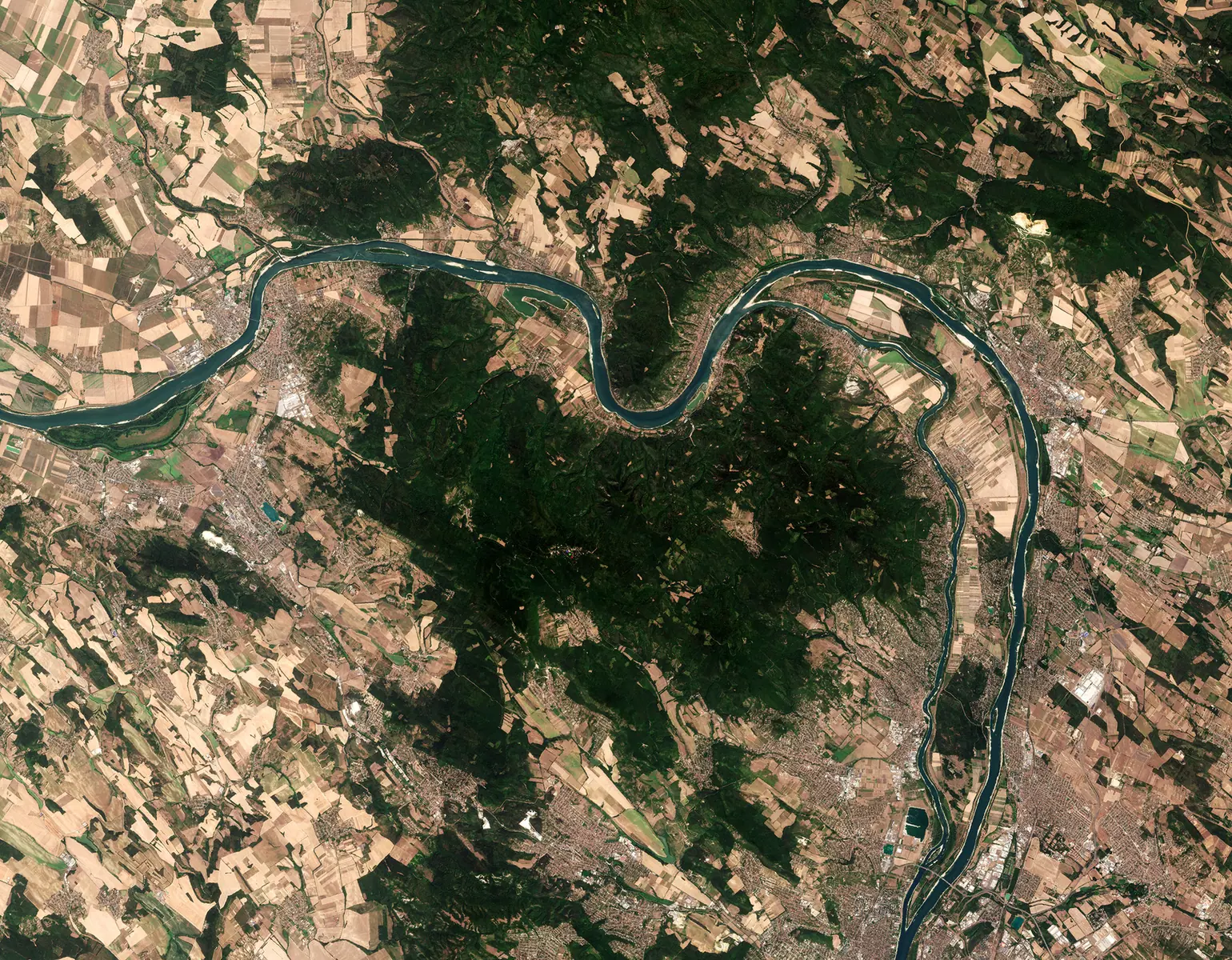
Bulgaria and Romania are starting a joint project to cut the risk of floods and droughts along the Danube and protect people from the effects of climate change, Bulgaria's Ministry of Environment and Water said.
The project, called "Preventing Risks along the Danube", costs 17.5m euros in total and will run for 33 months. The European Regional Development Fund is giving 80% of the money as a grant. The project was approved under the Interreg VI-A Romania-Bulgaria programme (2021-2027).
The two countries want to warn people earlier about dangerous natural events, prevent them where they can, and respond together when they happen. The money will pay for modern monitoring systems, technical equipment and nature-based solutions. The aim is to reduce risks for people, towns and villages, and businesses in the border area.
One of the main tasks is to upgrade the monitoring network of the National Institute of Meteorology and Hydrology (NIMH) in northern Bulgaria. The project will also build and equip a new data centre.
The ministry says the new network and centre will give a better basis for forecasts of dangerous events, for decisions and for planning protection. State and local authorities will be able to prepare and organise their response to danger better. People and businesses will get better information, including how to limit possible damage.
The project also includes pilot work. Floodplain river terraces will be restored on a trial basis, so that when rivers rise, the water can spread out and be held back naturally. The idea is for river areas to get back their natural functions. The ministry expects this to improve the state of the rivers and the nature around them, and to help manage water over the long term.
On the Bulgarian side, the ministry, the Danube Region Basin Directorate and NIMH are taking part. The Romanian partners are the Ministry of Environment, Waters and Forests, the National Administration "Romanian Waters", the Technical University of Civil Engineering in Bucharest and Alexandru Ioan Cuza University in Iași.
In late August, the ministry stepped up monitoring of the Danube's water because of low water levels, which lasted through the summer.

Comments (0)
No comments yet.