
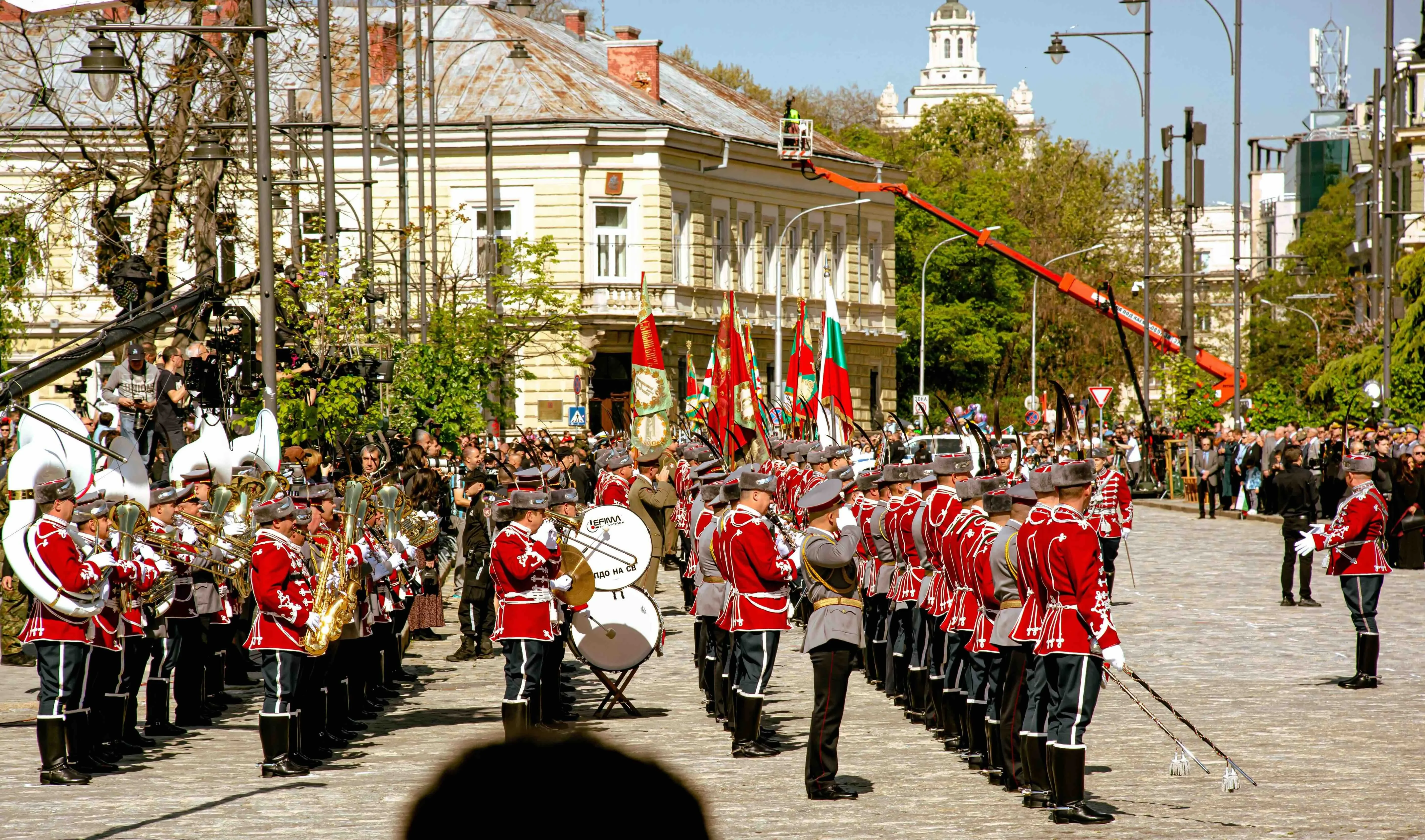
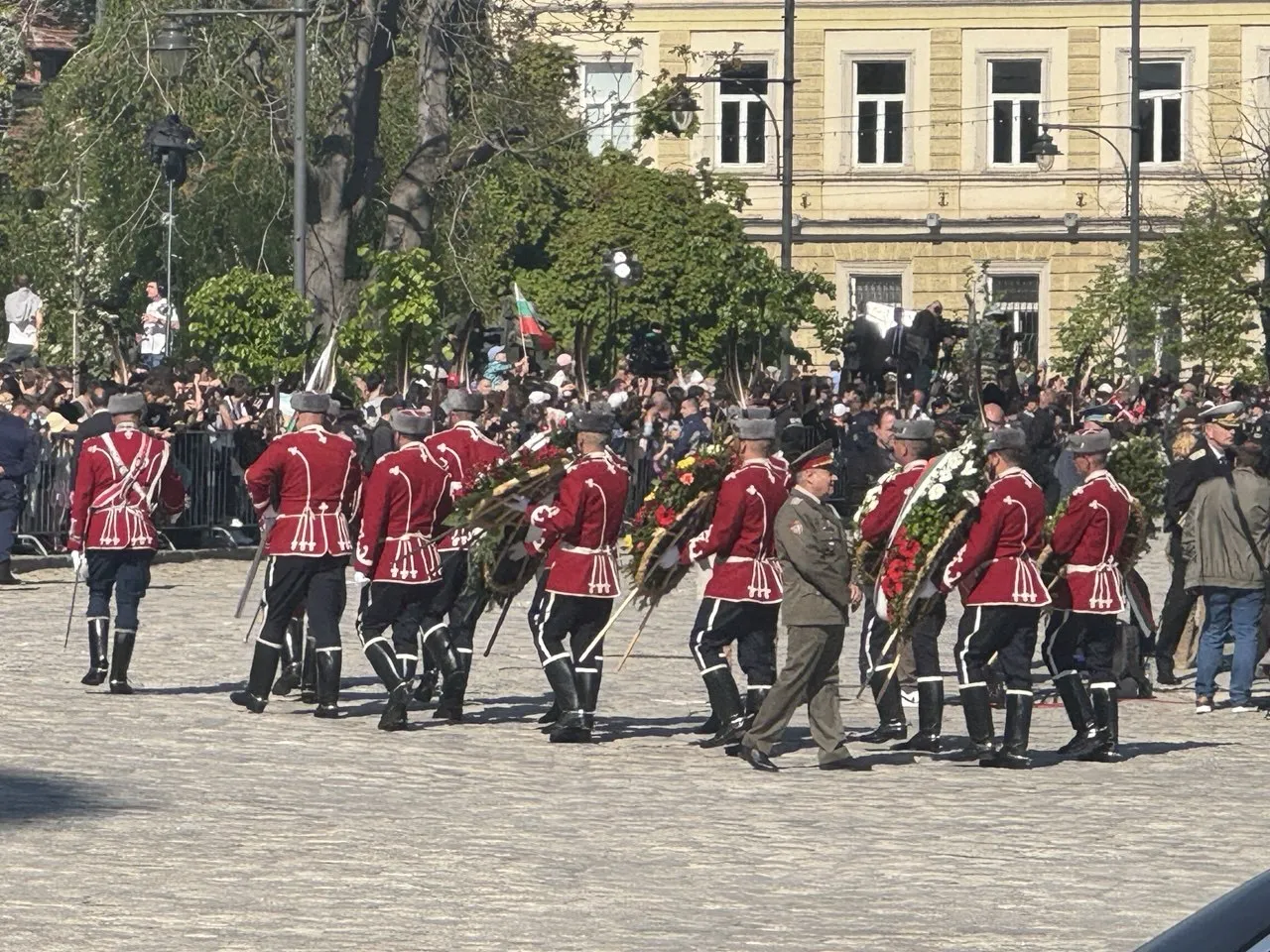
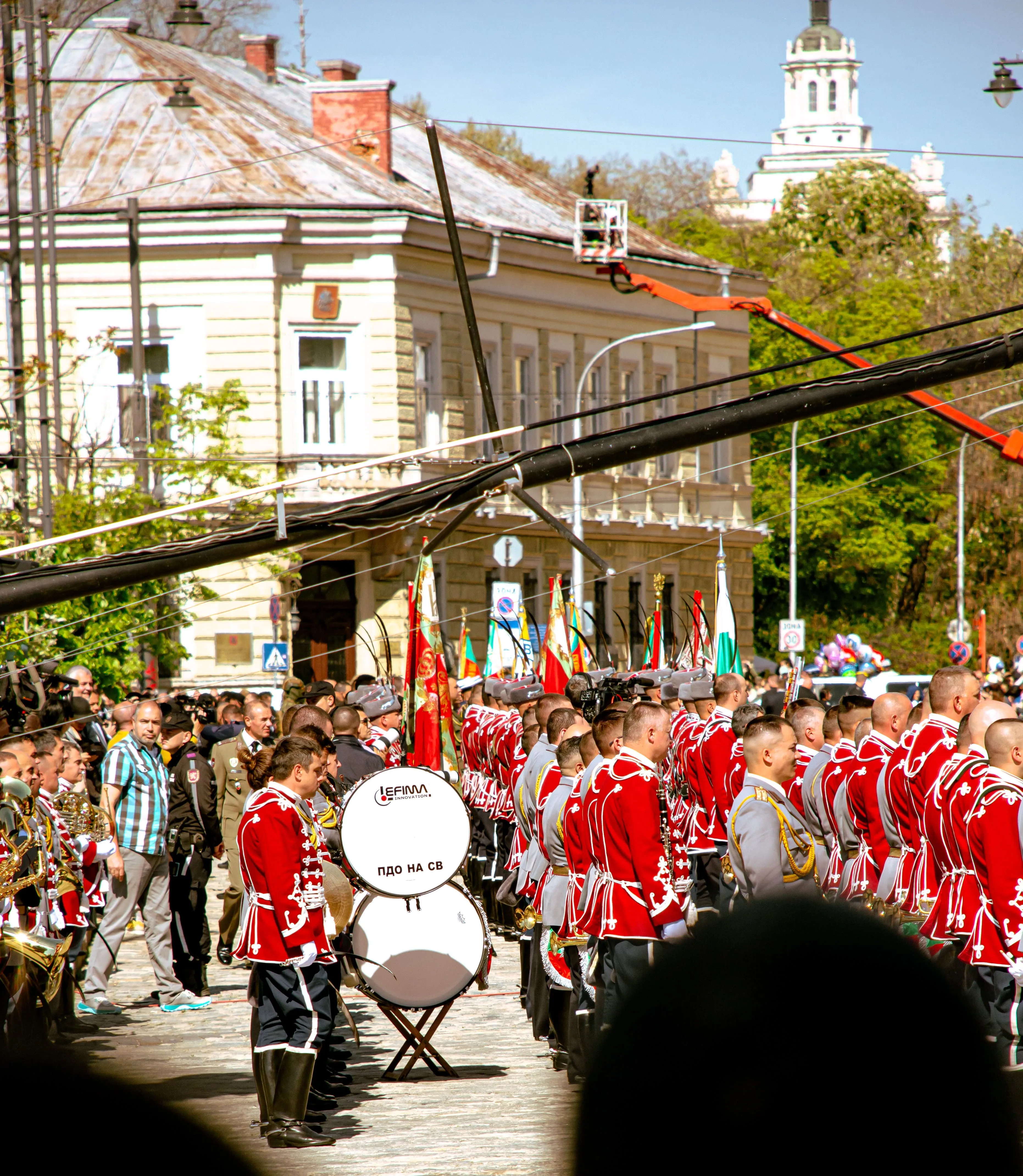
On May 6, the center of Sofia once again became the stage for one of the most symbolic state rituals – the solemn military parade on the occasion of St. George's Day, the "Day of Bravery and the Bulgarian Army." The holiday, which combines the Christian cult of Saint George the Victorious with secular respect for military duty, brought together representatives of state institutions, military personnel, veterans, and citizens who came out to see the lined-up flags and participating formations up close.
The Symbolism of the Date: Saint George and the Day of Bravery
May 6 holds a multi-layered significance for Bulgarians. In the Orthodox tradition, Saint George is perceived as the patron saint of soldiers, farmers, and herds, and in the folk calendar, "Gergyovden" marks the beginning of true spring – with herds heading to pasture, green wreaths on the gates, and a festive feast with lamb. Thus, religious cult, agricultural cycle, and modern statehood meet on the same day.
As the "Day of Bravery and the Bulgarian Army," May 6 also serves as a reminder of the historical role of Bulgarian soldiers – from participation in wars of liberation and unification to today's missions and operations within allied formats. Official ceremonies are a moment when the state visibly pays tribute to people in uniform – not only through protocol speeches but also through the kind of public visibility that is lacking during the rest of the year.
The Parade in Sofia: Ritual, Representative Units, and Faces Behind the Uniforms
The celebrations in the capital began with the hoisting of the national flag and the performance of the anthem, followed by military honors and greetings to the lined-up units. Representative units from the various branches of the armed forces participated – Land Forces, Air Force, Navy, and specialized formations, as well as cadet and guard units.
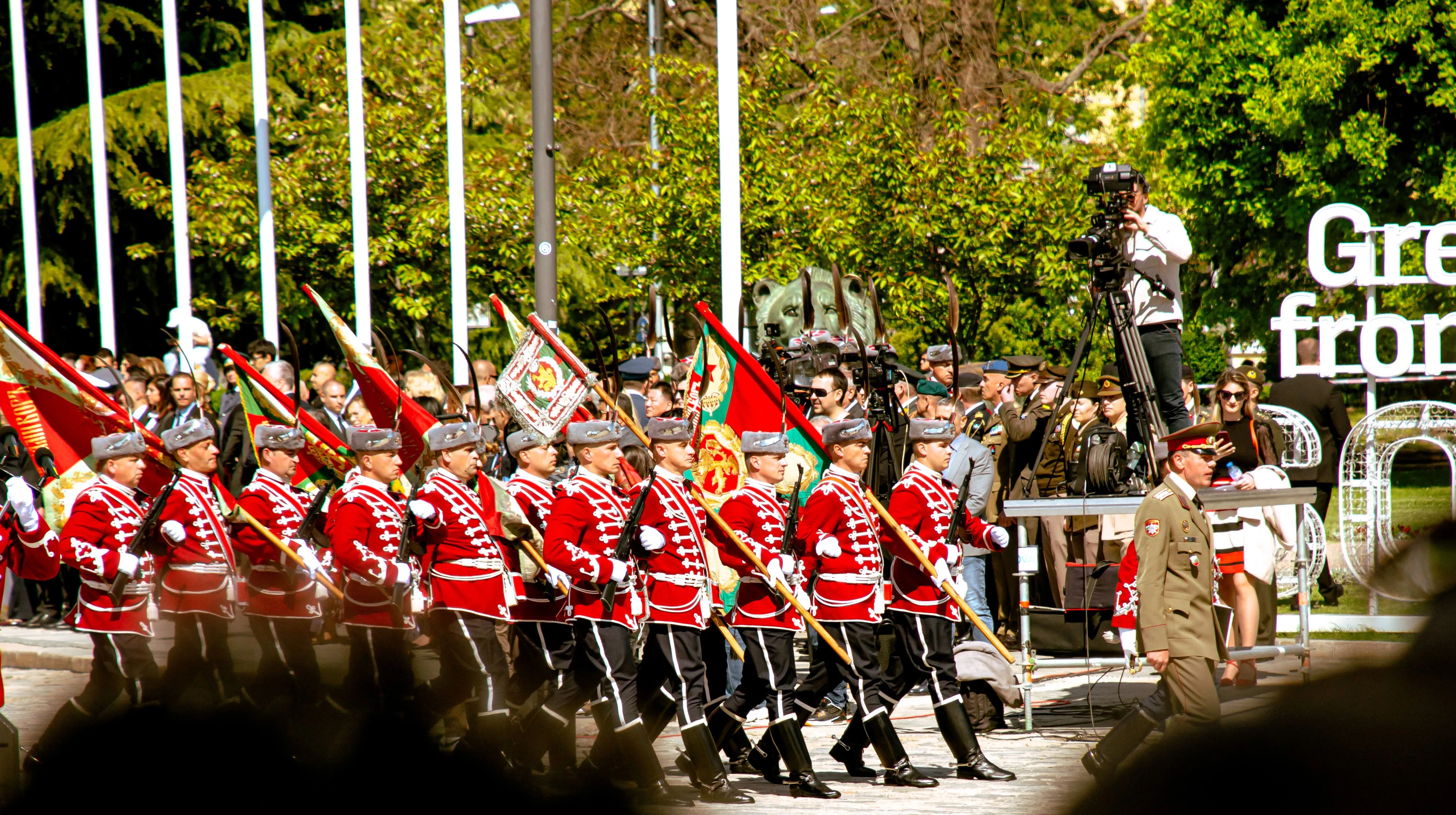
For many of the people on the sidewalks, the marching of the units in formation is the most emotional moment. The young faces of cadets and soldiers are visible, alongside more experienced officers and sergeants, men and women from various branches of the military. Thus, the abstract concept of "army" takes on human dimensions – behind the uniforms stand specific biographies, families, and personal choices to take responsibility for defense.
Military Hardware on Display: Between Tradition and Modernization
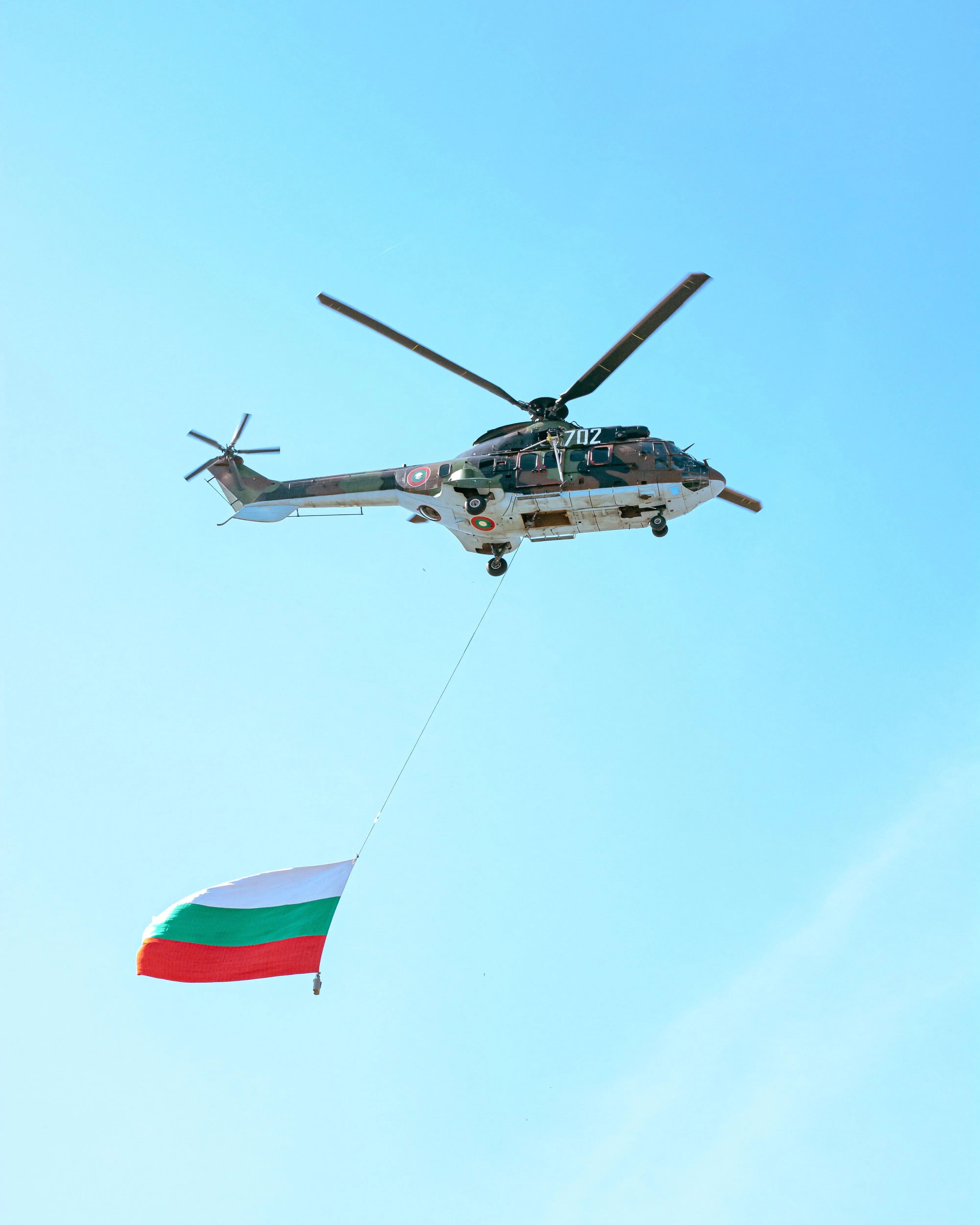
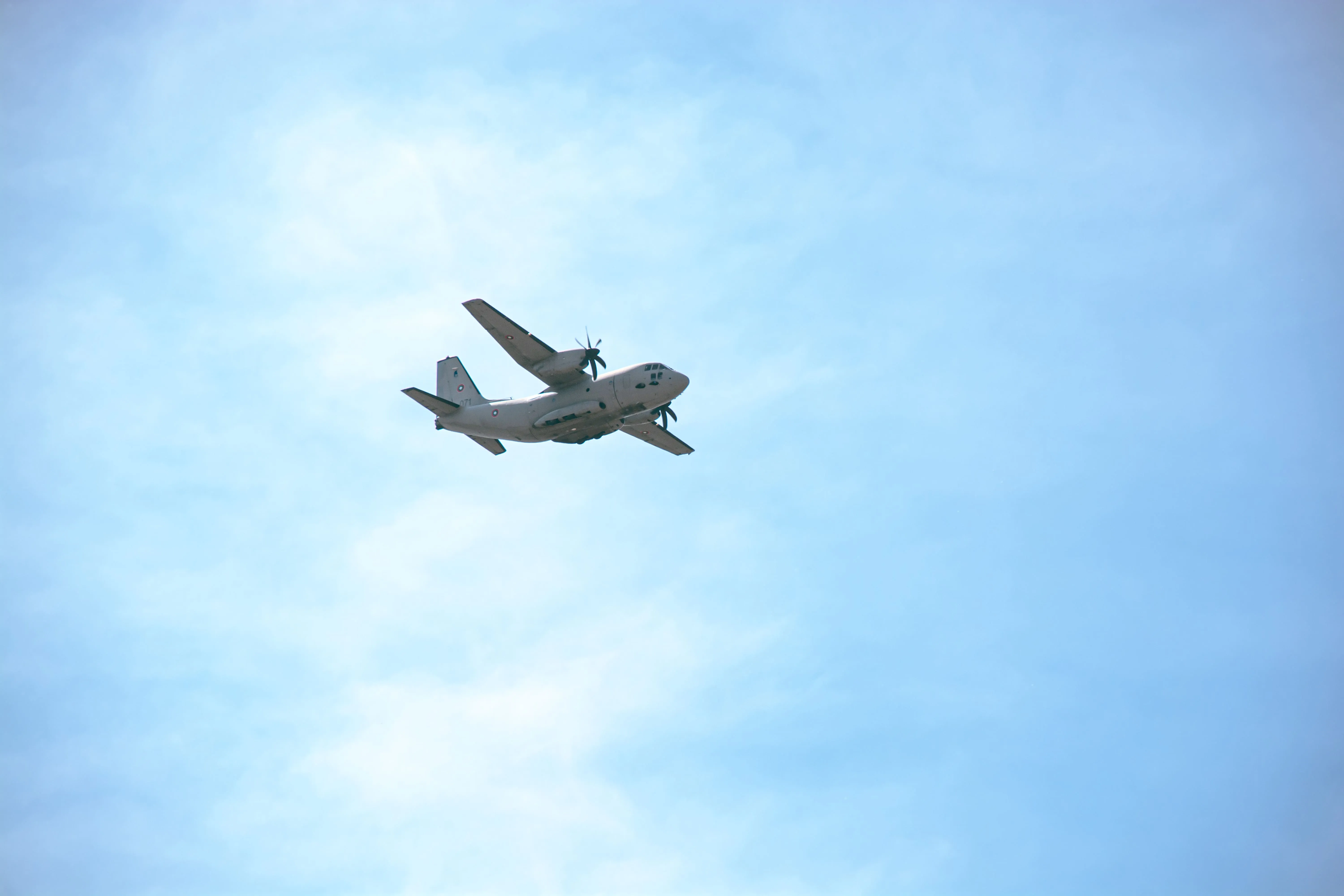
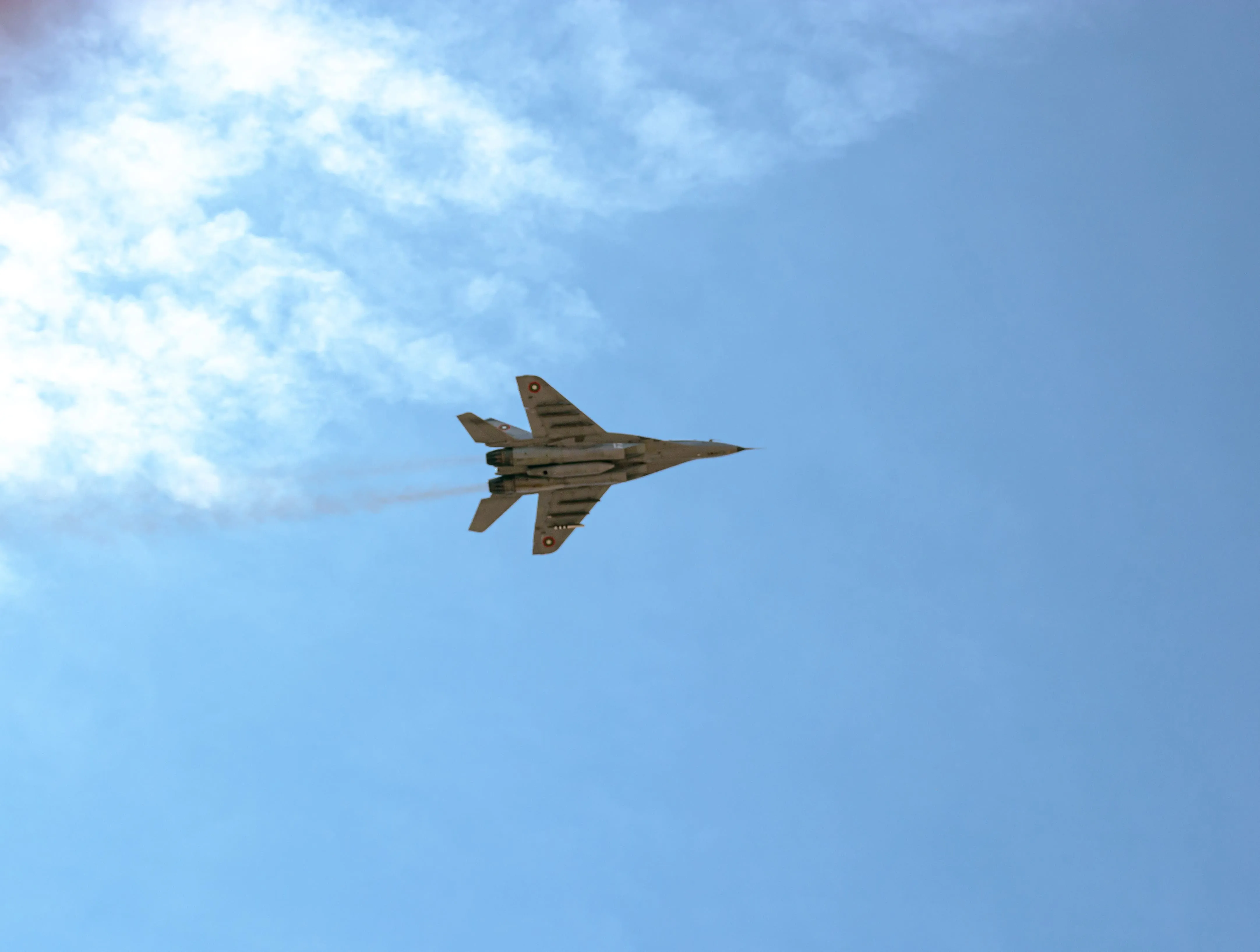
A highlight of the parade is traditionally the presentation of equipment. This visual scene reminds us that the process of modernization continues to be a key topic for the Bulgarian armed forces. In the formation, older platforms still coexist with new machines acquired in recent years, and the public debate about whether the army possesses the resources corresponding to modern risks remains open. The parade shows the visible part of these capabilities but also raises the question of what else is needed for the defense capacity to be adequate to the security environment.
Public Attitude: Respect, but Also Distance
Army Day is also a kind of test for public sentiment. In recent years, sociological surveys have consistently shown that the army is among the institutions with relatively high trust compared to other state structures, but this does not automatically translate into mass interest in the military profession. Young people often link their future to the private sector or emigration, and military service remains a niche choice.
Here, the parade also fulfills a communication function – it reminds us that the army exists not only in news broadcasts and crisis scenarios, but also in everyday life. For many children, their first contact with the military is precisely on May 6, when they can see equipment and uniforms up close, ask questions, and hear stories from the people behind the formation. This is a chance for the army to be perceived not as an abstract structure, but as a real professional community.


Comments (6)
Абе, хора, какво праим с тия коне, бре? Да не би Путин да ни ги е изпратил като "подарък"? 🤣 Сериозно обаче, та
абе, сериозно ли все още ни е кеф да гледаме коне
абе, я си го казвам... хубаво е да
Абе, сериозно ли още си играем на паради, а? Не може ли малко повече инвестиции в модернизацията на армията да видим, вместо коне да ни развли
Ама хайде де хора! Радвам се, че отбелязахме Гергьовден по този начин – с парад и всичко останало. Важно е да помним историята си и да почитаме воините ни. Аз лично мисля, че е страхотно да видим традициите живи!