
Yovita Grigorova, deputy appeals prosecutor in Burgas, is running for a seat on the prosecutors' panel of the Supreme Judicial Council. She is one of four candidates from Burgas. The general assembly of prosecutors will vote on 17 October.
The other three are regional prosecutor Georgi Chinev and prosecutors Blagovest Vangelov and Darin Hristov. The assembly meets in Sofia and starts at 10.00am.
Grigorova rarely appears in public. Nearly 80 prosecutors from the Burgas appeals region put her name forward. The region covers the judicial districts of Burgas, Yambol and Sliven. In an interview, she said she sees the nomination as a big responsibility and an honour, and understands it as a one-sided contract of obligations.
Grigorova is 55. She studied law at Sofia University "St Kliment Ohridski" and graduated in 1994. From 1996 to 1999 she worked as a chief legal expert at the regional administration in Burgas. In 1999 she became head of the district prosecutor's office in Pomorie.
In 2010 she won a competition for a prosecutor's post at the appeals prosecutor's office in Burgas. Since 2015 she has been its deputy head and deputy appeals prosecutor. She says she has been a prosecutor for more than 30 years. Her doctoral thesis at UniBIT in Sofia is on countering crimes linked to illegal crossing of Bulgaria's borders, and on national security.
Grigorova said she is running because of problems that have built up over the years. She listed weak staffing and administrative capacity, blocked competitions for posts and a lack of money. In her view, the judiciary should share more data electronically with the EU and third countries, go digital and give judges, prosecutors and staff more social rights.
Her main aim is to restore trust in the judiciary and the professional dignity of magistrates and staff. She wants dialogue with colleagues and citizens, and impartial justice based on facts and law.
Grigorova supports keeping the council a part-time body, with its members continuing to work as magistrates. Otherwise, she says, professional debate and accountability suffer, and current problems are not solved quickly.
The council's competitions come too late for staffing needs. As a result, magistrates are seconded to different courts and offices, which other branches of government criticise. Competitions are held only in the capital, not by appeals region, for example. Grigorova says this leads to overlapping procedures and candidates, needless delays, a shortage of magistrates, overload and more secondments.
She proposes an annual timetable of competitions by body. The panel would open them with a decision before a post falls vacant, but no one would be appointed before the post is actually vacated. Grigorova says this is possible under the current rules, because retirements and vacancies among junior judges, prosecutors and investigators are known in advance.
She also proposes a college or general assembly of prosecutors at each level, like the general assembly of judges under the Judicial System Act. It would give advisory opinions on the choice of administrative heads and their deputies, on secondments and on other staffing matters.
Court fees have not changed in more than 17 years, and prosecution fees in more than 29 years. Grigorova thinks they should be updated, and she allows for a minimal fee for complaints that do not concern crimes.
She says extra money is needed to digitise registry work and pre-trial and court procedures. That would cut material costs and make the work faster and easier to reach. E-justice in Bulgaria lags behind the requirements of the European Judicial Network and other bodies, she said. Magistrates also need ongoing language training, which also needs funding.
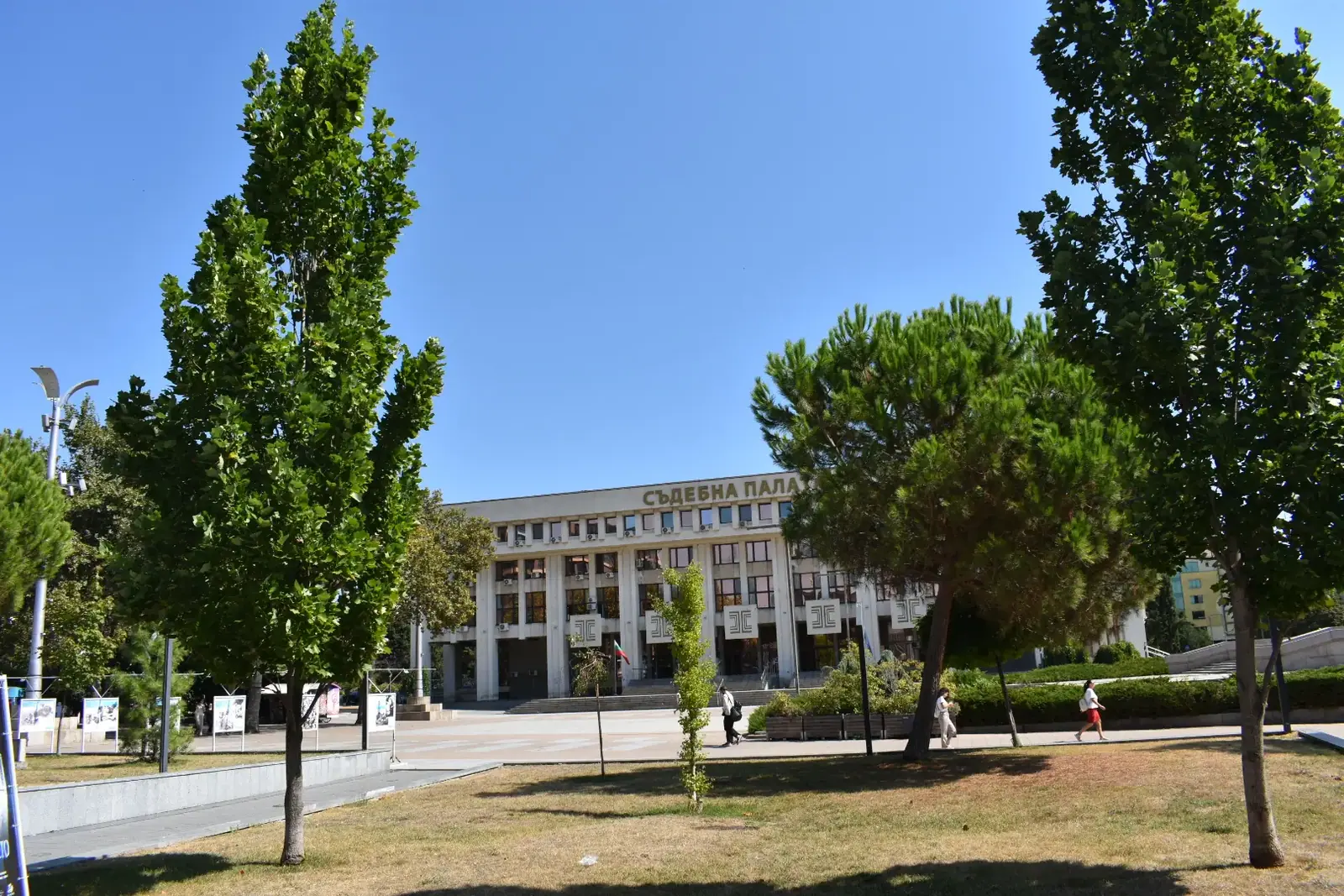
Grigorova also spoke about buildings, which in many places are in a poor state. Prosecutors and investigators are hard to reach physically, especially for elderly people and people with disabilities. She says court buildings are the face of the state.
Asked what people will gain from these changes, she said pre-trial and court proceedings will become faster and more efficient, especially in complex cases.
On the new prosecutors' association, Grigorova said she has no observations on it, but considers it acceptable under the principle of pluralism. She wants the council's panel to hold an active, open and professional dialogue with colleagues and other authorities, and to report to magistrates.
In her view, independent staffing decisions require morality, openness and high ethical standards. Without them come distrust and scepticism, which push colleagues away. Asked whether career advancement in the system follows a dynastic or other subjective principle, she said it should rest only on professional merit, law and morality.
The workload does not scare her, Grigorova said: she loves her profession, has enthusiasm and faith in the law and in justice, and is an optimist.
In total, 25 people are nominated nationwide, and there are 4 places on the prosecutors' panel.




Comments (1)
17-ти октомври, значи ще видим какво ще стане?