
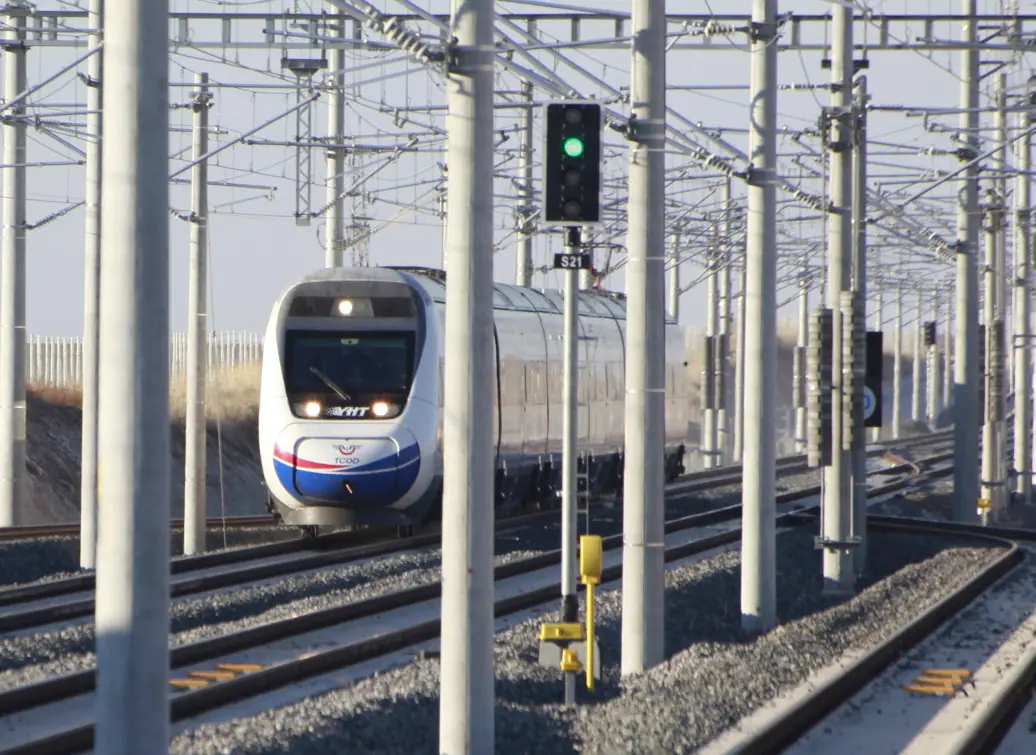
Turkey is taking large-scale action to build a faster and more efficient rail link with Europe. The country plans to commission nearly 3,000 kilometers of brand-new high-speed rail lines by the end of 2028. Details regarding these ambitious projects were announced by the Turkish Minister of Transport and Infrastructure, Abdulkadir Uraloğlu, who clarified that a total of approximately 5,000 kilometers of new lines are currently under construction in our southern neighbor.
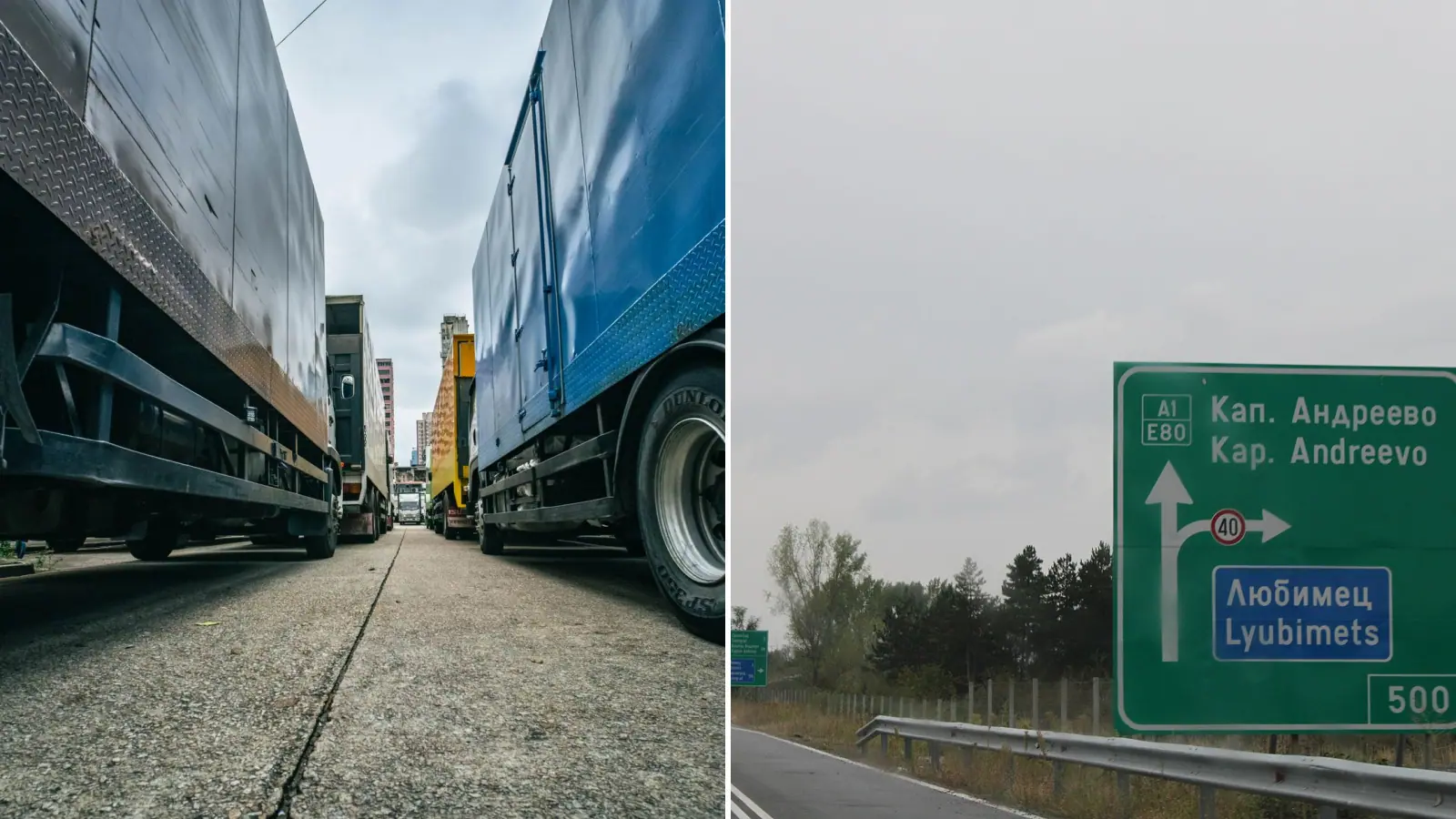
One of the most significant projects is the Halkalı – Edirne – Kapıkule railway line, which reaches the Bulgarian border at the Kapitan Andreevo border crossing. The goal is to provide a modern and fast connection between Istanbul and Bulgarian territory, from where the international transport corridor will continue through Plovdiv and Sofia, heading toward the rest of the European Union. In the context of international trade, the completion of this project will shorten freight transport times and strengthen Bulgaria's role as a key railway bridge between Europe, the Balkans, and Asia.
In addition to the link with Bulgaria, Turkey is implementing three other strategic high-speed routes that are of utmost importance for regional development:
- Ankara – Izmir;
- Bandırma – Bursa – Yenişehir – Osmaneli;
- Mersin – Adana – Osmaniye – Gaziantep.
The successful realization of these projects will increase the number of Turkish provinces with access to high-speed trains from the current 11 to a total of 27. This policy is a logical continuation of the efforts begun in 2009, when the country's first high-speed line—the Ankara – Eskişehir route—was put into operation. Since then, high-speed trains in Turkey have served over 114 million passengers.
Ankara's long-term strategy is even more comprehensive, with the goal of increasing the total length of the national railway network to an impressive 28,500 kilometers by 2053. In doing so, the country aims to solidify its position as one of the most significant transport hubs connecting the markets and economies of Western Europe, Central Europe, the Balkans, the Middle East, the Caucasus, and Asia.


Comments (3)
Халкалъ... наистина ли е толкова близо
До 2028 година ли? Ще се стекат ли всички тук?
3000 км… доста ГОЛЯМ проект. Дано се разберем с тях за връзката ни, че нещо май кукуригаме напоследък. 💸