
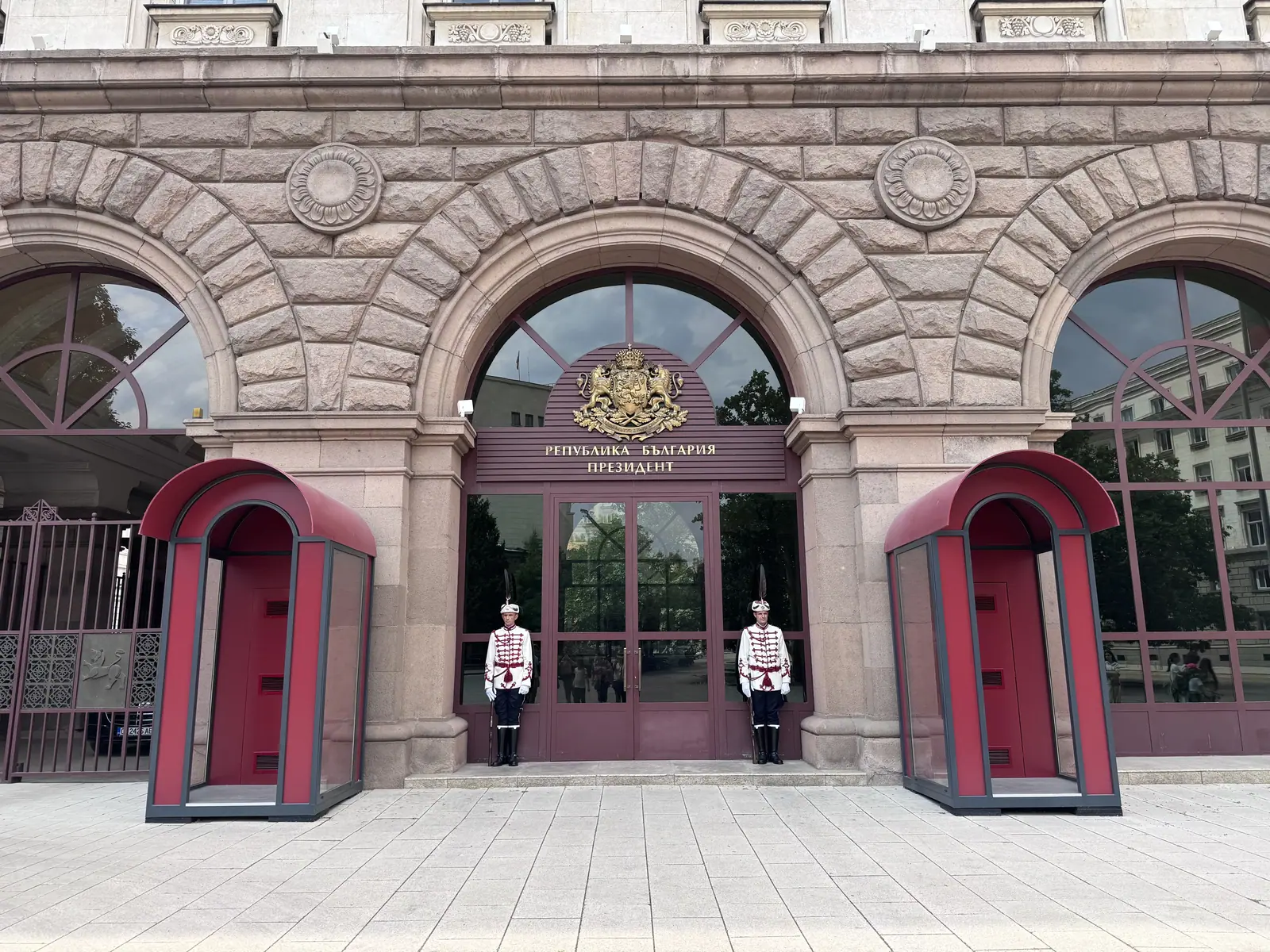
Bulgaria's president does not lead the government and cannot set state policy alone. The president has only the powers listed in the constitution, and these show which campaign promises a president can keep.
Bulgaria is a parliamentary republic, and voters elect the president directly. Parliament passes laws, and the Council of Ministers holds executive power. Voters elect a president and a vice president for five years.
The direct vote gives the president a democratic mandate, but it does not make the president head of the executive. The president is a symbol of national unity and represents Bulgaria abroad. The vice president assists the president and carries out the powers the constitution gives, or those the president assigns under the rules it sets out. Promises and public support add no powers.
The president has a suspensive veto. The president can send a law back to parliament for a new debate and give reasons. If MPs pass the text again by a majority of more than half of all deputies, the president must sign it into law. A veto means more debate and scrutiny, but it does not give the president the last word on what a law says.
When a government is formed, the president holds talks with the parliamentary groups and hands out the exploratory mandates. If the parties cannot agree on a regular cabinet, the constitution provides for a caretaker government and a new election. Under the 2023 constitutional changes and a 2024 Constitutional Court ruling, the president's choice of caretaker prime minister is limited. The president can name only one of the officials listed in Article 99, paragraph 5.
The president is supreme commander of the armed forces and chairs the Consultative Council for National Security. The president also has powers in foreign affairs, including diplomatic representation. For many decisions, the constitution requires the Council of Ministers, parliament or other bodies to take part.
A presidential decree cannot change taxes or the split of public revenue, and it cannot set higher welfare payments. These need government decisions and, where needed, laws passed by parliament.
In education, health care and the justice system, the president can start a public debate and make certain appointments. In the cases the constitution sets out, the president can also refer a matter to the Constitutional Court. The president cannot set school curricula alone, change pensions or tell independent judicial bodies how to rule.
The president has influence through addresses, diplomatic meetings and visits, calling the Consultative Council for National Security, and statements on current issues. In a crisis between state bodies, the president can help keep the political forces talking.
The analysis says the effect of a president's work depends on trust in the office, personal standing, and relations with the majority and the cabinet. When their priorities match, the president helps keep policy steady. In a conflict, the president can become a target for criticism, with no means to force decisions through.
In the campaign, candidates talk about a fairer state, an active foreign policy, a fight against corruption and defence of the national interest.
Andrey Gyurov said he would promise only what a president can really do, and that he wants an independent presidency that acts as a check on those in power.
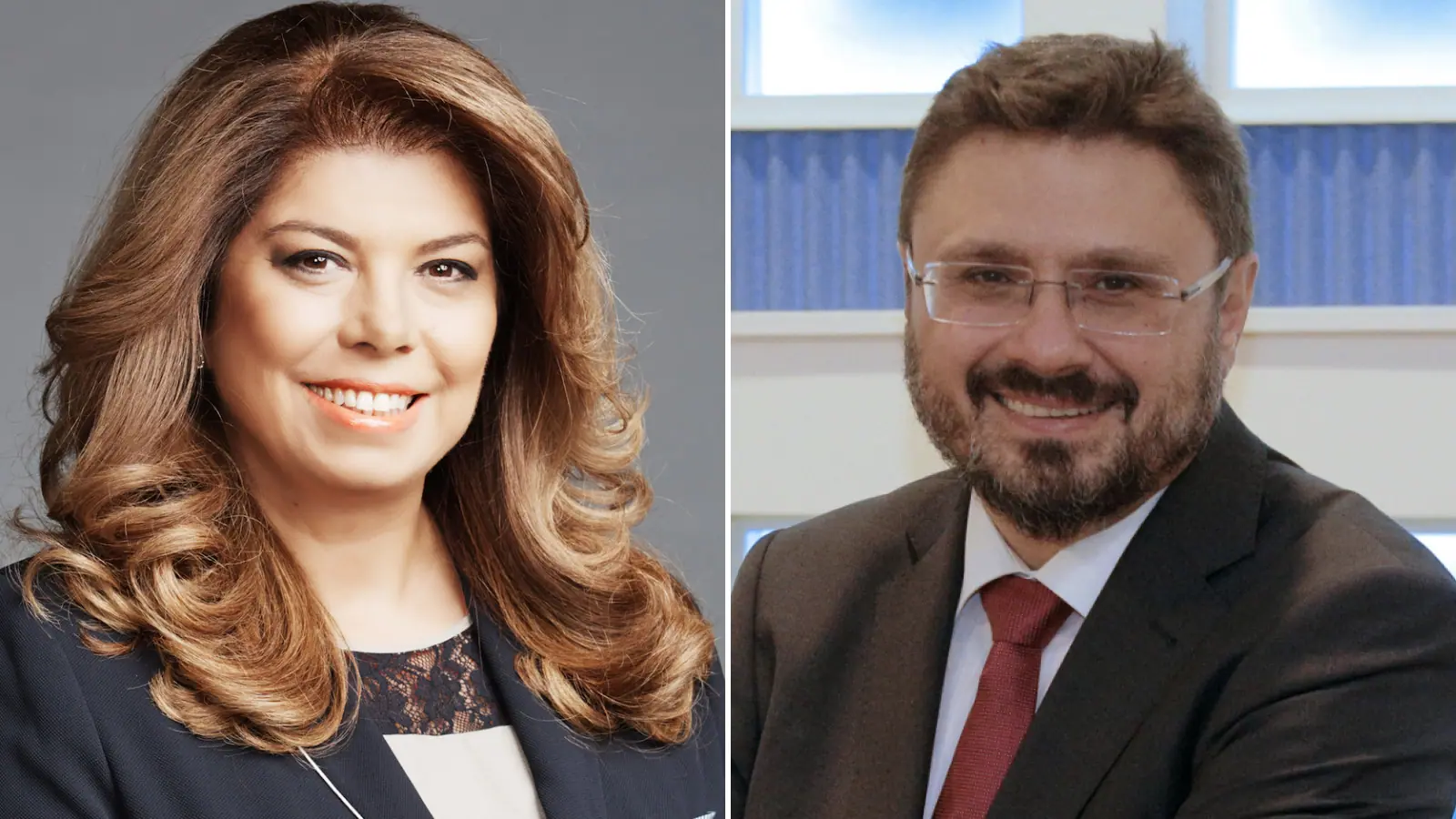
Iliana Yotova says the big sector policies are mainly a job for the executive and the legislature. She thinks the president can back good legislation, encourage dialogue between state bodies and take a stand on major issues.
Kostadin Kostadinov said that as president he would press Bulgaria to declare active neutrality in Russia's war against Ukraine.


Comments (0)
No comments yet.