
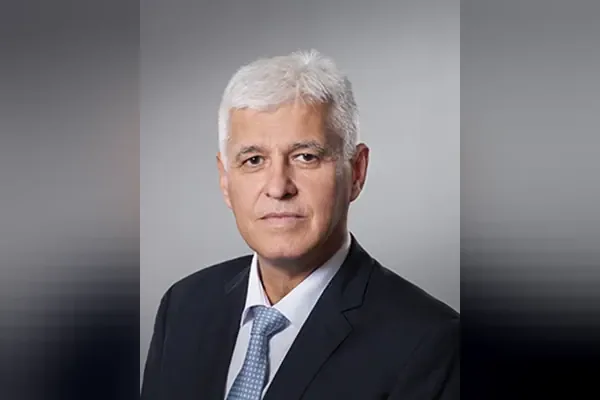
Bulgaria will put two more surveillance drones over its Black Sea coast, defence minister Dimitar Stoyanov told parliament's defence committee.
The first system arrived about a month ago, and Bulgaria is waiting for instructors to deploy it. It has radar, optical and infrared sensors and can stay in the air for a long time. The second belongs to the Joint Special Operations Command and comes with specific limits on its use. Monitoring of the coast is being stepped up.
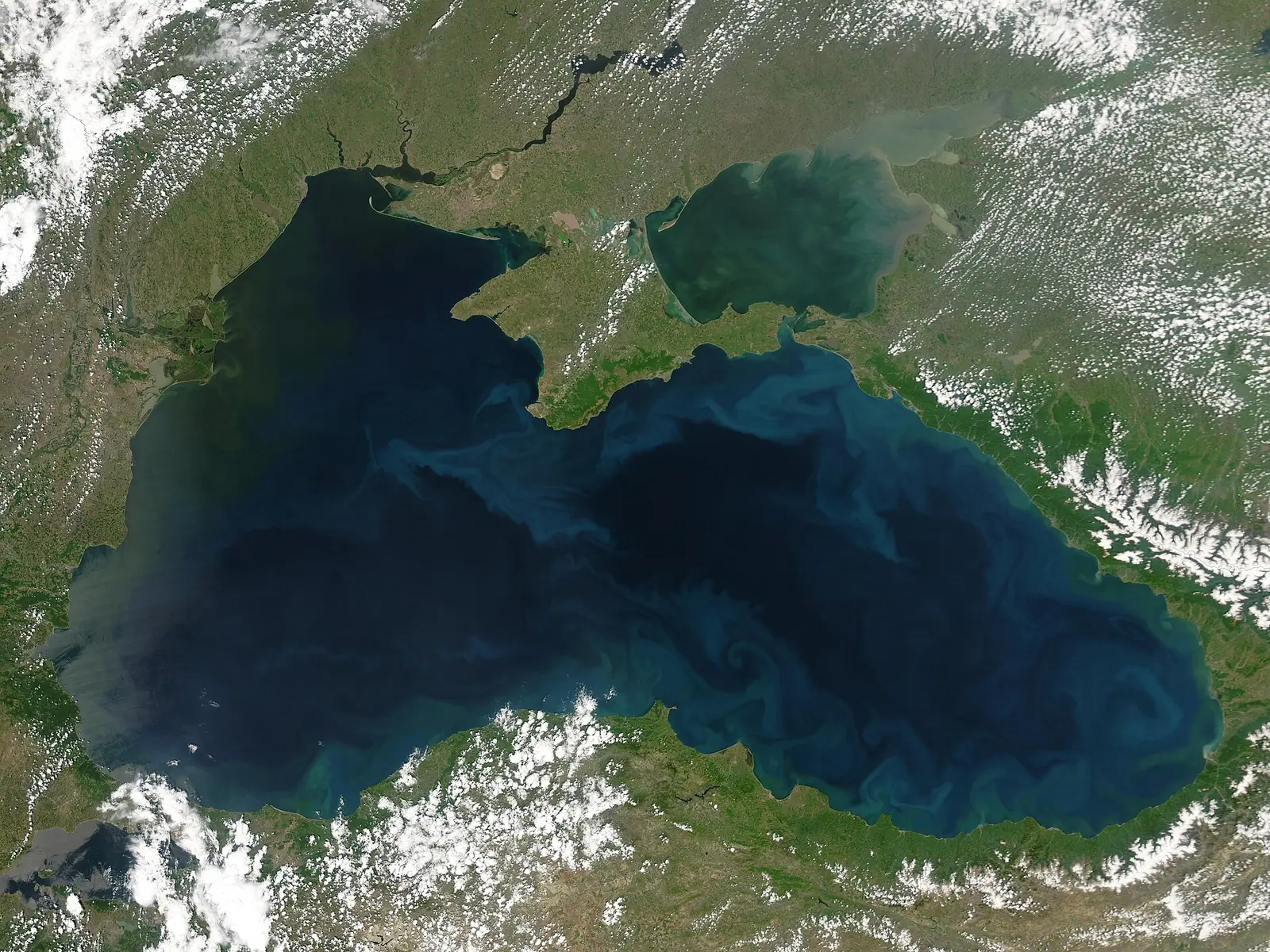
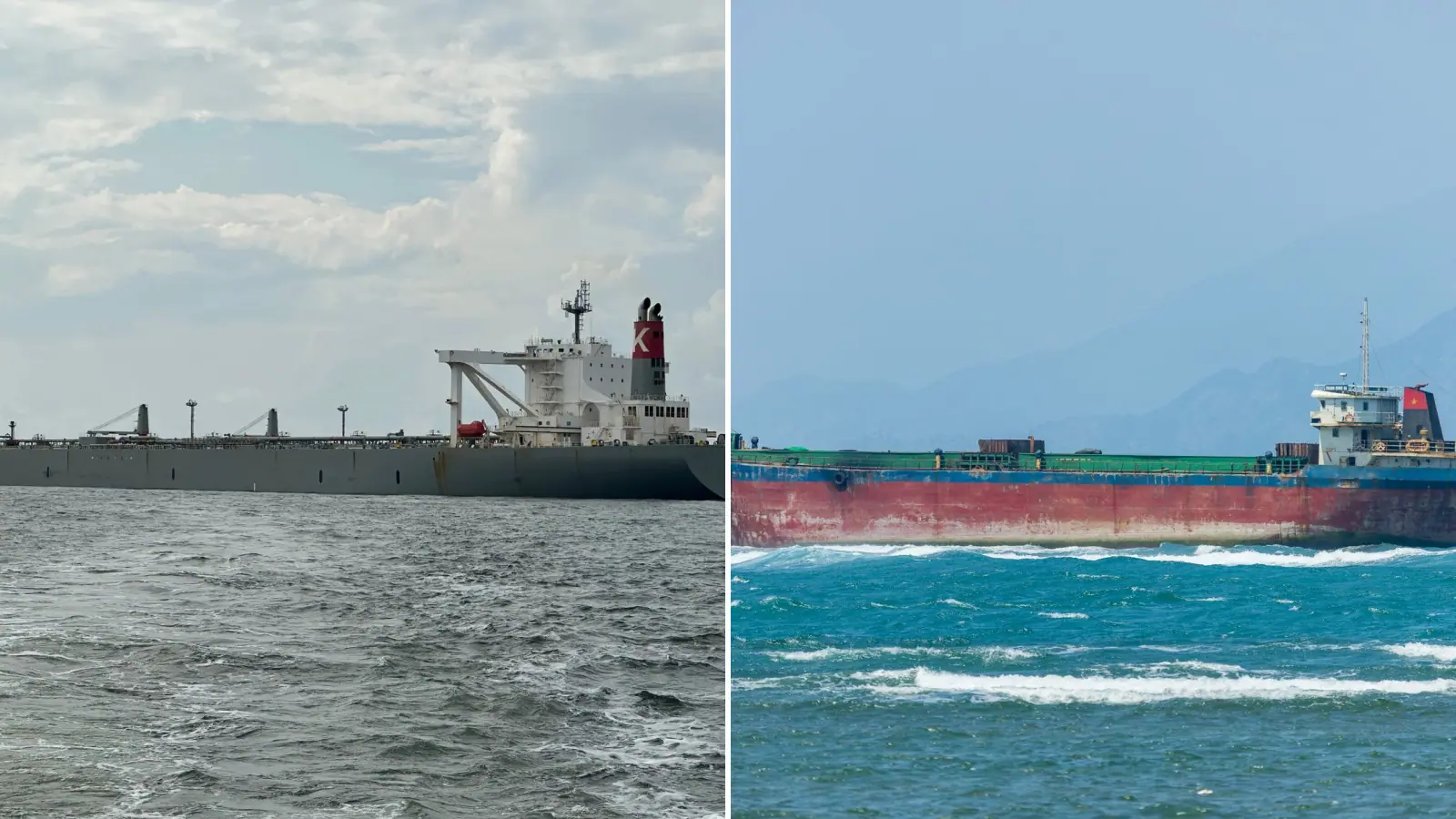
Stoyanov also answered questions about incidents involving merchant ships in the Black Sea, where a drone was present. The ships were outside territorial waters, about 17 nautical miles from the Bulgarian coast. Similar incidents have happened in other parts of the Black Sea, including areas near Turkey and Romania. After the alert, Bulgaria sent help under its National Plan for Search and Rescue in Maritime and Aviation Incidents, the minister said.
The drone was made in Ukraine. Ukraine later confirmed in a letter that its armed forces had used it. The minister said that where a drone was made does not mean it was launched from Ukrainian territory.
Drones fly low and fast, at 300 to 600–700 km/h, so they are hard to detect and there is little time to react, Stoyanov said. Bulgaria has no system that can guarantee it spots all drones, and satellite images give limited information that is not in real time. Over a distance of 130 km, the country has no system for continuous and full surveillance of the sea.
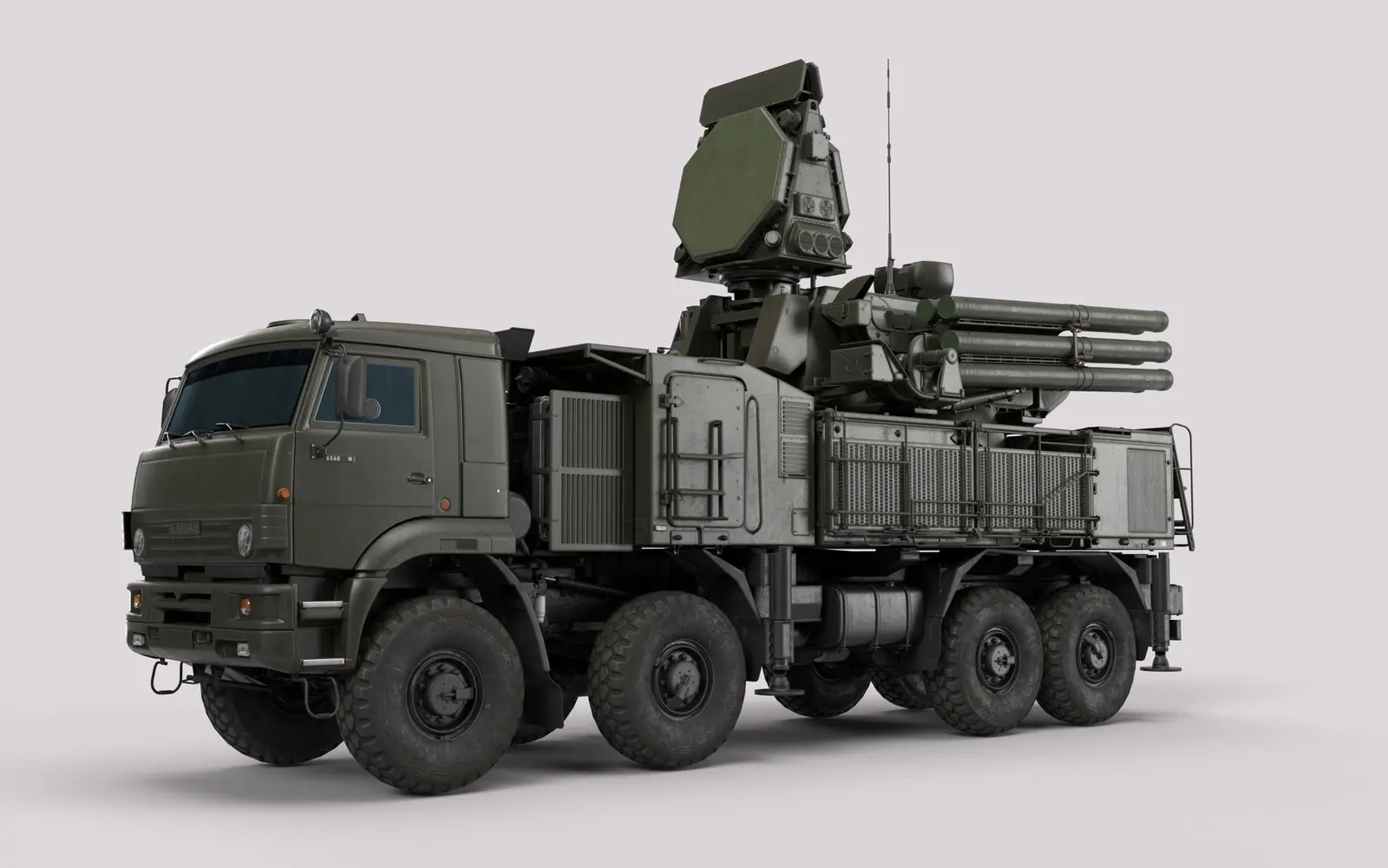
Outside its territorial waters, Bulgaria has no right to open fire. It has a missile system, but using it against drones is hard. Civilian air traffic over the territorial waters must be cleared first, to avoid a bigger tragedy. "Money does not give capabilities. Money gives the opportunity to build capabilities, which will come over a certain period of time," the minister said.
Escorting merchant ships is not possible, because Bulgaria, and especially the Defence Ministry, has no jurisdiction there. The state cannot prevent every incident, but it must improve its monitoring and response, Stoyanov said.
Bulgaria has not refused consultations under Article 4 of the North Atlantic Treaty, but the decision must be made carefully, the minister said. "We must draw a very clear distinction and avoid invoking Article 4. Because what comes after Article 4? After Article 4 comes Article 5," he said. In his view, such incidents in the Black Sea and involving other allies should not automatically lead to Article 4 and should be discussed in a different format.
The issue was discussed in the Consultative Council for National Security, and the information was passed to the relevant institutions. Allies have been informed, and the matter was also raised in the North Atlantic Council.
Bulgaria has discussed joint action with Turkey and Romania, as well as extra steps to protect the coast.
After the North Atlantic Council meeting, a letter was prepared to allies asking for extra steps, including a stronger rotational presence.
Comments (0)
No comments yet.