
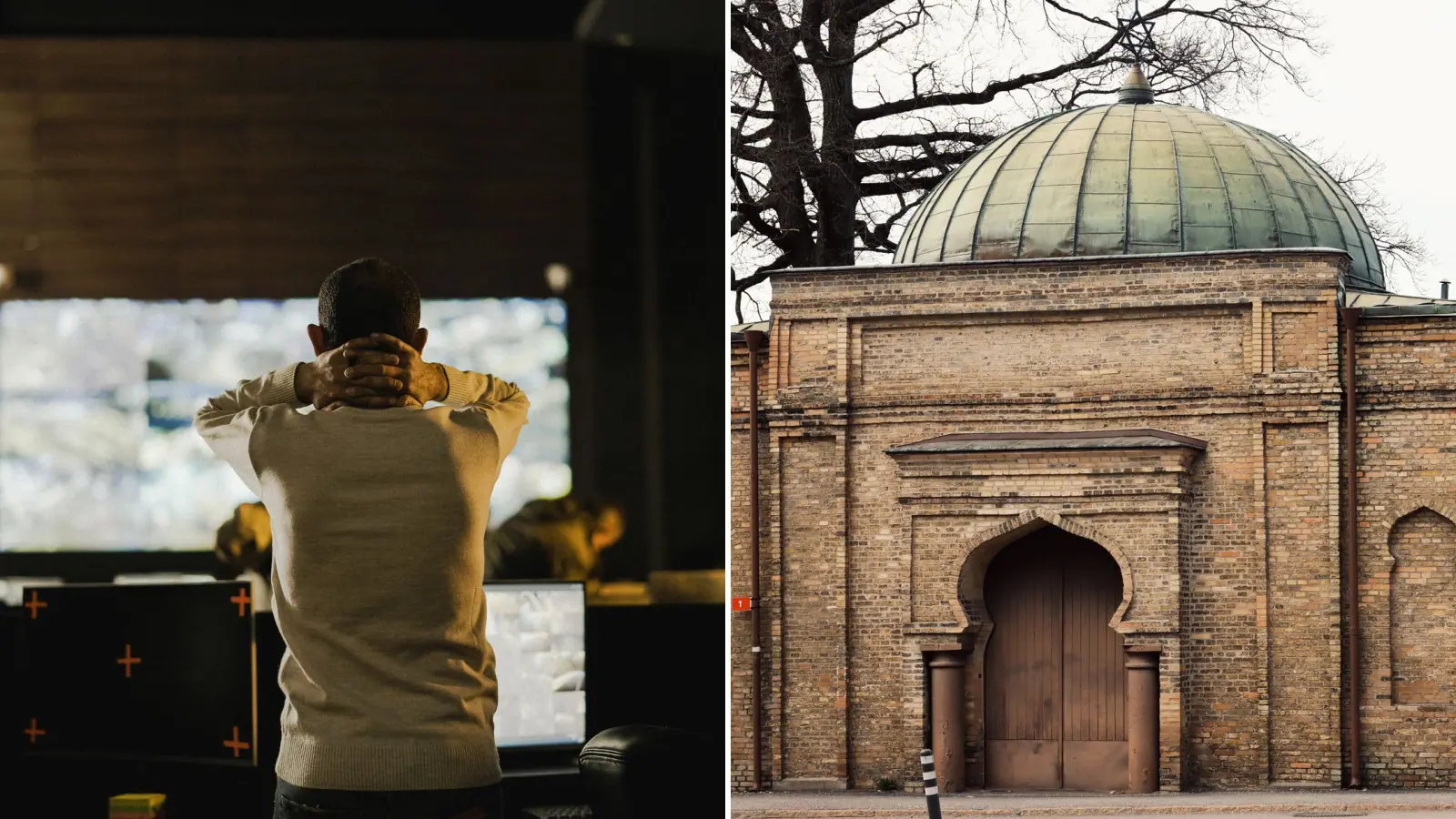
MI5 has made more than 50 arrests in the past 12 months in operations linked to Iran, director general Sir Ken McCallum said. He said Tehran, like Moscow, is widening its hybrid campaign against the UK in 2026, and that Jewish communities are among its main targets.
McCallum gave his annual threat assessment on Tuesday at MI5 headquarters in London.
He said Britain has entered a new era of national security, facing hostile states such as Iran and Russia. Russia is the leading state aggressor against the UK. The scale of change at the service is comparable to that after the 9/11 attacks. MI5 now puts more resources into threats from hostile states than it did during the Cold War.
McCallum has warned about the Iranian threat since 2022. He said Tehran hires outside groups to carry out violence on British soil and uses criminal go-betweens to intimidate dissidents, Iranian media organisations and Israeli targets.
The director said he stands in solidarity with Jewish communities in the UK. In the spring, a wave of arson attacks and sabotage hit Jewish communities in the UK and elsewhere in Europe, targeting ambulances, synagogues and businesses. A group calling itself the "Islamic Movement of the Companions of the Right Hand" claimed responsibility. McCallum said members of Iran's Islamic Revolutionary Guard Corps (IRGC) are behind it.
The group and the IRGC are listed under Britain's National Security Act. This gives the authorities extra powers to disrupt their activity and bring prosecutions. McCallum said anyone who wants violence on British streets, whether locally recruited criminals or their foreign handlers, will meet a firm response.
On 20 September, two Iranian nationals were arrested on Newton Street in the Northern Quarter of Manchester, as thousands of British Jews were preparing for Yom Kippur, which fell last month. One is 34 and lives in Salford. The other is 36 and is from Liverpool.
The two are charged with preparing acts of terrorism, including planning or helping an attack around Yom Kippur. The target was the ultra-Orthodox Jewish community in Salford, Greater Manchester.
Earlier this month the defendants appeared in court in London. At a hearing at Westminster Magistrates' Court on 3 October, prosecutors said they had carried out hostile reconnaissance of the Jewish community in Manchester and had picked out the Jewish Museum in the city and the synagogue in Heaton Park.
Prosecutors said the two planned a homemade explosive device and were in contact with a third person abroad, probably in Iran, who gave them instructions. They had a document with instructions for a home-made bomb and a video on making or assembling an explosive device. They are also accused of obtaining liquids, components and equipment for the device, researching targets and acquiring maps and photos of the sites.
In February, three Islamist extremists were convicted of plotting an attack with an automatic weapon on the Jewish community in Manchester.
McCallum said artificial intelligence (AI) is already intensifying the contest between attackers and defenders in cyberspace. It helps with propaganda and recruitment material, and improves reconnaissance and attack planning by hostile groups. MI5 has detected terrorists looking to AI for better reconnaissance and attack methods, and AI-enabled drones bring added risks.
A bigger possible threat is the use of AI to develop biological weapons, including new biological agents. There has been no such case yet, but the technology could give dangerous knowledge to people without the needed expertise, the director said. He said humanity has never before faced an adversary able to outthink people.
MI5 is also still fighting threats from Islamists, the far right, the far left and groups linked to Northern Ireland. McCallum said the leadership of Islamic State has been weakened by long-running counter-terrorism operations, but IS and al-Qaeda continue to direct and inspire attacks, and the service still faces attempts at mass-casualty attacks in the UK.



Comments (0)
No comments yet.