
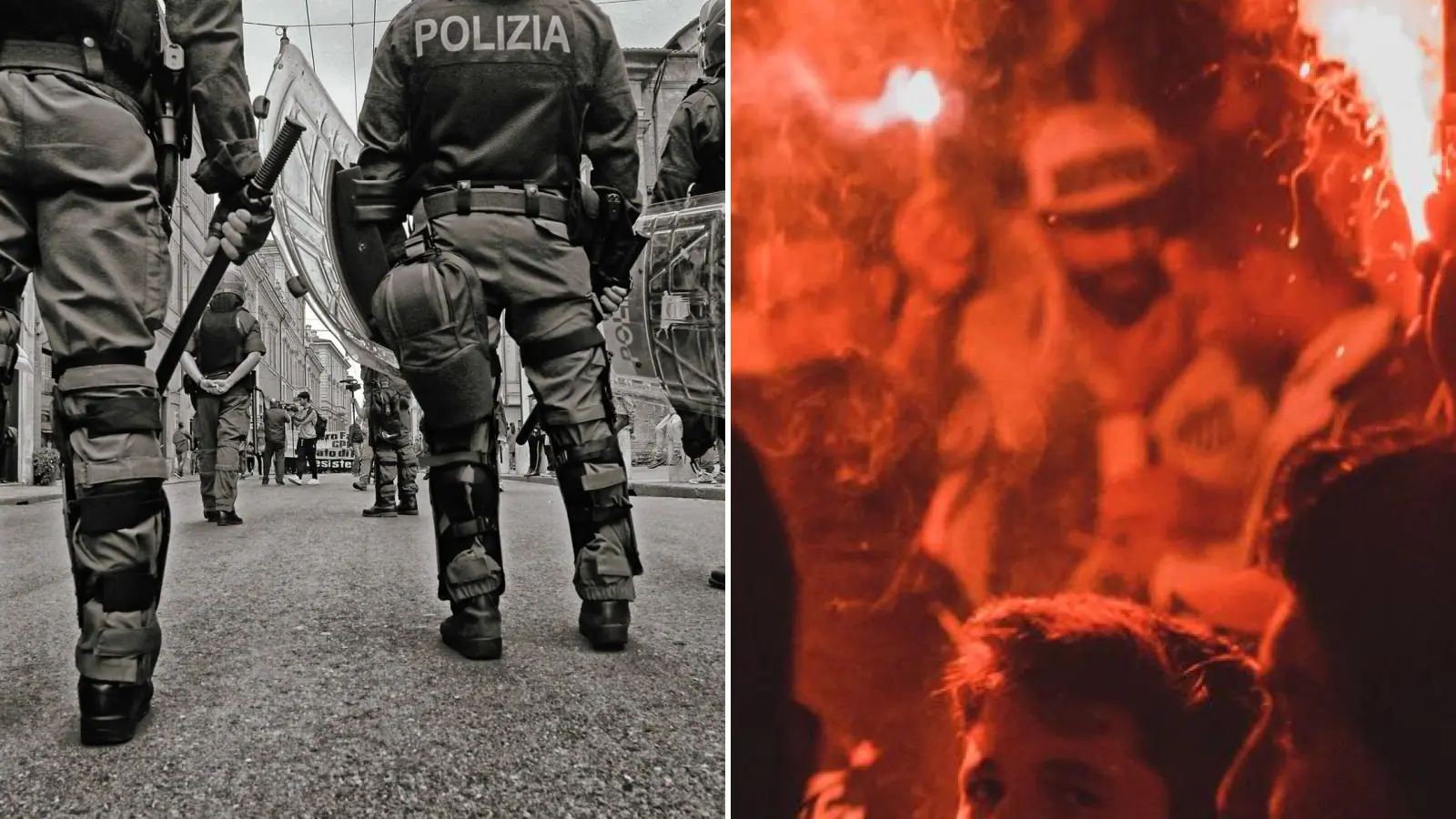
Italy will send another 500 troops to Milan and give the army police powers for three months. Prime minister Giorgia Meloni's government agreed the plan yesterday at a crisis meeting at Palazzo Chigi. The cabinet is also drafting an emergency public order decree. It would let police hold minors for up to 24 hours if there is specific evidence that they are dangerous.
The move follows street clashes and damage in Milan, Turin and Bologna last weekend. The meeting lasted an hour and a half. The decree could go to the Council of Ministers as early as this afternoon.
Meloni said the government wants a new legal tool against people who abuse legitimate protests to spread violence and chaos. She wrote on social media, and repeated at the meeting, that the state will protect the freedom of peaceful assembly and will respond at once to criminal and hooligan behaviour.
The troops will step up the "Safe Streets" operation and help the carabinieri, the regular police and the financial police. Rules on road blockades will be tightened, and the army will work directly with police to clear them.
"The government needs to adopt rules that allow the army to act as police for a period of three months," said defence minister Guido Crosetto. He said that without them, sending troops makes no sense.
At present, preventive detention applies only to adults, lasts 12 hours at most and is possible only at public gatherings that pose an immediate threat to order. The security bill now in the Senate already provides for extending it to 24 hours, and that step could move straight into the decree. The biggest change is that police will be able to take people under 18 to a police station even if they have not committed a crime.
"You post on TikTok that you plan to smash shop windows in Como? You won't get anywhere near Como, even if you are 14," deputy prime minister Matteo Salvini said yesterday.
The second big change is "deferred arrest in the act" for people involved in group vandalism. They could be arrested later from video or photos, without being caught at the scene.
The decree would let authorities bar anyone reasonably suspected of being a threat to public safety from staying in a given place or attending an event. Police headquarters could also issue formal bans to young people already on record for violence and group attacks at political gatherings, street fights, night-time disorder or in youth gangs. This measure is already going through the normal process, but after the unrest in Milan the government decided to adopt it at once by emergency decree.
Police themselves proposed some of the measures. They aim at both prevention and a tough crackdown.
Those at the meeting included deputy prime minister and foreign minister Antonio Tajani, Salvini by video link, undersecretaries Alfredo Mantovano and Giovambattista Fazzolari, and the interior, defence and agriculture ministers. Heads of the police and security services gave detailed reports on the unrest. According to those present, the new wave of street violence looks quite different from the recent past and is harder to predict.
The government is very likely to introduce the offence of "criminal association" for violent demonstrators. The ruling Brothers of Italy party has wanted this from the start. Tougher steps are not ruled out, such as limits on citizenship for foreign minors.
Undersecretaries for police and justice Nicola Molteni and Andrea Ostellari, both of the League, said their party backs longer preventive detention and tighter preventive measures, starting with police warnings. The League has also tabled a package against looting. In an amendment, it proposes that children of foreigners born in Italy should not get citizenship at 18, or should lose it if they have a final conviction for attacking police, or for destruction and looting.
Comments (0)
No comments yet.