
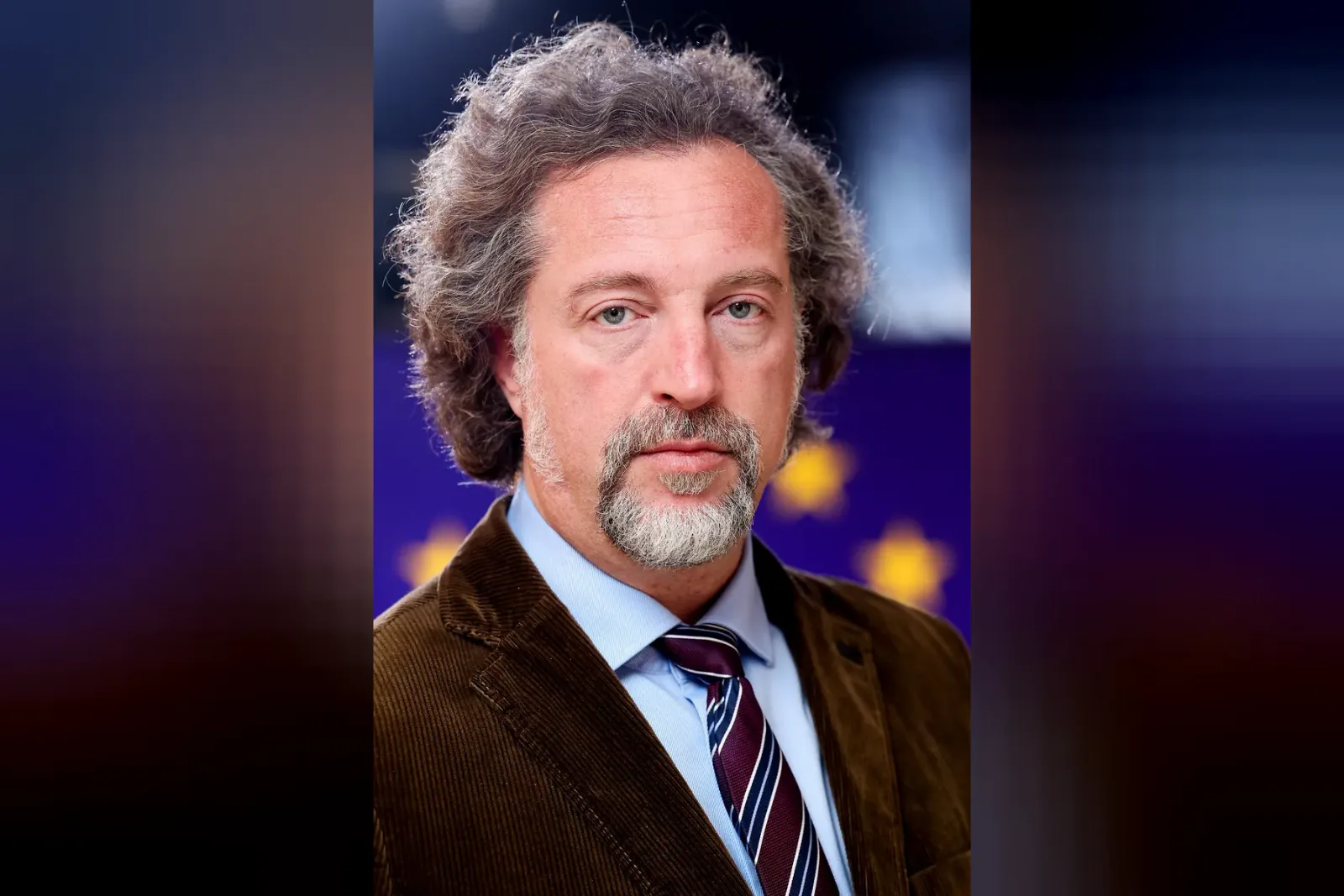
Bulgaria has no social base for riots like those in France, and next year's budget plans a 5% pay rise for public sector workers, deputy prime minister Ivo Hristov told BNT's morning show. Teachers' pay will rise by 7.5%. Pensions will go up too, but he did not say by how much.
Hristov was commenting on the wave of protests and vandalism in France. Bulgaria has one language, he said, with no huge closed-off ghettos, no suburbs where several languages are spoken and no people who speak no Bulgarian. He said the drug problem cannot be compared with France's. The deputy prime minister said he was not playing down Bulgaria's social problems, and he allowed that "sparks" could reach the country too.
He expects the vandalism to hit insurers across Europe, mostly in France. Bulgaria's finances are steadier than France's, he said.
The money in the budget will come from a windfall tax on banks and better tax collection. Hristov called the tax entirely logical, because banks made huge profits over the past year, and did so in a crisis. He said it is good for banks to have money available and to offer cheap loans.
The ruling parties' priorities are productivity, industry and high technology. The deficit will be kept within the 3% limit, although Hristov himself does not favour this strict rule. He added that almost nowhere in Europe does the deficit fit within these limits. As long as the sums add up, the balances are right, the deputy prime minister said. The budget now has to be put into effect, and parliament may make changes.
"We are against supplying weapons to Ukraine, we are against the slaughter and bloodshed continuing," Hristov said. He said Bulgaria's foreign policy is realistic: always against war, never for escalation, and no being drawn into other countries' geopolitical clashes. Russia launched its full-scale war on Ukraine in February 2022 and strikes Ukrainian cities and civilians. The weapons for Ukraine are meant for its defence against this aggression.
Macron is Ukraine's main champion in Western Europe. But Hristov said the French will no longer want to pay tens of billions for Ukraine, which is defending itself against the Russian invasion. He blamed the protests and the loss of legitimacy of the government, which French commentators and the political elite are discussing. The same goes for Germany and other countries, he said. Hristov said the war that Russia began against Ukraine in February 2022 will most likely end badly for Europe, and the longer it lasts, the worse it gets.
The future of the EU in its present form is in question, the deputy prime minister said. Travel without borders and the common currency came from many years of effort, and nobody wants a return to visas. "But as we see, Europe can run away from us," he added. For that reason, he said, Bulgaria must think about options without the current EU funding and with uncontrolled migration, including because of instability in the Middle East.
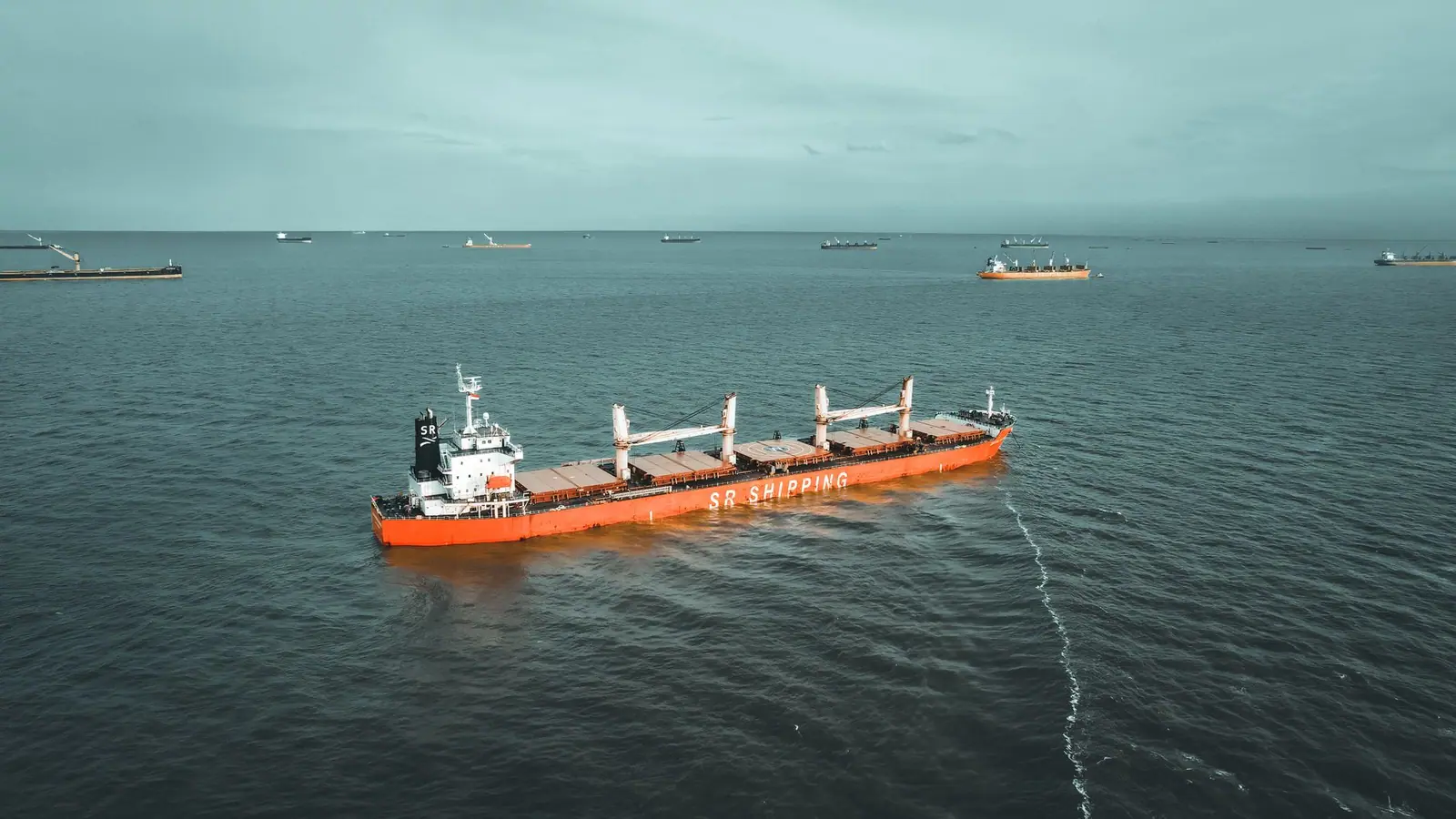
Hristov said a moratorium on attacks in the Black Sea, where Russia is waging aggression against Ukraine, would mean an end to all hostile military action there, and it will not happen overnight. Even if strikes on ships stop, the sea is full of mines that will take years to clear. Environmental damage from sunken ships remains, as does a high insurance risk that keeps shippers away.
The deputy prime minister advised waiting for the investigation before commenting on the attacks in Bulgaria's exclusive economic zone. They are part of the war Russia has waged against Ukraine since February 2022. Nobody in NATO wants to invoke Article 4 and Article 5 of the Washington Treaty, he said, because that is a step towards escalation and war.

Comments (0)
No comments yet.