
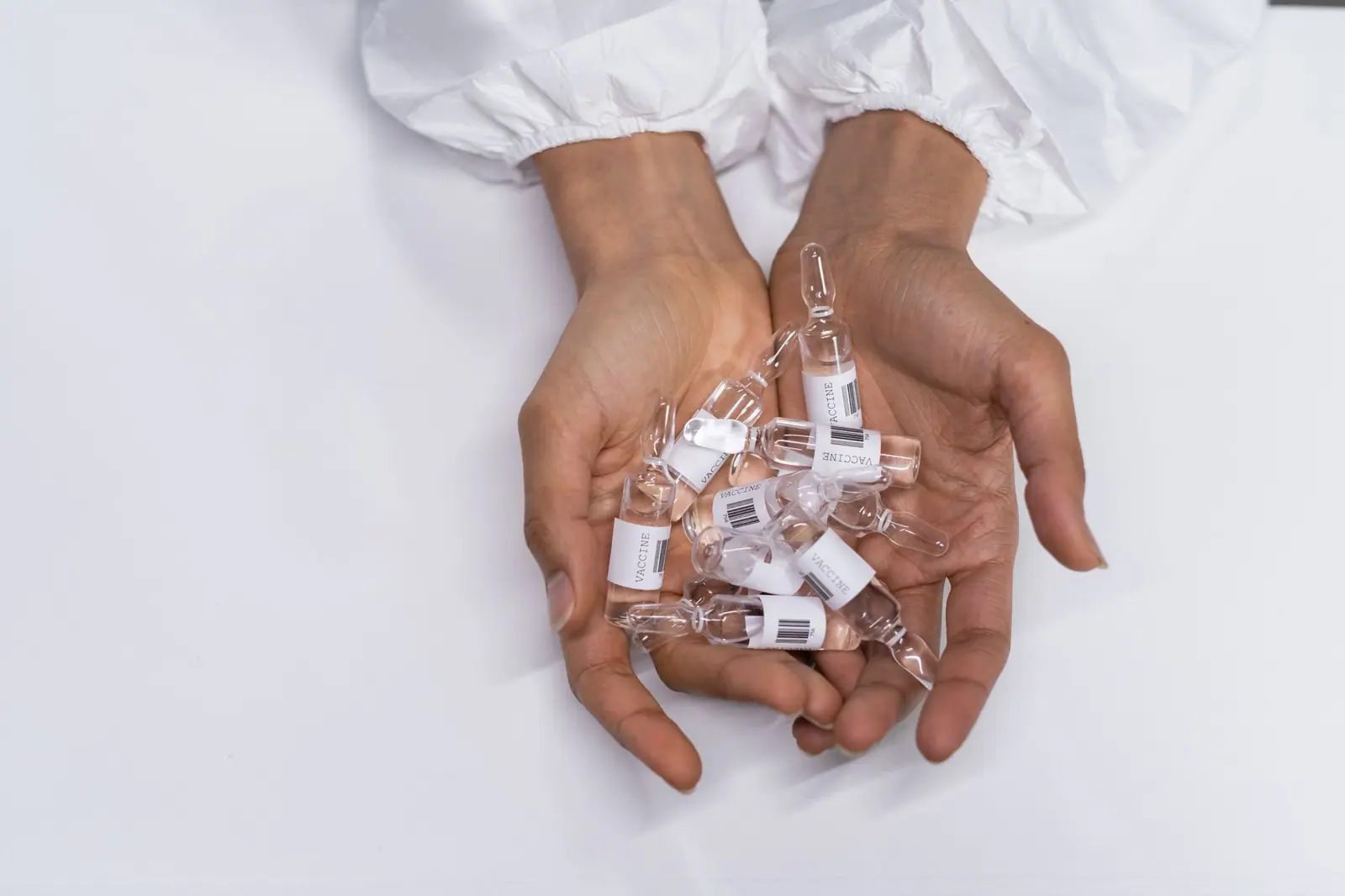
The European Medicines Agency (EMA) has approved naloxone as a nasal spray and recommended that EU countries sell it over the counter in pharmacies. Naloxone is an antidote to opioid overdose, most often from fentanyl.
Bulgaria's Positive Drug List does not yet include naloxone. Supplies have been very hard to get for a long time, and the Ministry of Health and the Interior Ministry are looking for a quick fix.
Dr Desislava Velkovska, head of the drug policy directorate at the Health Ministry, said that while naloxone is not on the Positive List, public money cannot pay for it or supply it. The drug is also not in the register of maximum prices, and without that it cannot be sold freely in pharmacies. For that, the product must have a price.
The only maker with a licence to sell it in Bulgaria has so far shown no interest in registering the product. Now the licence holder is ready to register it under the new rules for over-the-counter sales. The Health Ministry expects that sales without a prescription will raise traders' interest in the Bulgarian market. The spray will not be in pharmacies for at least 5 months.
Pharmacists see no problem with free access. The spray is easy to use and can raise the chances of survival for drug users who overdose.
Until then, all emergency departments in the country have naloxone, the ministry said. Hospitals buy it as a product that is not registered in Bulgaria, and the stock will last at least a year.
Fentanyl appeared in Bulgaria in 2024 and is spreading fast. Traces of it were found in 17% of used syringes in Sofia and 94% in Plovdiv. More than 100 people have died of overdoses in the country.
Emergency doctors see the threat most clearly. In their emergency bags they carry only naloxone ampoules for injection. "Naloxone is part of our work almost every day," Dr Tanya Alekova, a doctor at the Sofia emergency service, told BNT.
In Sofia the drug is given 1 to 2 times in 24 hours, she said. If a person has taken a large amount of opioid, 2 ampoules instead of 1 may be needed for a time. The injected form works fastest.
Prof Georgi Momekov, a corresponding member of the Bulgarian Academy of Sciences and dean of the Faculty of Pharmacy at Sofia University, says naloxone itself carries no risks. It is an antagonist, meaning it blocks the receptors of opioid peptides in the body, and this does no harm. In acute poisoning the breathing centre is suppressed, which is why access to the antidote matters.
"The idea is to have access. Because when acute poisoning sets in, it is a matter of time before the person dies," Prof Momekov told BNT.




Comments (1)
Пет месеца? Сериозно ли?