
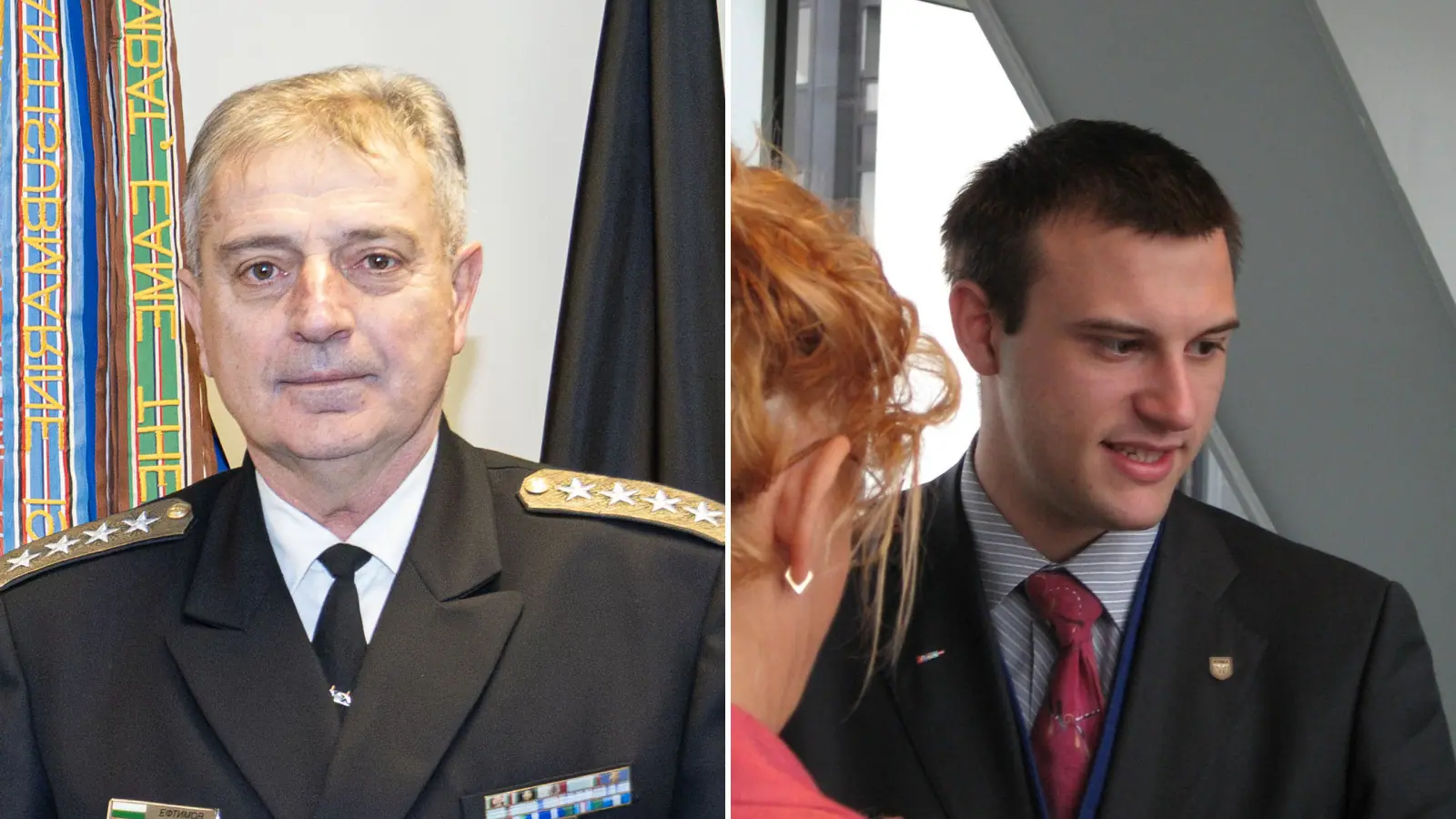
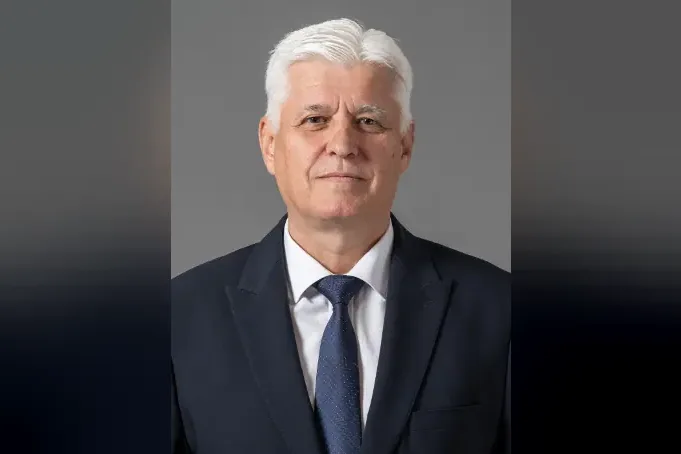
No single anti-drone system can solve every problem posed by drones, so a range of measures is needed, Bulgaria's chief of defence, Adm. Emil Eftimov, said at Cheshnegirovo airfield. He and defence minister Dimitar Stoyanov watched a demonstration of capabilities at the multinational experimental exercise BOLD ADRA 26 (BOAD-26).
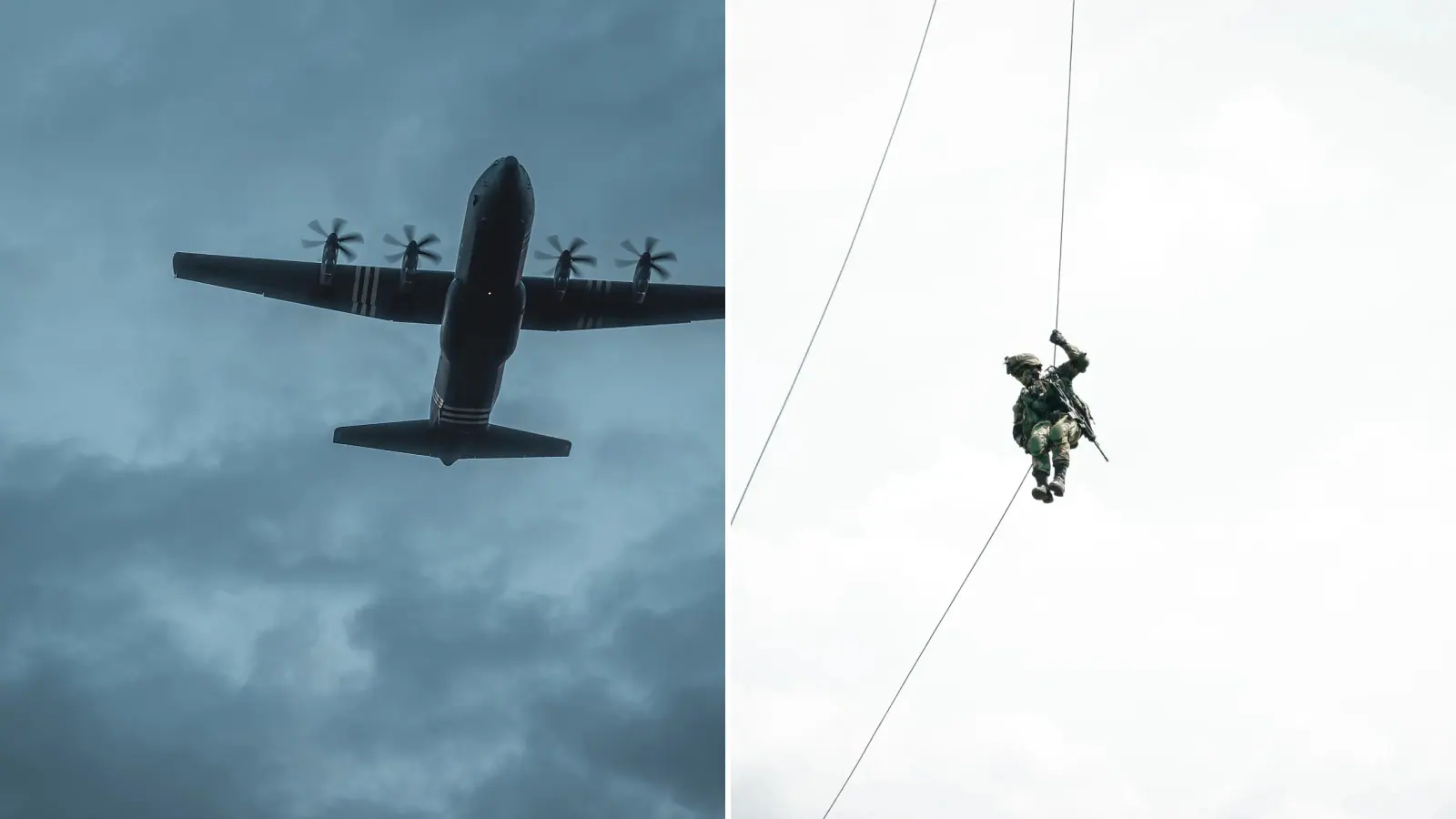
The Defence Ministry said earlier that special forces from more than 15 countries and defence industry firms would show senior guests what they can do. The exercise at the airfield runs from 19 to 23 October.
Earlier report: Special forces from more than 15 countries to show their skills at Cheshnegirovo airfield
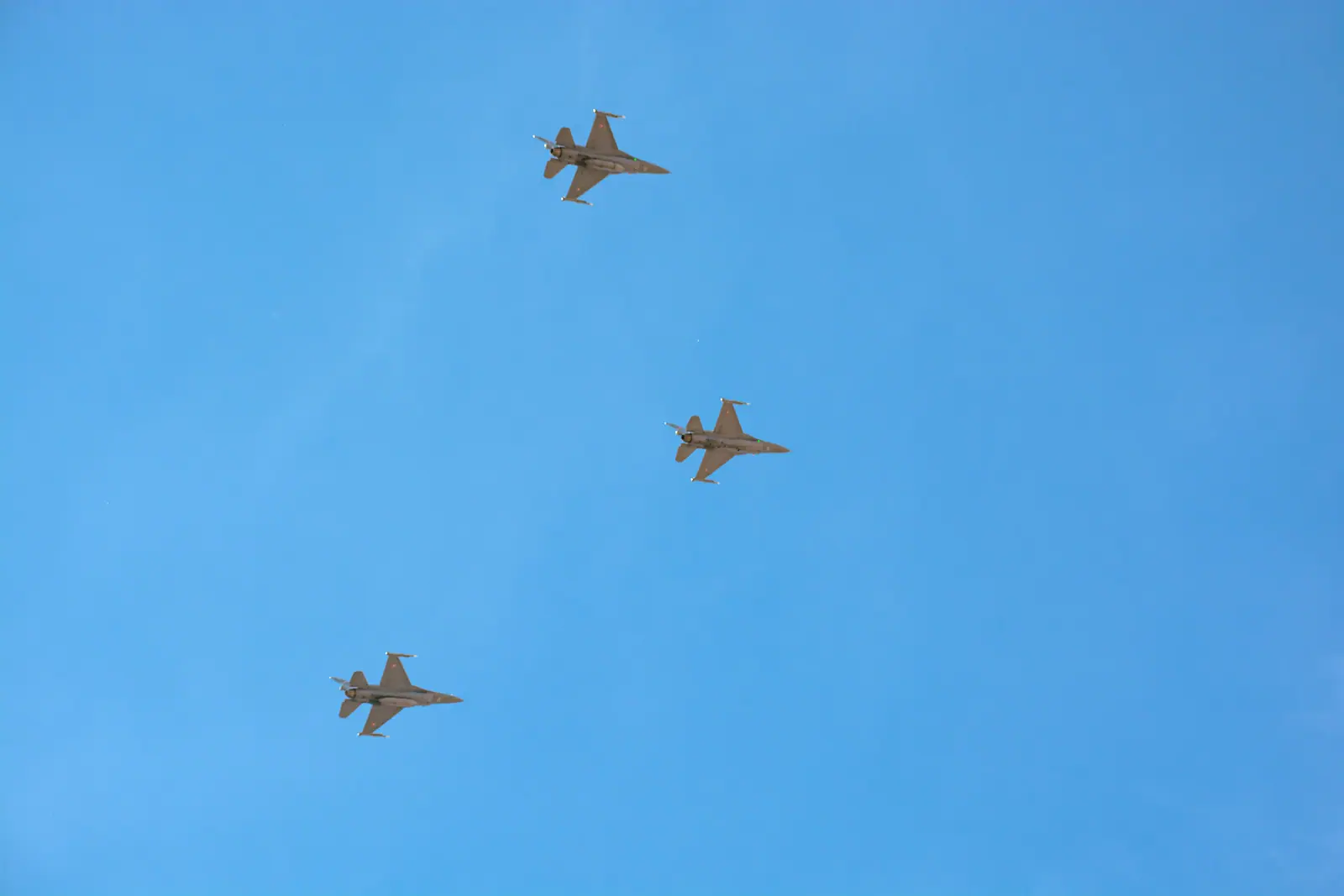
Eftimov said a drone must first be detected, identified and tracked. Then the situation is assessed and a way to counter it is chosen. Drones and their tactics differ, and a modern warship can also serve as an anti-drone tool. "An aircraft, a modern fighter jet, can be seen as an anti-drone system, because it can detect and it can act," the admiral said.
He said the situation must be clear in real time before anyone decides how to neutralise a specific threat. The army collects the data with aircraft, ships, radars and surface-to-air missile systems.
Eftimov called for realism when comparing with the fight against drones in Ukraine. He pointed to Romanian and NATO fighter jets along the Romanian-Ukrainian border, where conditions are different. "Right now the traffic is over Bulgaria. We must see it and get to know it, but also act," the chief of defence said. He said NATO responds in a measured way, based on shared information and analysis, and does not allow escalation. The response is appropriate at both the alliance and national level, he added.
Steps are being taken both in Bulgaria and in NATO. The Border Police is also developing similar capabilities, including anti-drone systems, under EU programmes. The army gets no money from them.
Bulgaria has proposed that NATO's naval component become a centre for military coordination of civilian shipping. Eftimov considers the proposal sound and hopes the alliance will decide on it. NATO and the EU are discussing sea security initiatives, but European efforts to build shared capabilities are at an early stage. If such a centre is discussed, it must rest on information, so the admiral called on the EU to take a practical approach and provide surveillance sensors and tools for collecting data.
Black Sea states are sharing information and working on a naval command for the Black Sea. The work is well advanced, and Turkey leads it because of its capabilities. Eftimov said the command is not meant for drills or demonstrations. It is meant to give a real-time picture of the situation, generate forces and analyse information, so there can be a response to any possible threat.
Exercises with new technology are needed because they let the military tell industry what solutions it needs under modern conditions.
Eftimov said similar experiments have already been held in the Baltic states, Poland and Romania.
Comments (1)
Адмирал Ефтимов... ама наистина ли трябва да има *център* за това? Не можеше ли някой просто да си гледа радарчето по-внимателно?