
🌠 Десетки хиляди микроскопични фрагменти от космически скали навлизат ежедневно в атмосферата на Земята. Повечето са с големината на оризово зърно и изгарят още във въздуха, но онези, които достигат повърхността, крият безценна информация за историята на Слънчевата система.
В Природонаучния музей в Бургас бе открита експозицията „Метеорити“ – впечатляваща колекция, дарена от тандем Андрей Баракшин и Георги Пенев – изследователи и страстни колекционери. Част от показаните експонати са техни лични находки от различни континенти.
В изложбата ще видите основните видове метеорити: каменни (хондрити и ахондрити), каменно-железни (паласити) и железни образци. Те произхождат от места като Швеция, Чехия, Китай, Куба, Чили, Мароко, Намибия и други.
Сред акцентите са метеоритът Имилак, открит в Атакама (Чили) още през 1822 г.; метеоритът Винялес, паднал в Куба през 2019 г.; и известният Челябински хондрит от 2013 г.
Посетителите ще видят и тектити – стъкловидни структури, формирани от удара на метеорити в земната повърхност, както и шоково трансформирани скали от кратери. Мароканските метеорити съставляват голяма част от колекцията, тъй като в региона ловът на метеорити се е превърнал в икономическа дейност.
Седем информационни табла разглеждат ключови въпроси – как се разпознават метеоритите, как се различават от земните скали и как се определя техният произход от Луната, Марс или астероиди.
Специален фокус е поставен върху метеоритните сблъсъци, които са оказали влияние върху еволюцията на Земята – включително онзи, който е довел до изчезването на динозаврите.
Презентация в залата показва влиянието на метеоритите върху планетата и човечеството. Историята на метеоритните находки в България също е представена с любопитни факти.
QR кодове предоставят достъп до допълнителна информация на сайта на РИМ Бургас.
📅 Изложбата ще бъде отворена за посетители на 17 май (събота), от 18:00 ч. до полунощ.
Мистериите на космоса оживяват в Бургас: изложба „Метеорити“ разкрива тайните на Вселената
Яна Илиева
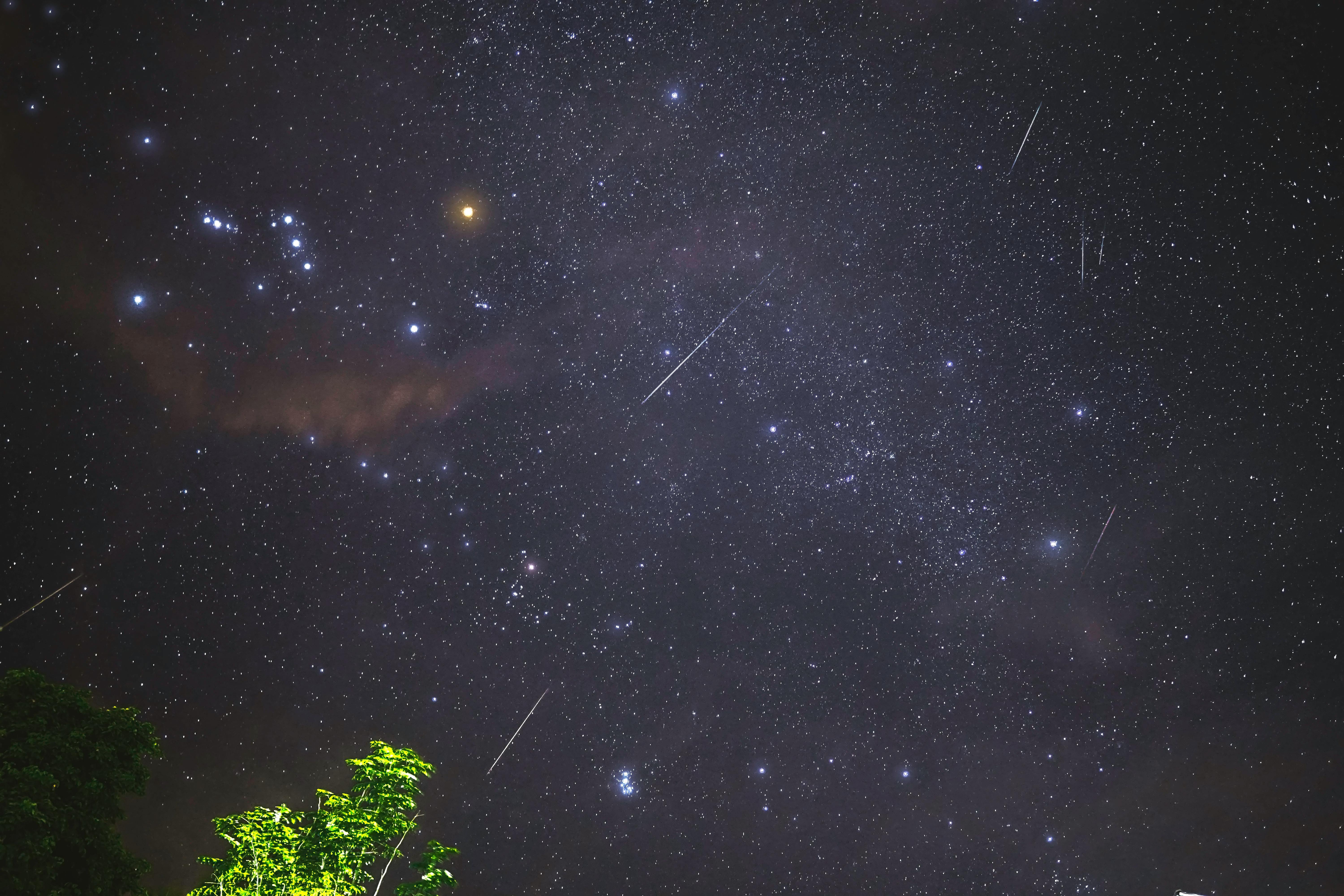
Националният природонаучен музей в Бургас представя уникална колекция от метеорити от цял свят. Изложбата включва редки образци, видео презентация и интерактивни табла, които разказват за произхода на тези космически посланици
Яна Илиева
Автор на тази статия
Отразява културата, изложбите, литературните събития, лайфстайла и темите за вярата и духовността. Търси историите зад събитията – кой стои зад тях и защо си струва да ги видите. Материалите се подготвят с редакционни технологии и преминават редакционна проверка преди публикация.
Детайли за Събитието
- Начало:
- 17.05.2025 18:00
- Локация:
- Националният природонаучен музей в Бургас

Коментари (0)
Все още няма коментари.