
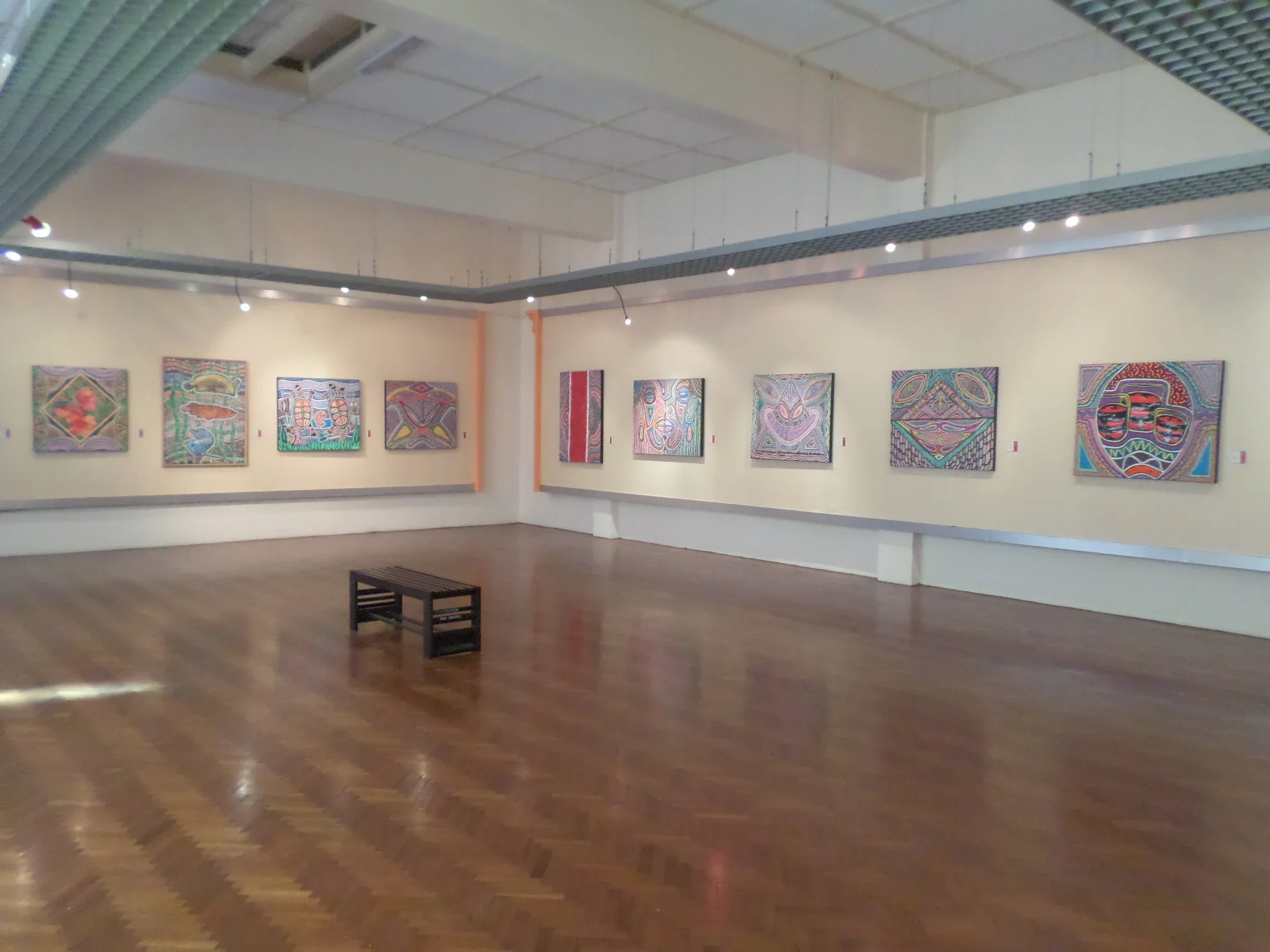
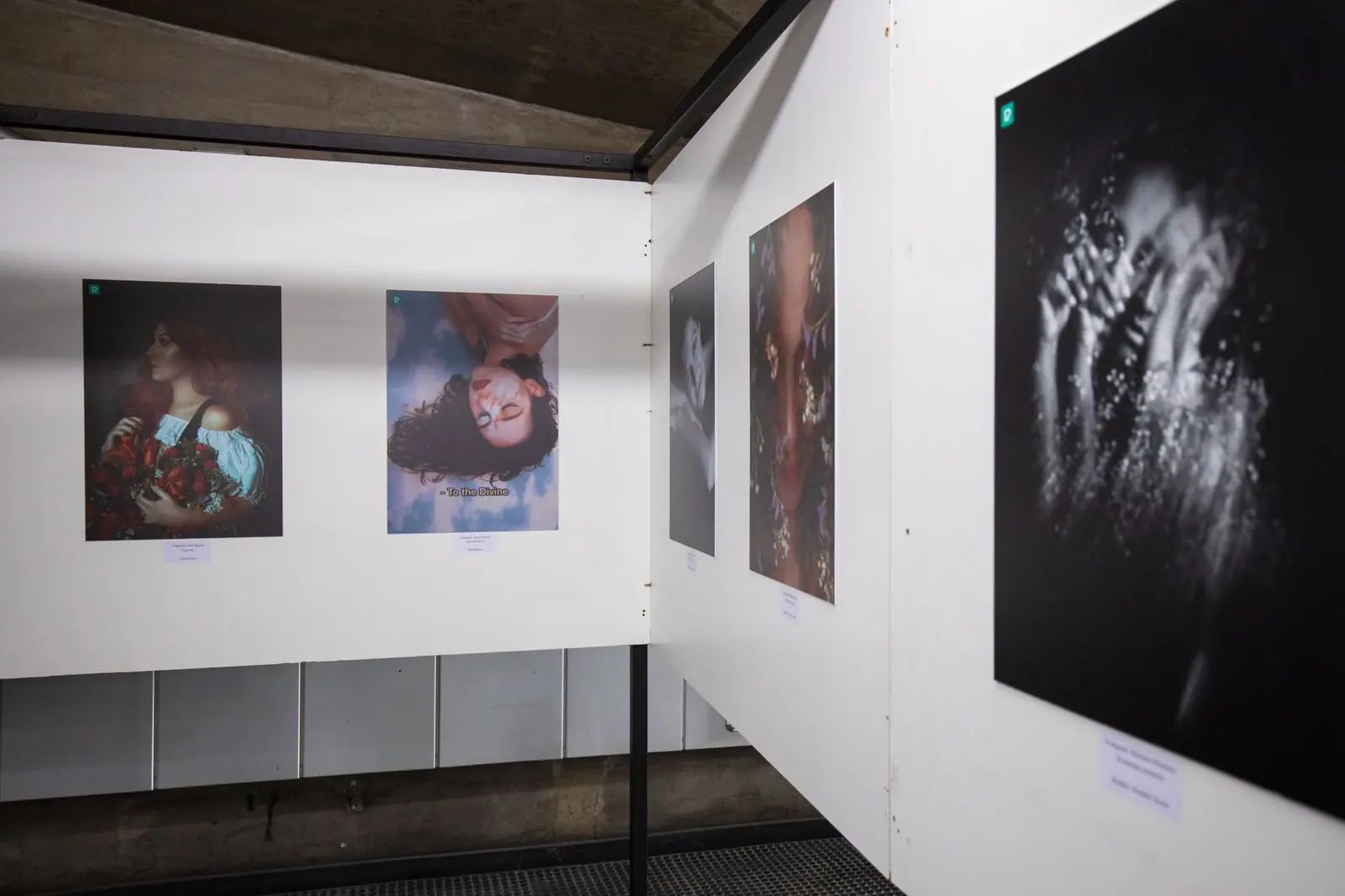
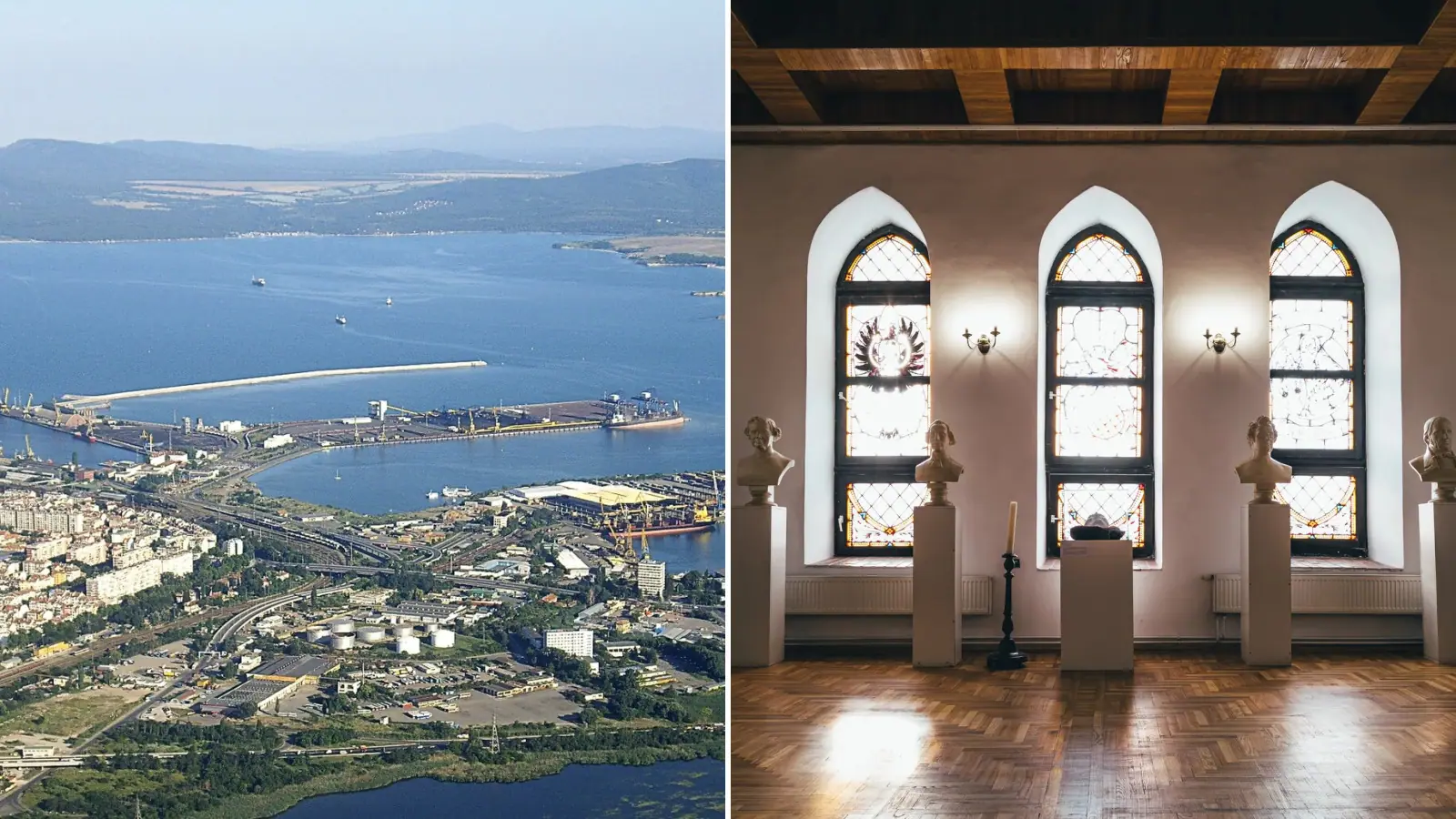
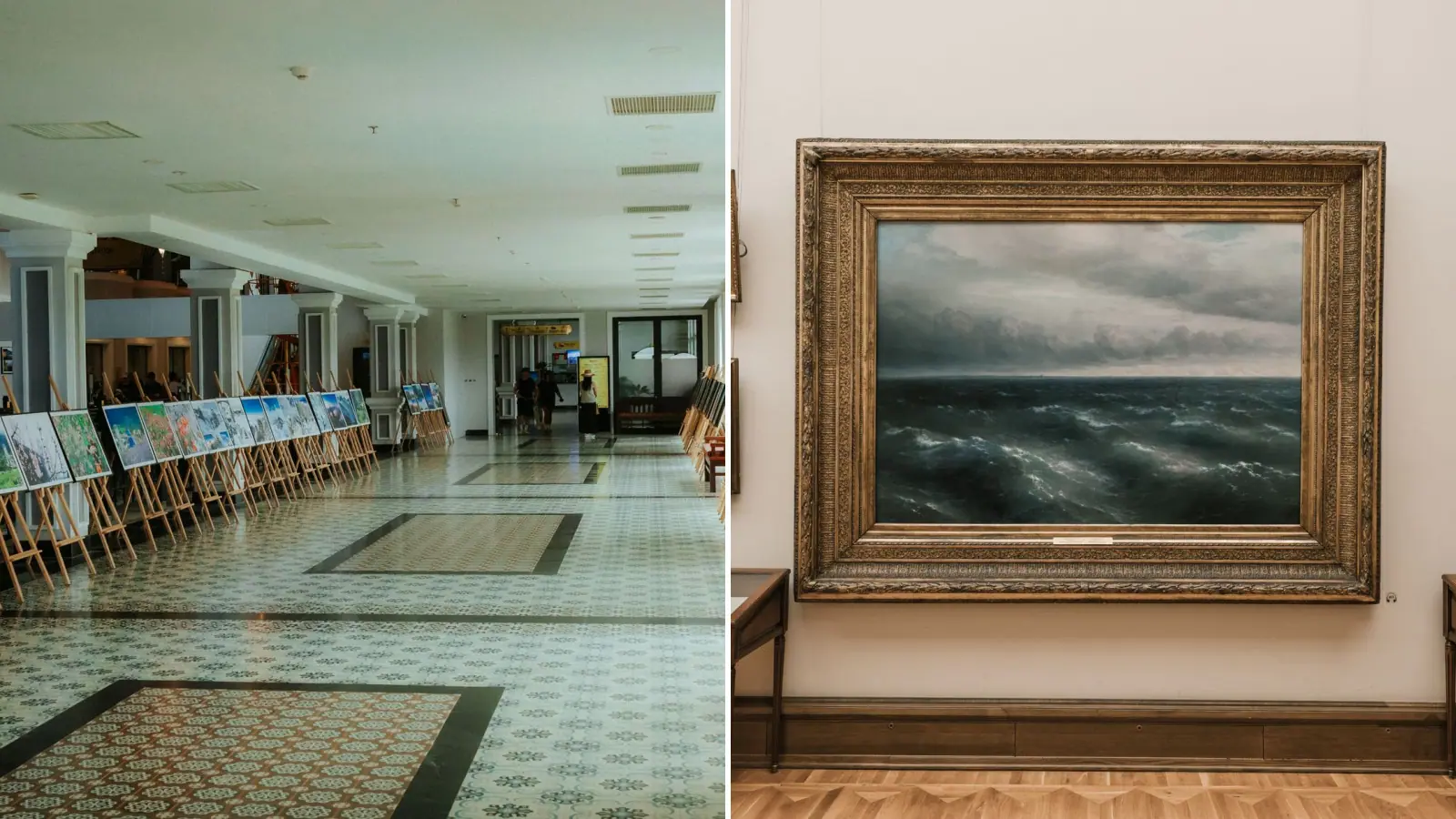
The National Academy of Arts and the Italian Cultural Institute in Sofia have the pleasure of inviting you to an exhibition of the Italian artist Attilio Taverna and a conference: "Pure Visibility in Dora Vallier" between April 16 – May 5, 2026, in the „Atelier“ Gallery of the National Academy of Arts – Burgas Branch /Magazia 1, Port Complex Burgas/.
The conference will be today, April 16, at 11:00 am, and the opening of the exhibition today, at 5:30 pm.
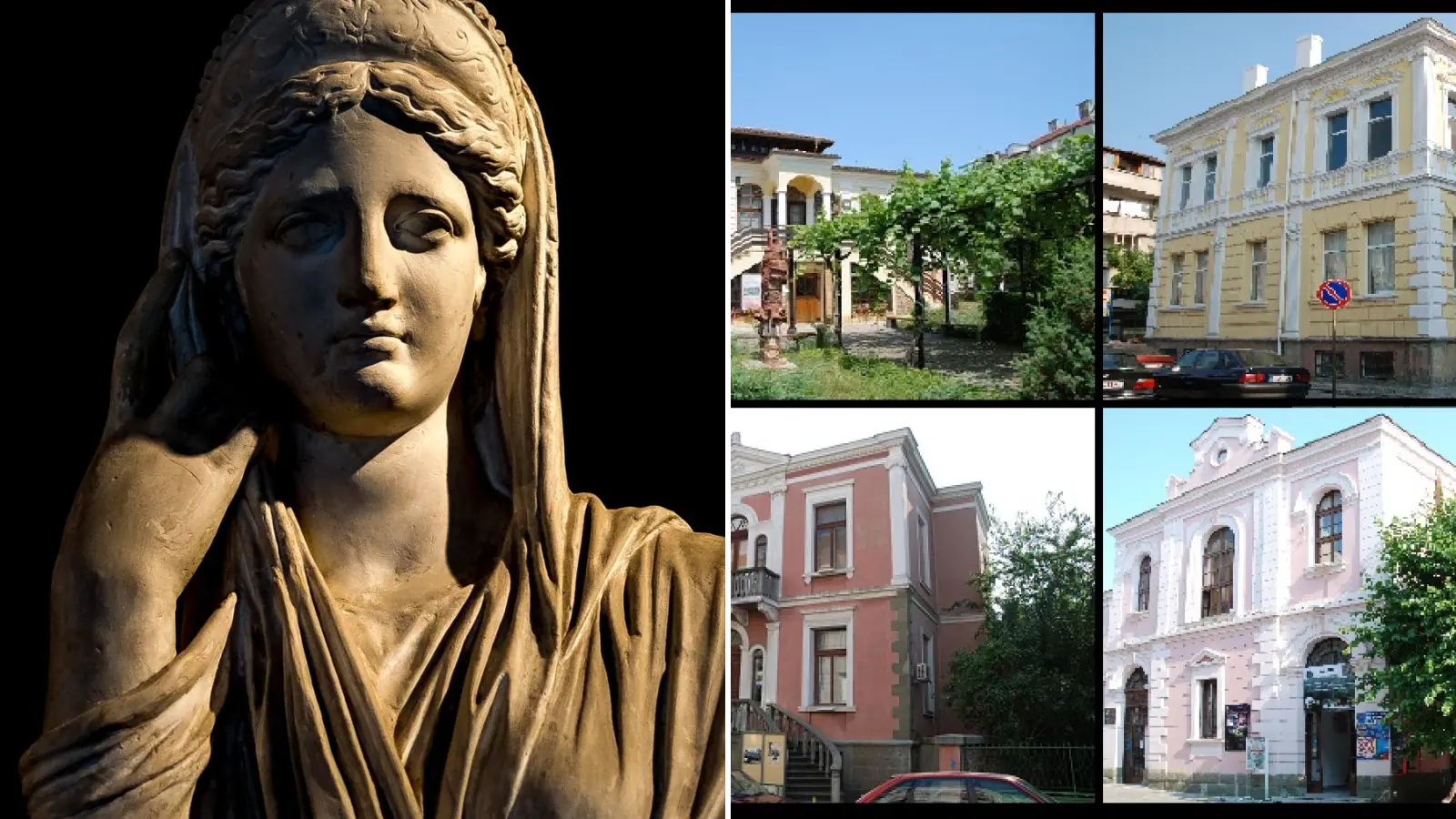
The event is a tribute to the theoretical path of art historian Dora Vallier (1921–1997). She studied Byzantine art in depth and graduated with a dissertation on the topic "History of Byzantine Art: 10 Bulgarian Icons".
It is in this work that the specific interpretative methodology, called "pure visibility", is born, inspired by the concepts of the German philosopher Konrad Fiedler. This idea becomes the main thread through which Dora Vallier explores abstractionism and the work of Georges Braque – co-founder of Cubism with Pablo Picasso.
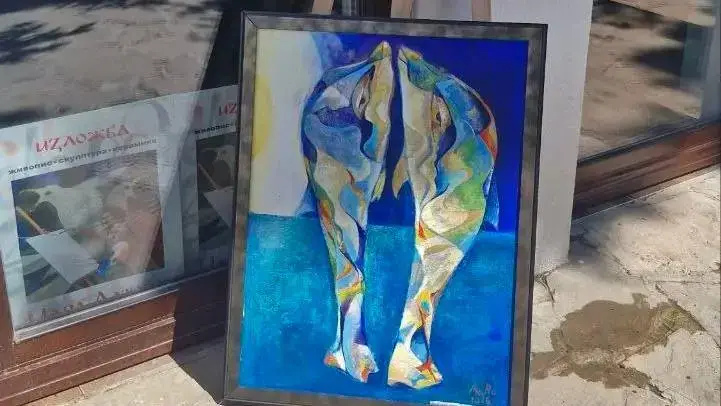
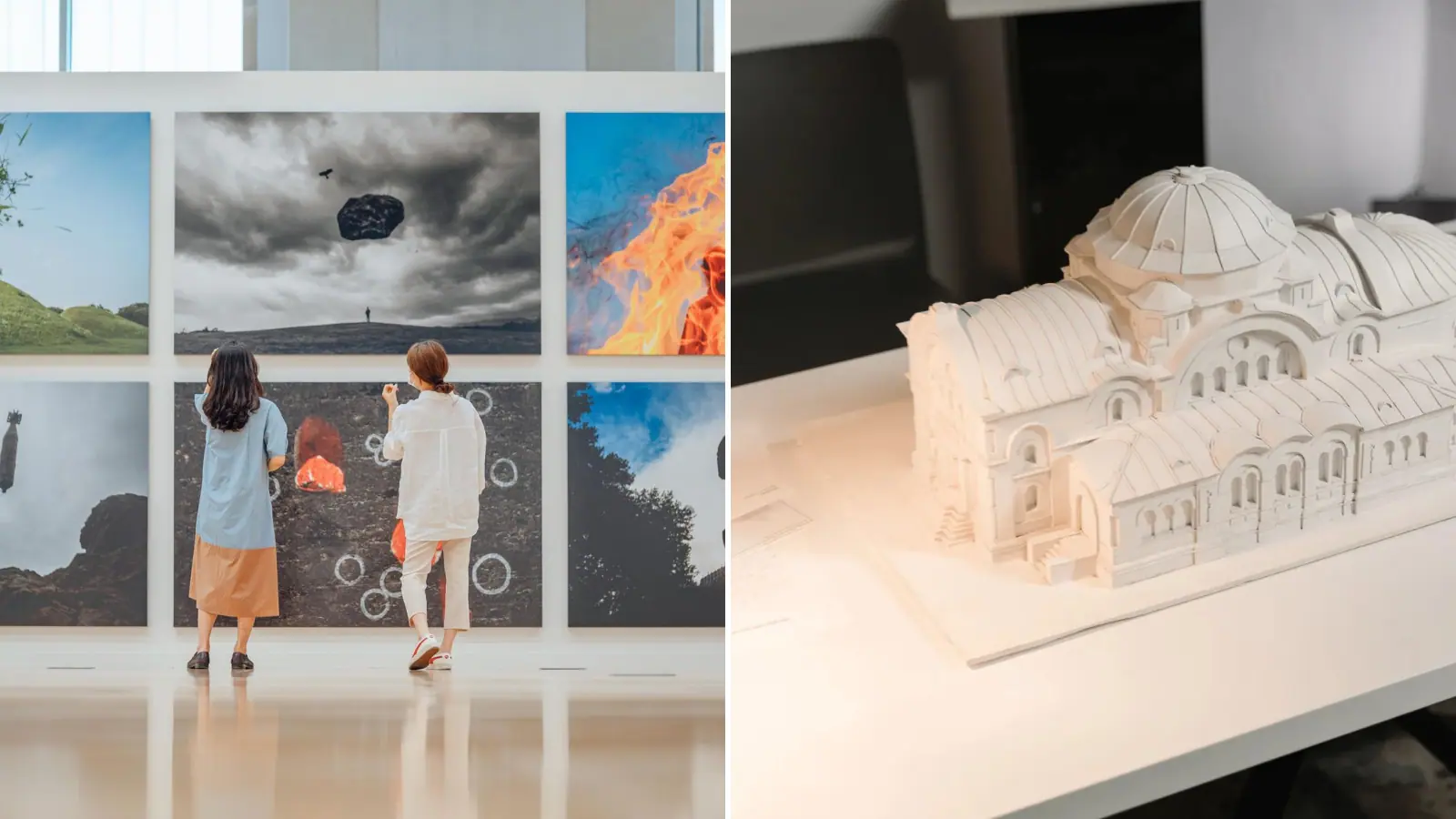
Attilio Taverna's painting is deeply connected with the figure of Dora Vallier and stems from philosophical reflection on nature. His work explores the connections between art, philosophy, and science. Light formalizations of space-time, granular structures, wave vibrational fields and disruption of symmetry: fascinated by physics, Taverna transfers onto the canvas what escapes the senses. He transcends traditional representation to embrace visual abstraction, creating a union between aesthetics, mathematics, architecture, and quantum mechanics.
Attilio Taverna lives and works in Bassano del Grappa (Vicenza). After his studies at the Academy of Fine Arts in Venice and a stay in Paris, he directs his research towards geometry as a means of conceptual exploration. Of decisive importance for his path is his meeting in the 70s with Prof. Dino Formaggio – a prominent philosopher and critic, with whom he began an in-depth study of "the nature of painting". His theoretical work engages him successively at the University of Padua and the "Banfi" Institute in Reggio Emilia.
His work receives high international recognition: in 1998 he won the cover competition for the journal Trends in Neurosciences (University of Cambridge), and in 2004 – for the cover of the Proceedings of the International Congress on Mathematics and Fractal Geometry in Vancouver. His theoretical texts have been published in prestigious publications such as Chaos and Complexity Letters (New York), Canadian Aesthetic Journal, as well as in publications of the Department of Philosophy of the State University of Milan and the Mathesis Association.
You can find more information in the attached files and on the website of the Italian Cultural Institute: iicsofia.esteri.it
Comments (12)
Пич, кво стаа с датите бе?! 2026-та? Шест години за една изложба?! Дано поне нещо свясто ще представят, че чак ми се струва малко... 🇧🇬
Абе т'ва с датата наистина е малко странно, нали? 2026?! Не мога да разбера... ама сериозно ли са го написали така? Явно нщо не са им се получило с организацията явно. Пък и защо Бургас? Ама да видим какво ще измислят все пак, може да се окаже интересно, кой знае! Важното е да подкрепяме културата си, нали?! И
Ей, хора! Добре че се подготвят такива събития - културата ни трябва! 2026-а е малко далеч, ама пък значи
Абе, пичове, кво става с тая дата?! 2026-а??? Сериозно ли? 😂 Ама хайде де, все пак - щом се прави нещо за културата, добре! Бургас е супер град, ама малко странно изглежда там да
Хм, любопитна новина. Често тези събития, които се обявяват с толкова голямо закъснение – 2026 г.! – понякога са само на хартия. Трябва да проследят дали наистина ще има нещо осезаемо и каква е целта на тази конференция посветена на Дора Валие. Интересно ми е как Атилио Таверна, който е известен с доста провокативното си изкуство, ще се съчетае с темата за "чи