
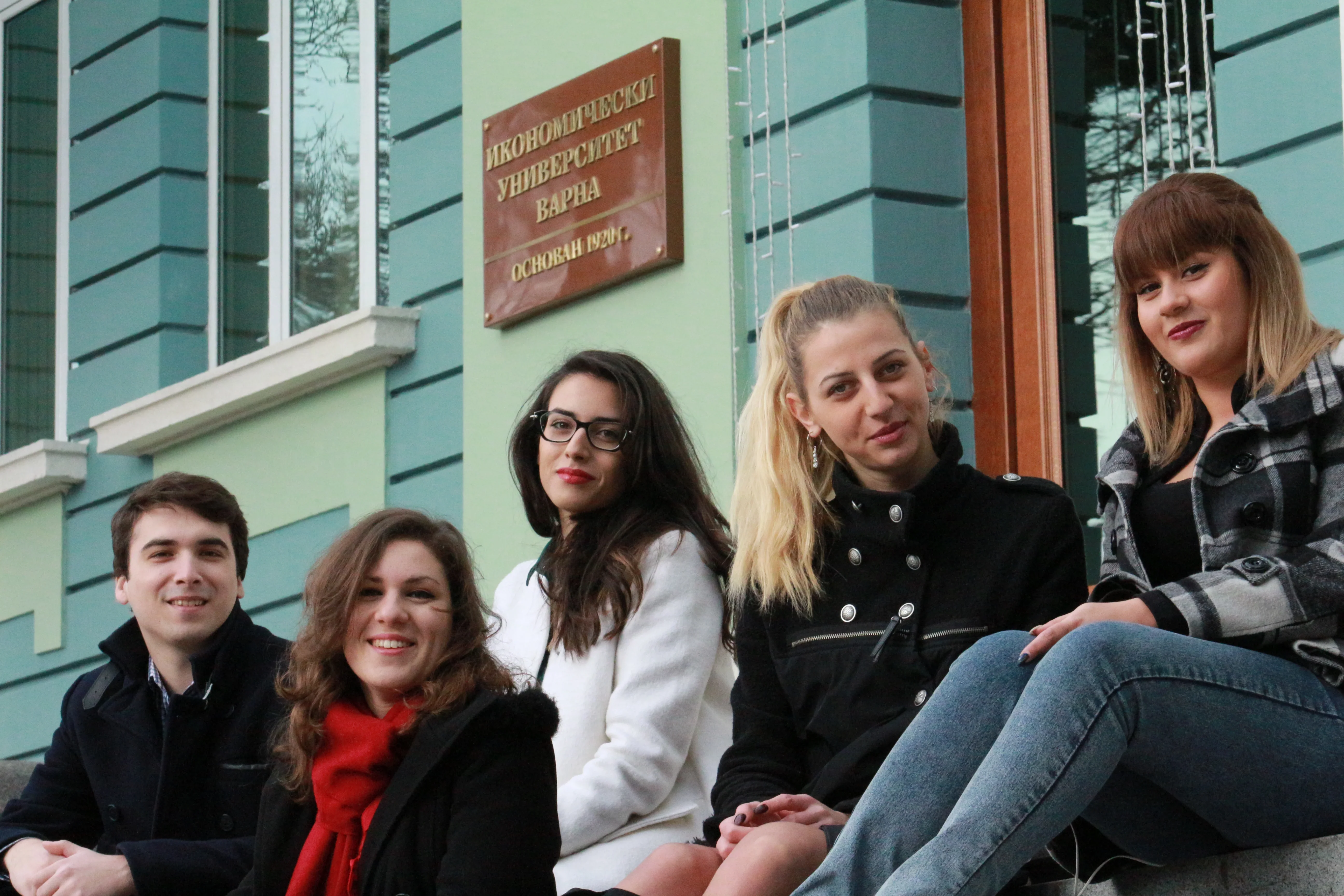
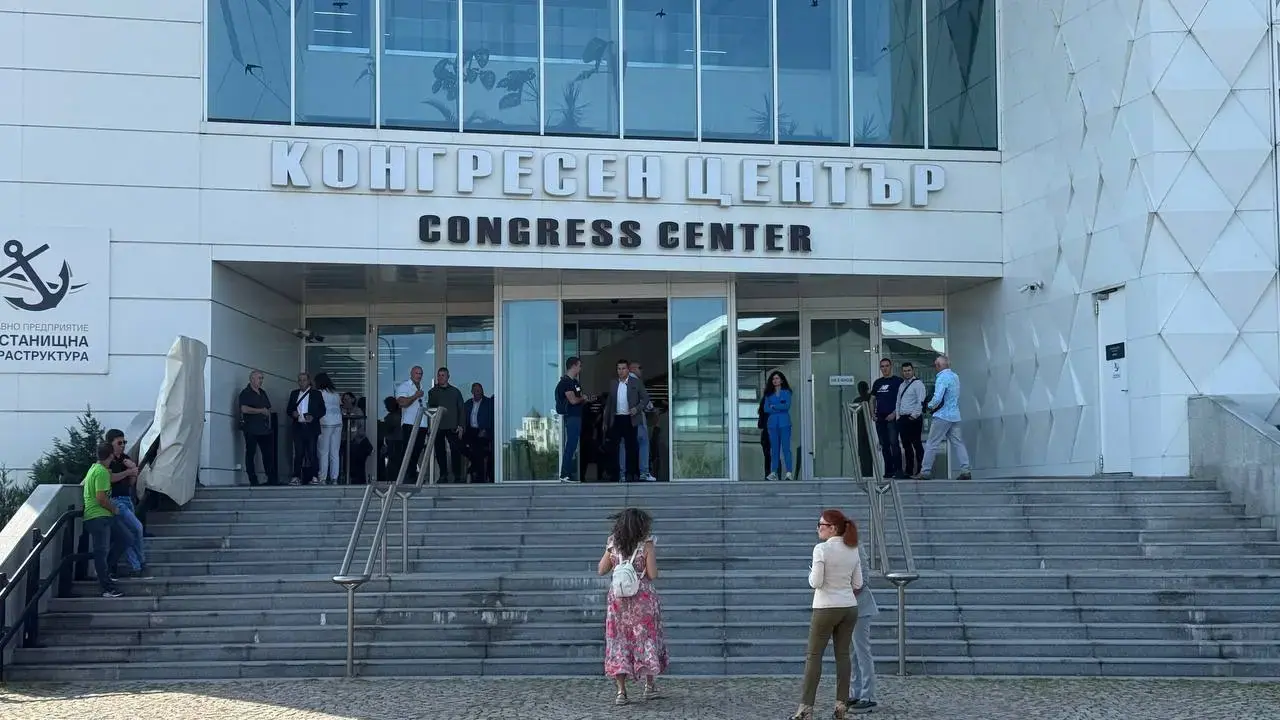
Pleven became the center of something that might seem like a fantasy story — 24 students from economic high schools across the country gathered for the finals of a national competition. Twenty-four participants, each with an idea for a future business that would turn Bulgarian traditions into international success.
But not just ideas. All had to develop and defend projects for companies—completely real ones with potential for growth in international markets. The idea wasn’t just about money. It was about how we can turn our culture into economically valuable assets.
The first place went to a team from Pleven, Ruse and Varna. Their idea was about cosmetic products based on tansy—a traditional Bulgarian plant with rich aroma and skin benefits. Is this just cosmetics? Well, no. This is a business that turns local natural produce into an international product that can be sold to people all over the world.
Second place went to a project with an innovative non-alcoholic spray. And here’s something questionable: tea from the Murshalski region mixed with masterka. Do you think this is just a drink? It’s a product that combines traditional Bulgarian culture—tea and local specialties—with modern concepts for health and sustainability. But what about people in other countries who don’t know Murshalski tea? And what’s the value of such products on the global market?
Third place went to a company offering Bulgarian folk costumes, rugs and koker costumes. Students from Montana, Petrich and Vidin. This is interesting because they’re not just producers—they’re turning traditional skills into modern business. But are such crafts often preserved? Or do we just keep watching museum exhibits instead of living cultural practices?
The final of the competition was full of energy. Participants presented their ideas to a jury—people from business and education. They weren’t just talking about the future. They were talking about real actions: how to build marketing, how to remove barriers, what it means to have an international market.
But one thing makes me ask a question: if these young people are capable of developing such ideas—why does the Bulgarian economy still depend on classic industries or imported products? Or isn’t it possible that these students aren’t just the future of business—but also the key to change across the entire country?
All winners received prizes, awards and certificates. But what will happen after that? Will they try to realize their ideas? Or will they simply remain as one beautiful story—along with dreams and opportunities?
Yes, this isn’t just a competition. It showed that Bulgarian students have the mind, creativity and courage—all it takes for successful business. But the question remains: are the government, investors and society ready to support these ideas? Or will they remain just dreams that never become reality?

Comments (5)
ааа, готино е! 💪 дано повече млади хора се захващат с подобни неща. шипка за
Ей, сериозно ли?! Шипка за козметика?! Не може да е исти
Хм... интересно. Шипка за козметика, наистина ли? 🤔 Не казвам, че е лошо, напротив - страхотно е, че младите хора намираме начин да претворим нашите традиции в нщо модерно и полезно. Но дали наистина има пазар за подобни продукти, а? И как ще се конкурират с големите играчи? Дано успе
Абе, хайде бе! Сериозно ли сега?! 24 ученика с бизнес проекти? Да са живи и здрави момчетата и момичетата, ама кажете ми - 6ипка за козметика наистина ли ще стане нещо голямо? Аз честно казано не разбирам. Шипката е хубаво растение, знам, баба я ползваше за чай и такива работи... ама да мажем лицата с нея? 🇧🇬
Абе, пак ли шипка? 🤦♀️ Добре де, радвам се