
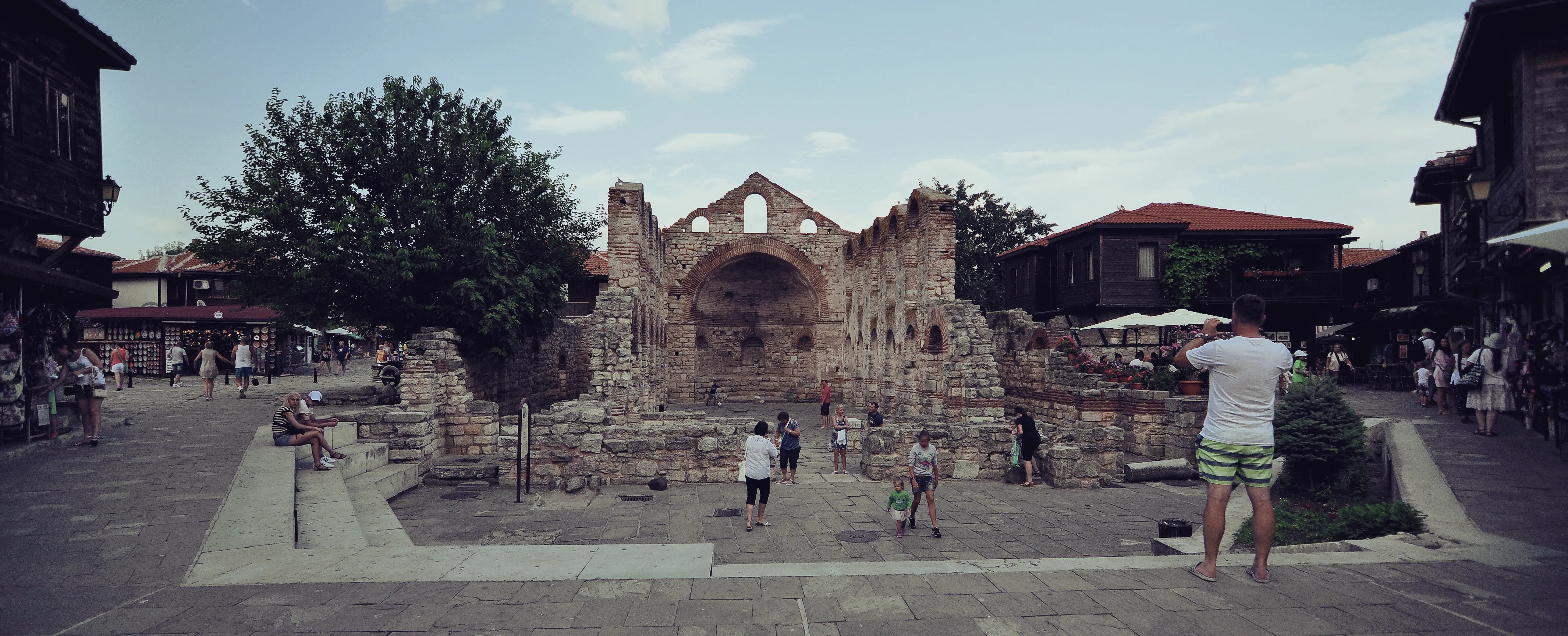
The Hagia Sophia Basilica is a remarkable architectural monument located in the ancient Bulgarian city of Nesebar, which possesses exceptional historical and cultural value. The temple rises as a witness to the centuries-old Christian presence on the Bulgarian Black Sea coast, attracting the attention of researchers and tourists from around the world.
The architectural composition of the basilica reveals the characteristic features of the early Byzantine architectural school, demonstrating remarkable construction techniques from the medieval period. The monumental structure was built in the 6th century, which defines it as one of the earliest Christian temples in these lands.
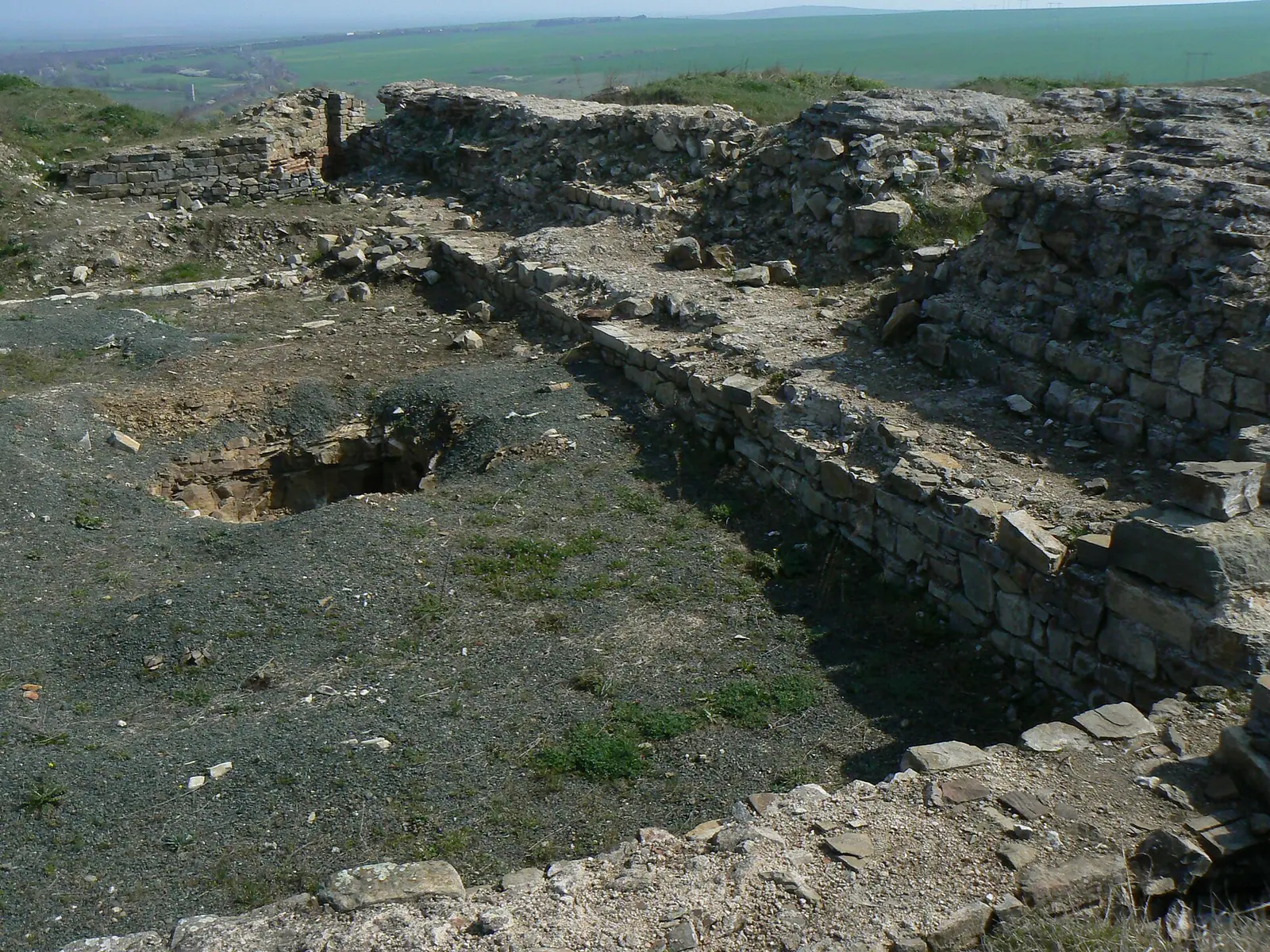
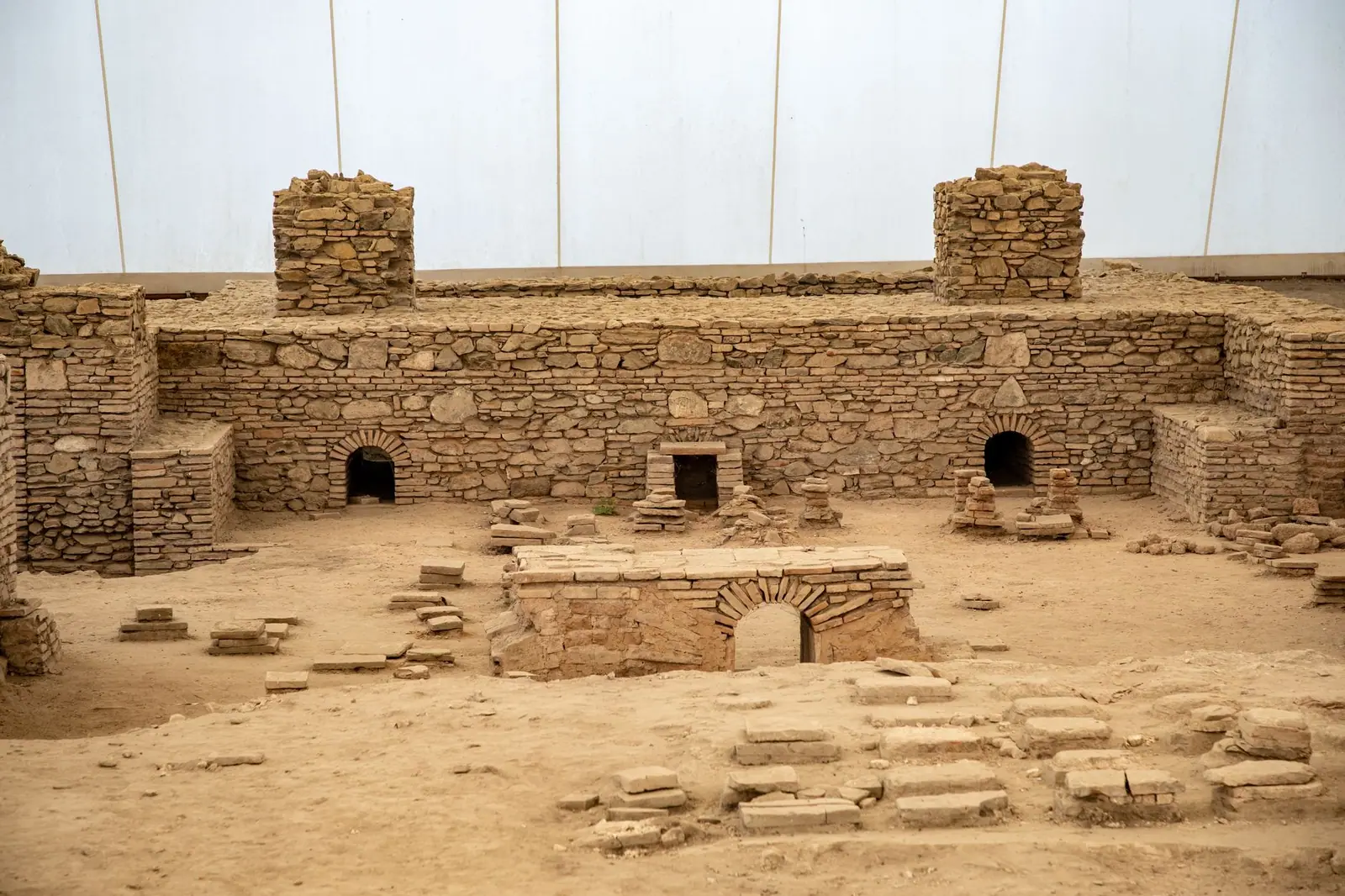
The construction of the basilica follows the classic three-part structure typical of religious buildings from this historical period. The central nave is distinguished by its impressive dimensions, flanked by two side naves that emphasize the symmetry of the architectural solution. The preserved architectural elements reveal extremely precise masonry and masterful stonework.
Archaeological studies reveal that the temple underwent several significant reconstructions during different historical eras. The original 6th-century building was extensively renovated in the 9th-10th centuries, with new architectural elements and decorative details added, reflecting the changing aesthetic perceptions.
The frescoes and architectural ornaments of the basilica testify to the high craftsmanship of medieval Bulgarian builders and painters. The preserved fragments reveal the exceptional artistic skill that characterizes the religious art of this period.
Today, the Hagia Sophia Basilica is part of the architectural reserve of Nesebar, declared a UNESCO World Heritage Site. The monument continues to attract the attention of researchers, tourists, and admirers of cultural and historical heritage, serving as a living witness to rich Bulgarian history.
Comments (8)
факт,невероятнакрасота!
Олеле, яка сграда! 👌 Респект на старите майстори 🏛️
яка базлика, стара ko4ka!
факт, невероятна красота!
Яко древно място, ама туристите все едно нашествие идват 🏛️👀