
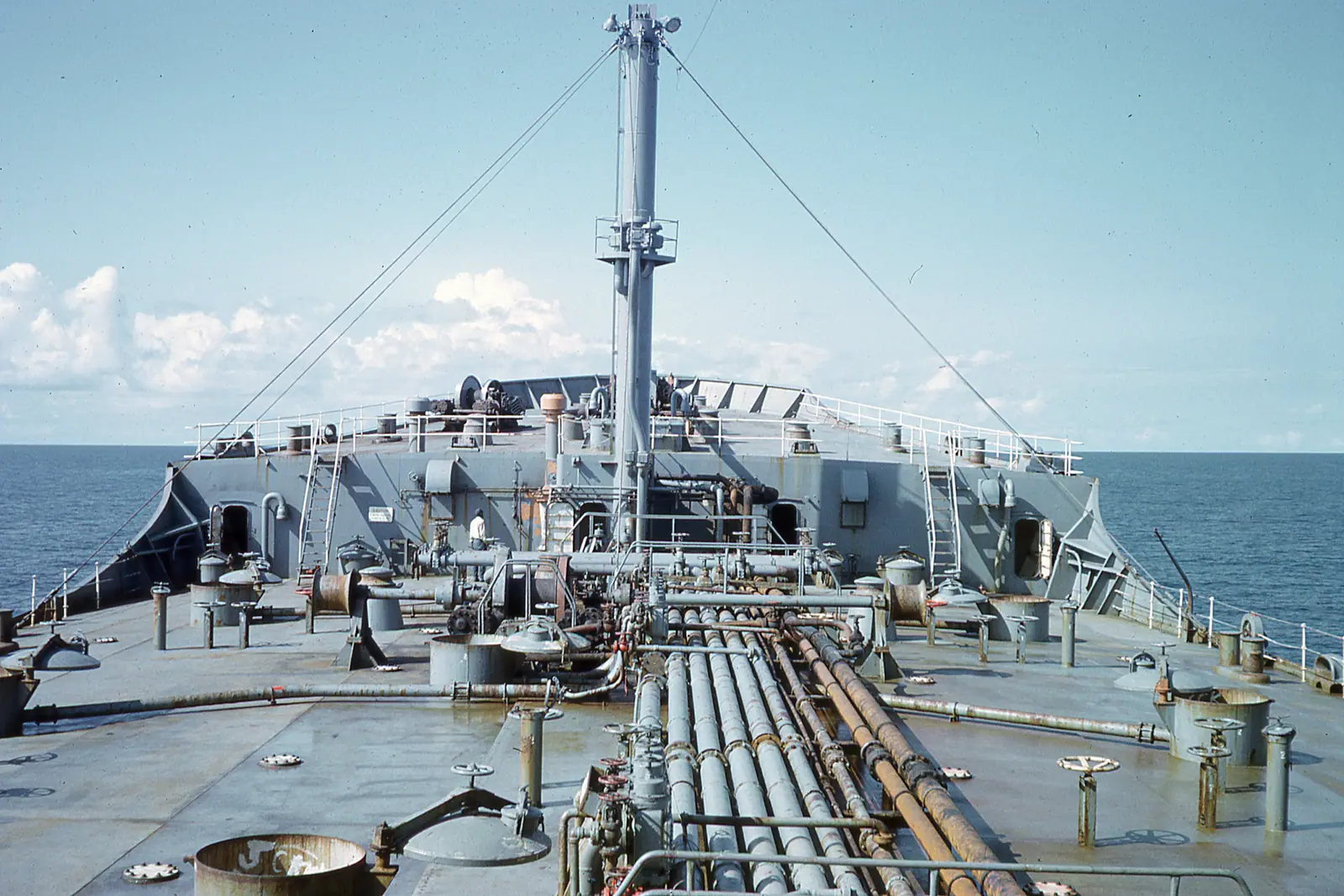
Insuring an oil tanker in the Black Sea now costs $2.5m per ship, Evgeni Simeonov, special commercial manager of Lukoil's companies in Bulgaria, told BNT. A few months ago it was about $200,000.
Insurance has gone up 12.5 times, or by $2.3m for each ship. The reason is the higher risk for ships after the attacks in the Black Sea. Sea transport had already been getting more expensive before the latest strikes.
Higher insurance costs raise the price of shipping crude oil and push up fuel prices in Bulgaria. High transport costs are a risk for the refinery and for the fuel prices that end consumers pay. New attacks could push insurance and shipping costs up further.
Since September, the London marine insurance market has put the whole Black Sea in its high-risk zones, and voyages in such zones must be declared. This does not apply to voyages in the territorial waters of Bulgaria, Romania, Georgia and Turkey.
Two ships were hit on October 6 in Bulgaria's exclusive economic zone in the Black Sea. The tanker Alfa Watan, which sailed under the flag of Togo, sank. The ship Able, flying the flag of Palau, was damaged, and all 18 members of its crew were rescued.
Two more attacks on cargo ships near the Bulgarian coast were reported today, and one of the ships sank. The attacks are carried out with drones and target merchant ships and ports.
International news agencies report that war risk insurance adds hundreds of thousands of dollars to the cost of a single seven-day trip. In August, the benchmark daily earnings of a tanker on the Novorossiysk–Augusta route hit a record $440,948 for carrying 135,000 tonnes of crude oil, 140% more than at the start of July.
Crude oil supplies to Lukoil's refinery in Burgas have not been cut. Simeonov says no delivery has been cancelled so far, and the secured volumes are enough until the start of December.
Simeonov backs lifting the limits on diesel exports from Bulgaria. He says the Burgas refinery makes more diesel than the domestic market buys. When exports are limited, storage fills up and the refinery processes less crude oil. That cuts output not only of diesel but also of petrol, jet fuel and other oil products. The surplus must therefore be allowed to go abroad, he believes, so the refinery can work normally.





Comments (1)
2,5 милиона? да бе, къртица!