
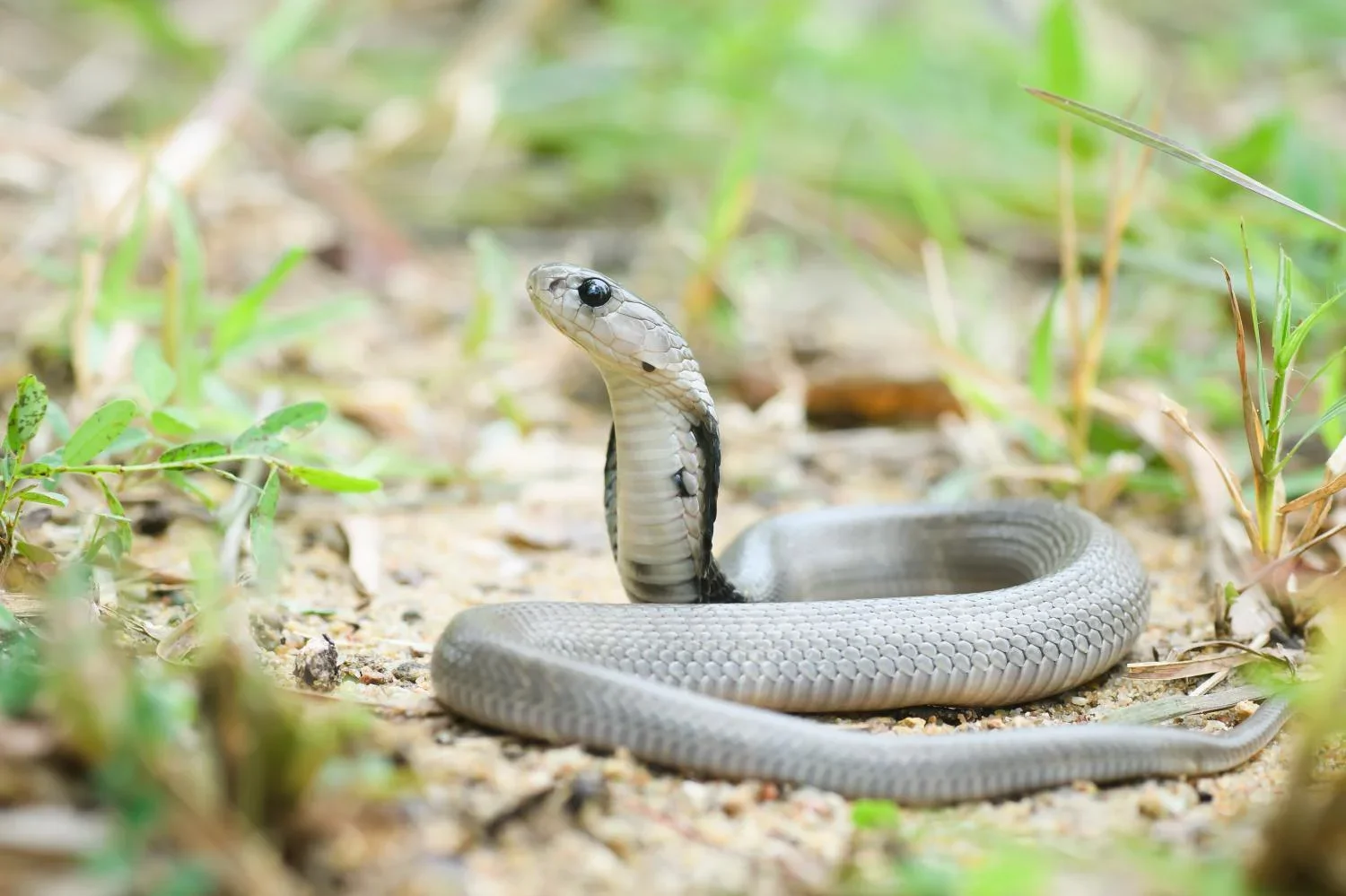
Rising global temperatures will push populations of venomous snakes from the drying inland areas to more densely populated coastal zones, increasing the risk of deadly encounters for millions of people. This is the conclusion of a new study published in the journal "PLOS Neglected Tropical Diseases", which for the first time covers all 508 medically significant species of venomous snakes and models how their habitats are likely to change by 2050 and 2090.
New habitat map: more snakes, more people, the same shore
The study simulates the climate-appropriate areas of 508 species and predicts how they will shift as warming makes part of the current territories inhospitable. With rising temperatures, the authors expect snake populations to migrate to higher latitudes and to more urbanized areas, where conditions will remain more tolerably warm and humid.
The strongest overlap between venomous snake habitats and human settlements is predicted in the countries of sub-Saharan Africa, South Asia, and Southeast Asia – regions that today bear a disproportionately large share of deaths from bites. In other words, climate change threatens to exacerbate the risk precisely where health systems are already most strained and resources for antivenoms are most limited.
Regional hotspots: from Australia to the Indian subcontinent
Australia is emerging as one of the most affected cases of internal redistribution. The models show that a number of species will leave the increasingly dry central parts of the continent and concentrate along the east and southeast coasts, where a large part of the population lives. This calls into question the existing notions of "safer" urban areas versus the "dangerous" outback.
In the Indian subcontinent, in eastern North America, and in some areas of China, a significant increase in the areas where snake and human habitats overlap is predicted. For India, this means a further complication of the already serious problem of snake bites, and for the temperate regions of North America – the possibility of more frequent encounters with species that have been less common until now.
Consistent evidence: climate is redrawing the risks of bites
The results fit into a growing body of scientific publications that link climate change to the redistribution of venomous species. A study published in "Current Zoology" in late 2025 modeled 193 medically significant species and concluded that the risk of snake bites is likely to increase in temperate and cold areas, while in some parts of the tropics it may even decrease.
Another study in "PLOS Neglected Tropical Diseases" from last year predicted that the Indian "Big Four" venomous species – responsible for tens of thousands of deaths annually – will likely shift their range to the northern and northeastern states of the country, as warming changes the environment suitable for them. This means that regions that have so far been relatively spared could become new hotspots for snake bites.
Planet in alarm mode: record heat and altered ecosystems
The new study comes against the backdrop of alarming data on the overall state of the climate. In its annual report "State of the Global Climate", published in March, the World Meteorological Organization confirmed that the 11 years between 2015 and 2025 are the hottest ever recorded, and 2025 ranks second or third in temperature since the beginning of instrumental observations in 1850. The average global temperature last year was about 1.43°C higher than pre-industrial levels.
"2025 began and ended with the cooling La Niña event, but it still ranked among the warmest years in history due to the accumulation of heat-trapping greenhouse gases in our atmosphere," emphasizes WMO Secretary-General Celeste Saulo. This backdrop of accelerated warming puts additional emphasis on the new assessments of the expanding ranges of venomous snakes.
Forgotten tropical disease coming out of the tropics
Venomous snake bites cause approximately 63,400 deaths per year, with the highest mortality recorded in low-income countries with limited access to quality antivenoms. The World Health Organization classifies snake bites as a "neglected tropical disease" of category A – a group of diseases that affect the poorest communities and have long remained outside the focus of funding and attention.
As climate change changes the ranges of venomous species, health systems in newly affected regions may find themselves unprepared to meet species they have never encountered before. This means a lack of appropriate antivenoms, insufficiently trained personnel, and delayed diagnosis – factors that can increase both mortality and the number of people with severe permanent disabilities.
The authors of the study insist that regional strategies for the production and distribution of antivenoms are needed, as well as investments in better diagnostic and epidemiological systems. Otherwise, the "forgotten" tropical disease risks becoming a growing problem for temperate latitudes as well – yet another example of how the climate crisis is blurring the lines between "here" and "there", "tropical" and "temperate" risk.


Comments (7)
Ебати майката! Змии на плажа?! 😱 Ще трябва да си купя малък ба
Ебати цирка стана! Змии на плажа?! Сериозно ли някой се тревожи за змии, като сме затънали в тая криза? Ама да, климатичните промени са си работа... Не знам к'во да повярвам вече. Дано поне не са тия от Дунава, че те са гадни.
хм, интересно. нещо ново винаги изниква... да видим как ще се адаптират местните власти към ситуацията. т
Абе хора, спокойно! Разбирам шока, все пак змия на плажа... малко странно звучи, ама като се замислиш – климатът наистина се променя с бързи темпове. Този факт не трябва да ни изкарва от равновесие, а да ни мотивира да предприемем мерки.
Абе, пак ли ние сме ударили кърпата?! И без климатични промени змии имаше, ама сега ще са на плажа... да видим кой ще ги гони от пясъка - хората 🤔