
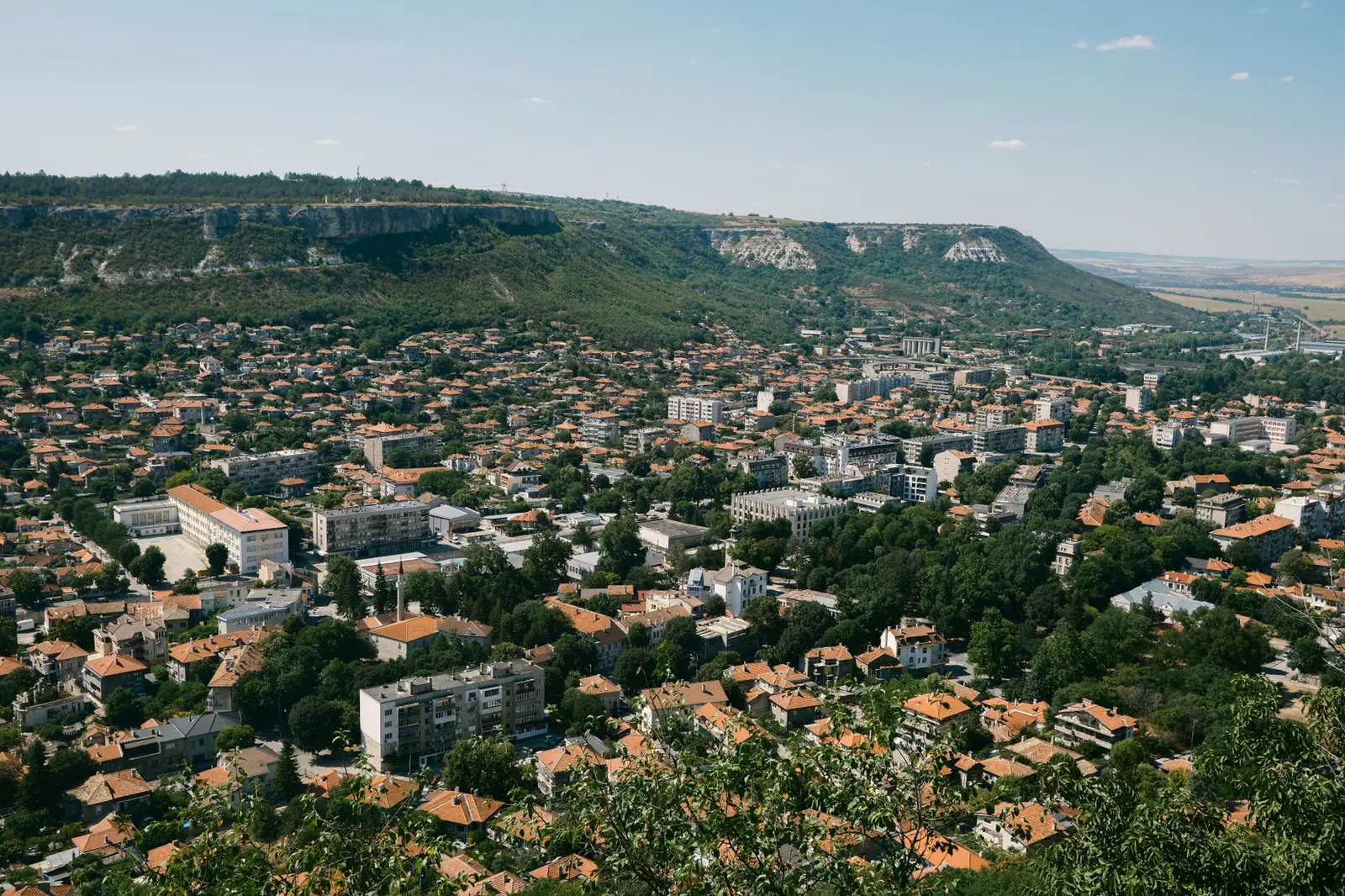
Southeastern Bulgaria lost more economic output than any other region in the EU between 2019 and 2024, according to Eurostat. Its real GDP, which strips out the effect of price changes, fell by 20.5%.
It is the only Bulgarian region where the economy shrank. The other five grew over the same period. South Central grew most, by 25.3%, followed by North Central with 22.9%, the Southwest with 21.8%, the Northeast with 11.3% and the Northwest with 5.8%.
Eurostat compared 2019, the last year before the Covid-19 pandemic, with 2024. Real GDP across the EU grew by 5.6%, but the gaps between regions are big. Of 244 regions, 197 grew, 46 shrank, and Spain's Ceuta saw no change.
Only five EU regions shrank by more than 10%. After Bulgaria's Southeast come Western Macedonia in Greece, down 18%, and Groningen in the Netherlands, down 14%. Next are Sud-Muntenia in Romania, down 13.5%, and South-West Oltenia, also in Romania, down 11.3%.
Ireland had the biggest growth. The Eastern and Midland region, which includes Dublin, ranks first in the EU with 38%. It also leads the EU on GDP per person for 2024. Ireland's Northern and Western region is second with 36.4%, and the Southern region is sixth with 26%.
Outside Ireland, Bucharest-Ilfov in Romania, which includes the capital, grew most, by 33%. Malta follows with 32.9% and the French overseas region of Mayotte with 32.1%.
Almost all capital regions in the EU grew. Helsinki-Uusimaa in Finland is the only one to report a fall, of 1.9%.






Comments (0)
No comments yet.