
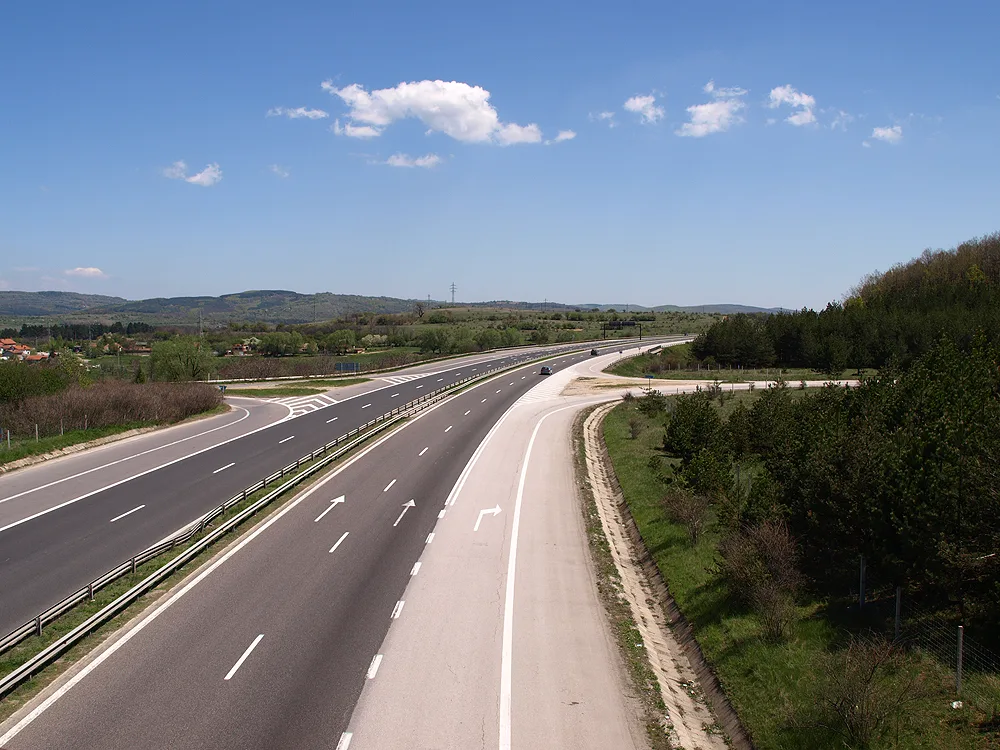
The era of strategic transport corridors has arrived, and Bulgaria is emerging as an essential part of a massive project aimed at connecting three seas. An initiative is being implemented in Europe that goes beyond simple road construction—it is a connectivity concept capable of reshaping the geography, economic landscape, and political weight of entire regions.
The Via Carpatia project, which began as the vision of four nations, has today established itself as a strategic axis for the entire European Union. This corridor is designed to connect the Baltic, Black, and Aegean Seas, passing through the territories of seven countries to become the most important North-South transport artery in Central and Eastern Europe, according to data from Darik Business Review. Bulgaria holds a key position in this new European line.
What is Via Carpatia?
At its core, Via Carpatia is an international road network spanning nearly 3,000 kilometers, designed to provide a link between the Lithuanian city of Klaipėda and the Greek city of Thessaloniki. The project is conceived as a modern system of high-speed motorways and national roads that are being phased in, upgraded, and modernized. The primary goal is ambitious yet logical: creating a continuous transport axis to ease freight traffic, optimize travel times, and generate new economic opportunities. Transport experts point out that the corridor will be crucial for trade between Northern Europe and the Middle East, as well as for strengthening ties between the Balkans and Central Europe.
The history of a strategic idea
- 2006: Lithuania, Poland, Slovakia, and Hungary lay the foundations by signing a declaration to create a new transport axis.
- 2010: Romania, Bulgaria, and Greece join the initiative, and the overall route is extended to Thessaloniki.
- 2017: Poland and Ukraine sign an agreement that includes a Ukrainian section in the project.
- Expectations: The project is already integrated into European strategic plans, with optimistic forecasts predicting its full completion by 2030.
The Bulgarian section: from the Danube to the Aegean Sea
After crossing Romania, Via Carpatia enters Bulgaria via Vidin and relies on both existing and under-construction motorways. The route passes through Montana, Vratsa, Botevgrad, Sofia, Pernik, Dupnitsa, Blagoevgrad, and Sandanski, reaching the Kulata border checkpoint, from where it continues toward Thessaloniki. The total length of this section is approximately 380 kilometers. This infrastructure is designed to turn our country into a transit hub between the Mediterranean and Northern Europe, promising modernization, new logistics zones, and the attraction of investments.
The project also includes another important element: a southern branch connecting Sofia with Istanbul via Plovdiv and Svilengrad. This Bulgarian section is approximately 282 kilometers long and turns our country into a bridge of sorts to Turkey—one of the most significant economic partners in the region.
Geopolitical significance and future benefits
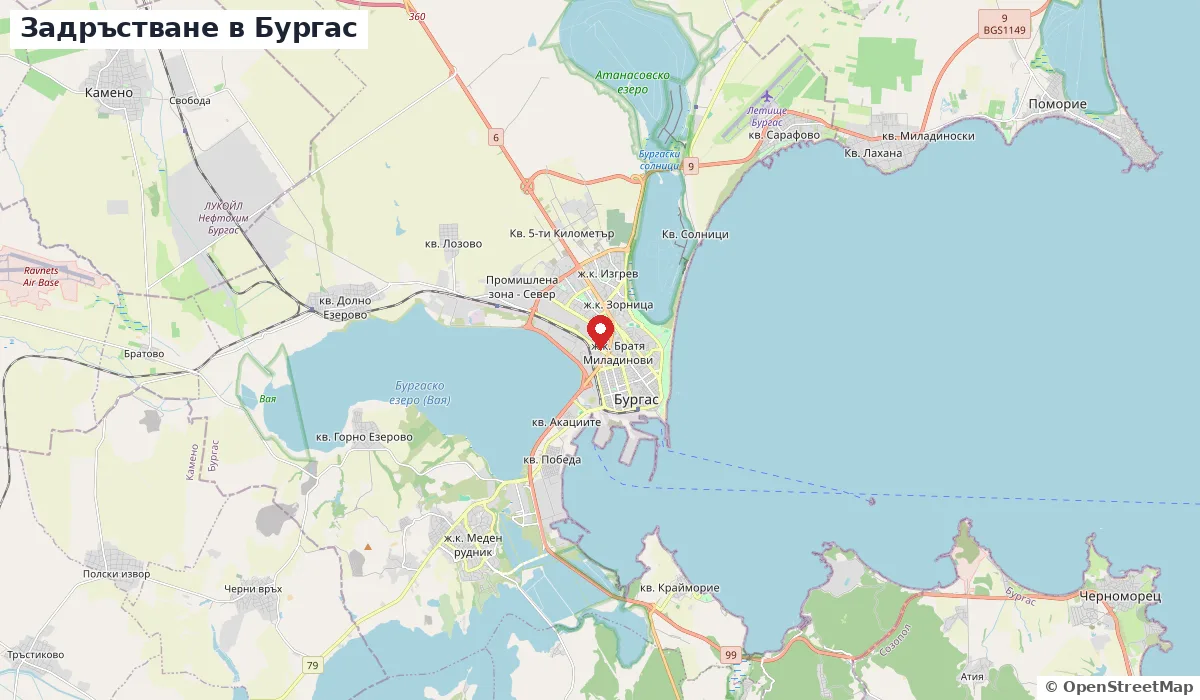
Via Carpatia fits directly into the Three Seas Initiative, which aims to reduce dependence on existing eastern axes and strengthen economic integration. According to representatives from Romania and Greece, the corridor will unite the ports of Thessaloniki, Kavala, and Alexandroupoli with Bulgaria's Varna and Burgas, as well as with Romania's Constanța. This will redraw the logistics map of the region.
For Bulgaria, this project represents a unique chance:
- To solidify its role as a key transport hub in Europe.
- To comprehensively modernize its road infrastructure.
- To stimulate the development of new industries and logistics centers.
- To increase its geopolitical weight by participating in large-scale European initiatives that are changing the future of the continent.

Comments (3)
2030 година?! уау, да видим какво ще стане до тогава! голям кеф е, че българия ще бъде важен център - все пак заслужаваме.
Абе 2030? Надявам се да не чакаме до тогава да оправим пътищата, че майтап.
Да бе, 2030... Току-що си спомних за дънките ми с широки крачоли от 1998-а - пак обещаваха