
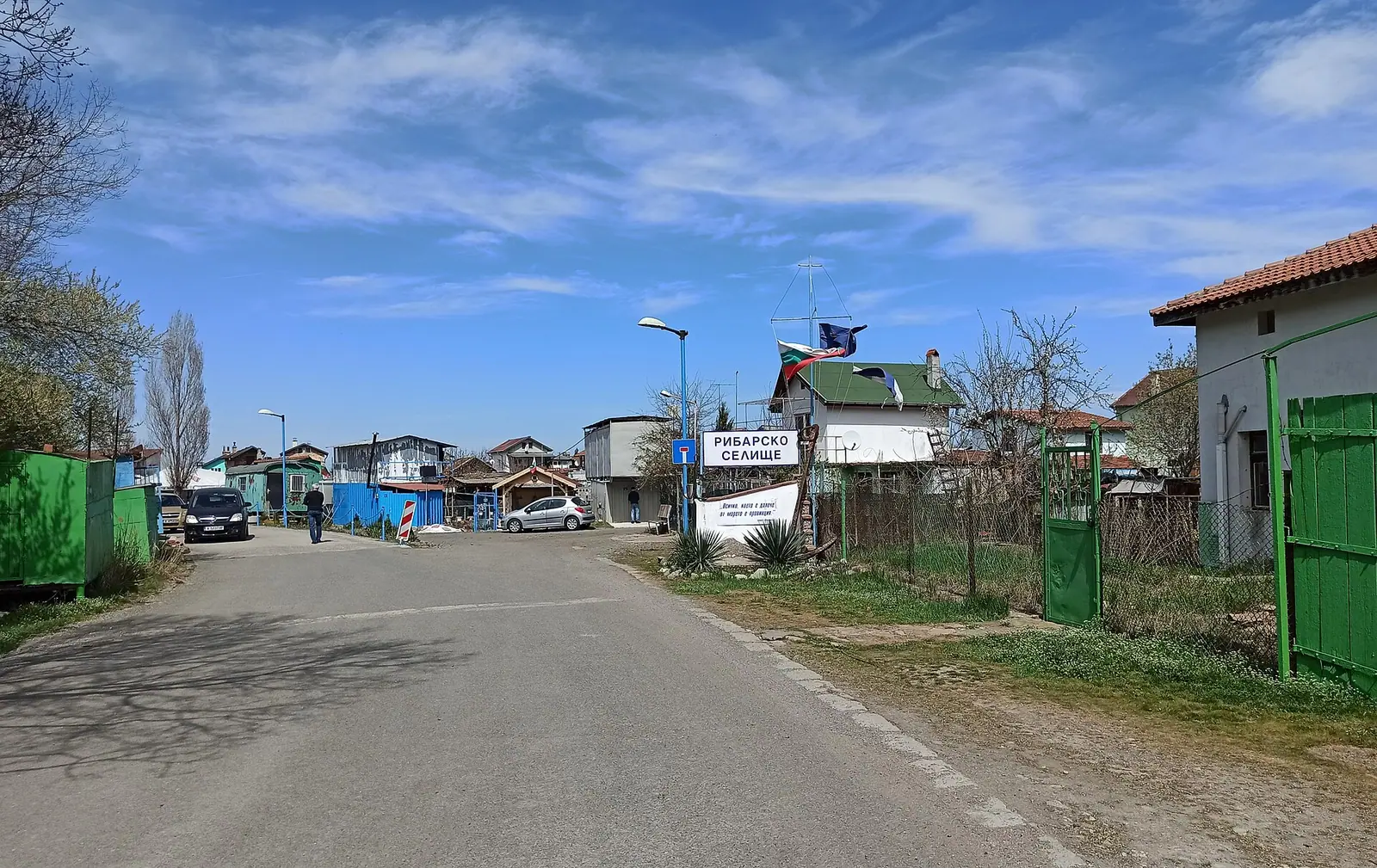
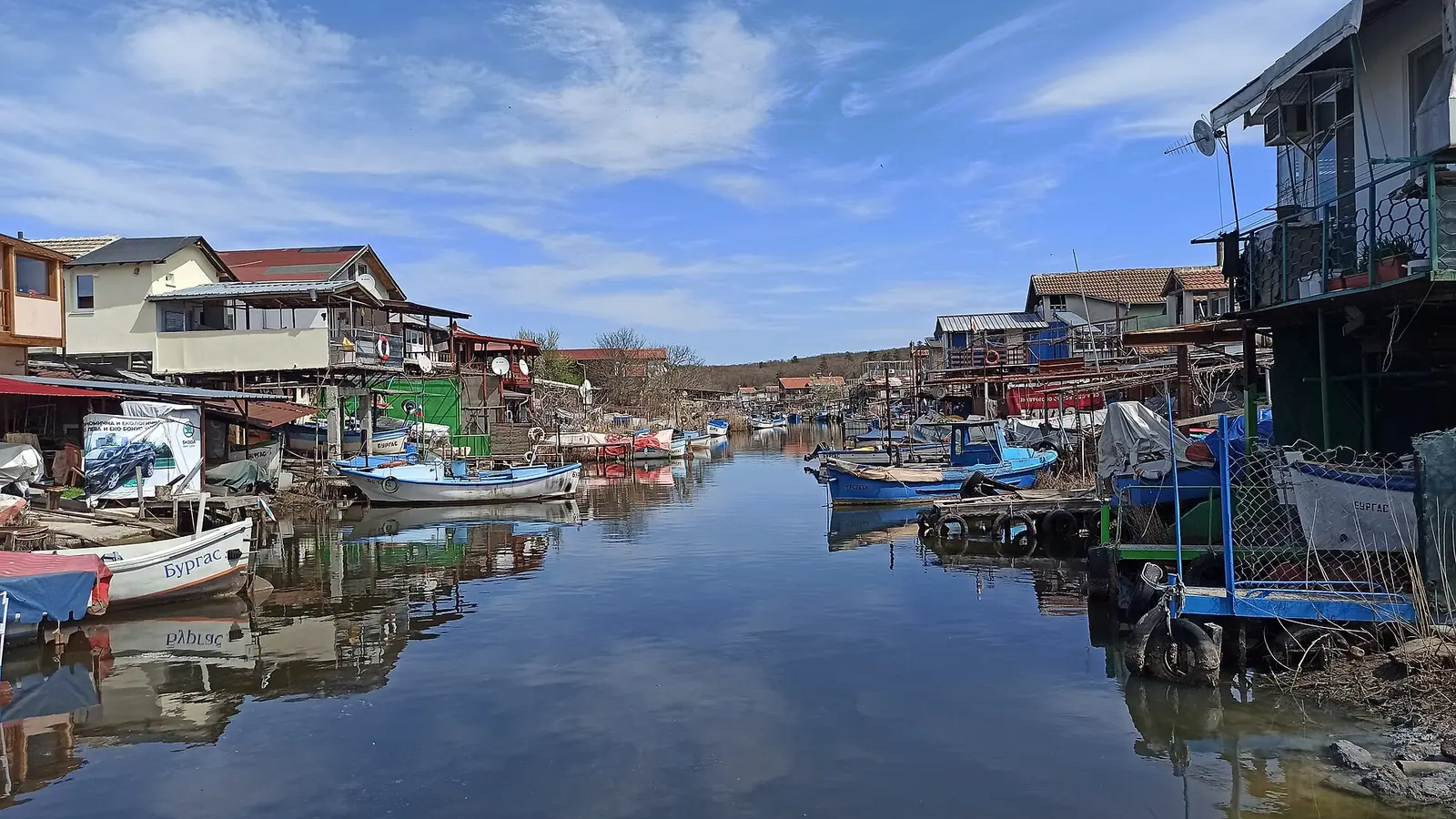
The efforts of local authorities and civil society in Burgas are focused on elevating "Chengene Skele" to global significance. According to Dr. Irena Todorova, Executive Director of the Regional Center for the Safeguarding of Intangible Cultural Heritage in South-Eastern Europe under the auspices of UNESCO, the fishing village is a model of particular importance that deserves to transcend the borders of Bulgaria. "We all reached a consensus, whether from Bulgaria or another country, that "Chengene Skele" is a model of particular importance that must soon transcend national borders and receive international recognition for the way it preserves heritage," she stated firmly during the closing of the International Forum "Maritime Heritage and Fishing Traditions".
Over the course of two days, Burgas hosted representatives from scientific circles, museum specialists, and experts from nine countries. Participants exchanged valuable policies and practices, with Dr. Todorova specifically highlighting the role of local government, represented by mayors and deputy mayors from the Southern Black Sea coast. She expressed her gratitude to the Municipality, the "Burgas 2032" Foundation, the Regional Historical Museum – Burgas, as well as to the representatives of the General Assembly of the Regional Center, UNESCO facilitators, museum directors, and representatives of the National Commissions for UNESCO for the successful organization of the large-scale event.
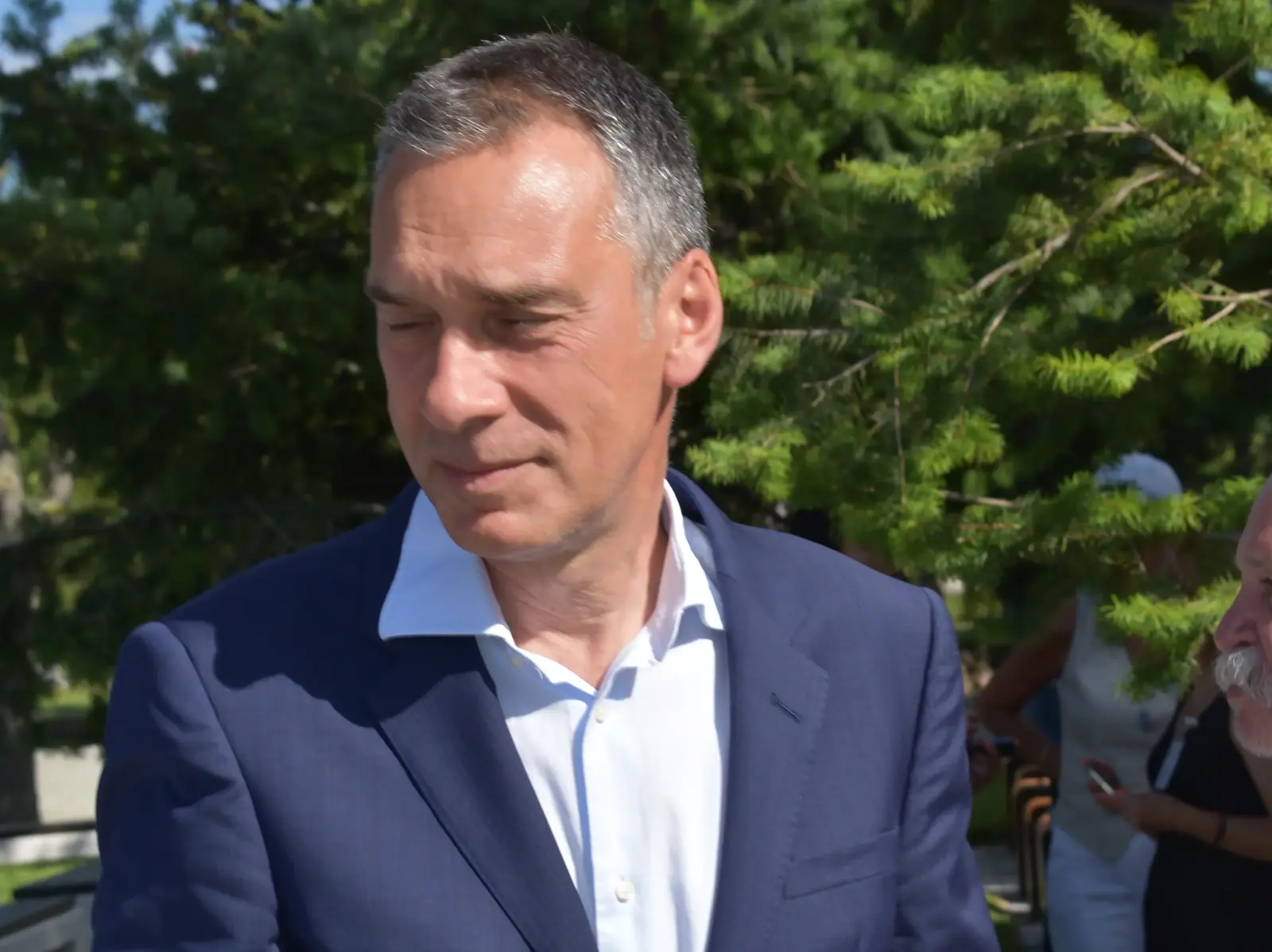
Deputy Mayor for Culture and Religious Affairs Diana Savateva, on behalf of Mayor Dimitar Nikolov and the municipal leadership, emphasized the continuity of generations within the fishing community. "We possess a unique model that we have the confidence to present at an international level – "Chengene Skele". There is an authentic fishing community there, people who still practice this craft today and preserve the knowledge and skills accumulated over generations," Savateva noted. The second day of the forum, held in the courtyard of the Ethnographic Exposition of the Regional Historical Museum – Burgas, focused specifically on these living traditions.
For her part, Ruska Boyadzhieva from the "Burgas 2032" Foundation pointed out that a modern approach to heritage requires shared responsibility. She cited the example of researching local recipes, which are being integrated into restaurant culture to preserve living memory, and added that the country's successful examples, such as the initiatives for the martenitsa and Nestinarstvo (fire dancing), are important benchmarks. This experience serves as an important element in Burgas's preparation for its bid to become a European Capital of Culture in 2032. Dr. Todorova added that through the joint efforts of the Municipality and partner organizations, the city is demonstrating an ambition that could lead to the inscription of local traditions in the UNESCO World Heritage list.
Comments (3)
Ченгене скеле? Има ли някой да знае дали още има
Девет държави в Бургас? Интересно къде точно се проведе форумът, надявам се да е било близо до морето
Ченгене скеле... абе това име ми напомня на една стара песен, ама не се сетих коя точно. Сериозно ли ще го номинират за ЮНЕСКО? Какво толкова има там, освен рибари и лодки? Няма да стане по-хубаво от Свети Влас, нали знаеш как е там...