
Prime minister Rumen Radev has assured MPs that fuel supplies to Bulgaria are not at risk, despite drone attacks on four ships in the country's exclusive economic zone in the Black Sea. He said Lukoil has enough crude oil to last until the end of November, and possibly until mid-December.
This report follows our earlier story on the opposition's demand that Radev appear before parliament, after two ships were hit by drones near Bulgarian waters and one of them sank.
MPs questioned Radev for nearly three hours, along with interior minister Ivan Demerdzhiev, the defence minister and the heads of the security services.
Lukoil's storage base holds 140,000 tonnes of crude, Radev said. Another 420,000 tonnes are due to be unloaded from three tankers in Bulgarian territorial waters. He said the country is also ready for economic pressure caused by disrupted shipping.
The prime minister said he sees no direct threat to ships sailing to and from Bulgarian ports, because they are not a military target. Every ship sails with its transponder on, which gives full data on the vessel and its route, and the attacks are targeted. "Whoever carries them out knows very well what they are hitting, where they are hitting it and when they are hitting it," Radev said.
The government has used all diplomatic channels to get full support from NATO and the EU. It is seeking help with the investigation into the incidents involving the four ships, and for more radar surveillance and air defence along the coast and in the economic zone. According to Radev, surveillance has been stepped up, drones are being used for reconnaissance, and surface-to-air missile systems have been moved.
New drone defence capabilities need money and time, Radev warned. Surveillance, air control and shooting down targets cannot be done with slogans. He admitted that radar, surface-to-air missile and anti-drone cover cannot reach the whole exclusive economic zone, or even the territorial waters.
Radev told MPs about his meetings with Russian ambassador Eleonora Mitrofanova, a representative of the country that has been waging a full-scale war against Ukraine since February 2022, and with Budanov, head of President Zelensky's office. The meeting with Budanov was not announced, at Radev's own explicit request and initiative. Radev said he told Mitrofanova it makes no sense for Ukraine to attack its own ships and crews, since the attacks benefit Russia.
Radev said Budanov gave the same answer to the same question. Moscow denies it, but it is Russia that has been waging a full-scale war against Ukraine since February 2022. The Ukrainian side has asked for gas deliveries through Bulgaria and has again raised the question of the reactors at Belene.
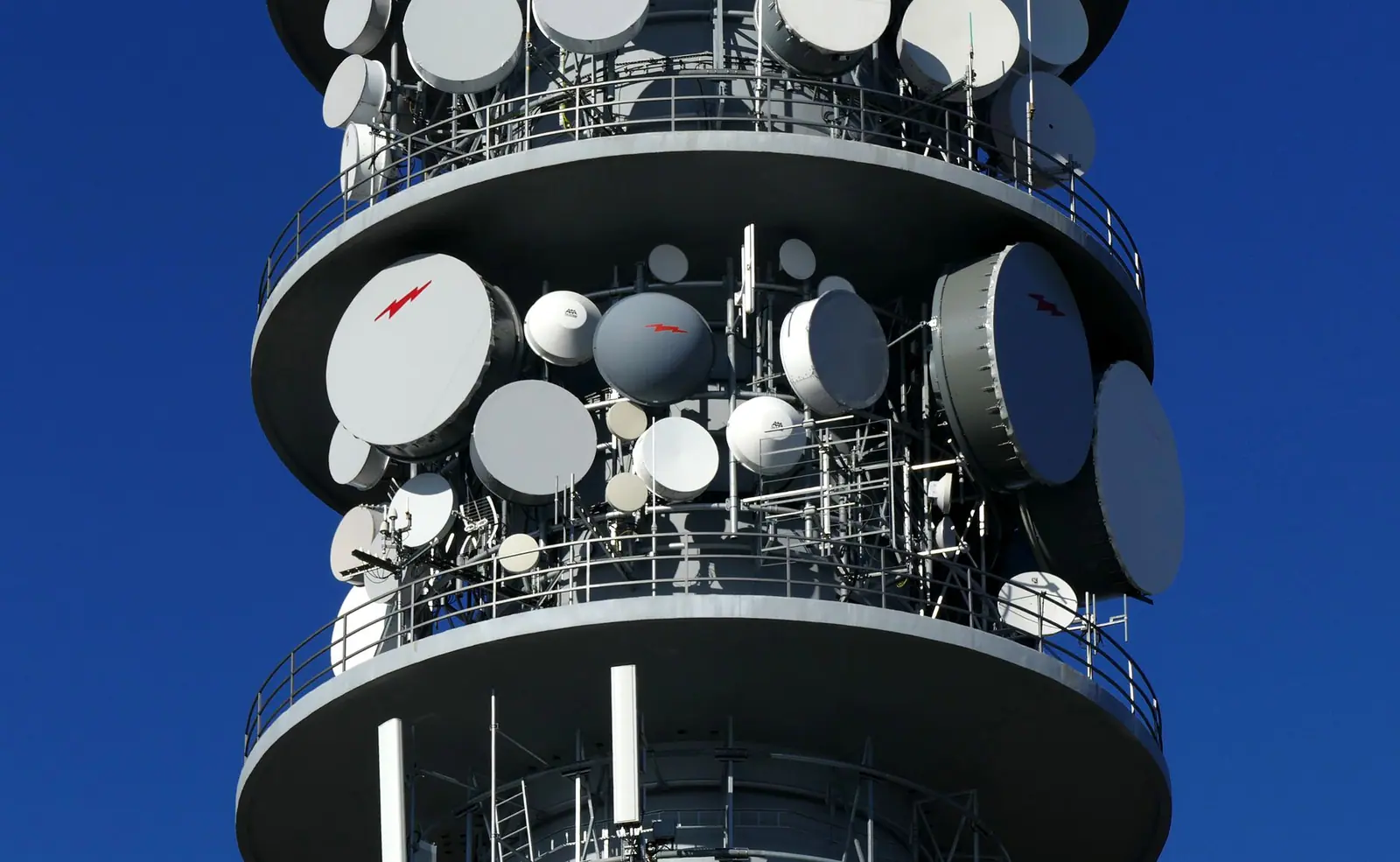
A separate investigation is under way into burned Starlink antennas. The interior ministry and the State Agency for National Security (DANS) have drawn up steps and are already carrying them out, security has been raised, and police are guarding critical sites. A police officer cannot stand next to every antenna, Radev noted. Demerdzhiev said all the facts and circumstances will soon be clarified.
DANS chairman Plamen Tonchev warned that similar acts of sabotage are possible in future. "Literally every day we identify people who are watching critical infrastructure, including railway bridges and stations," he said.
The government's answers did not satisfy the opposition. Toma Bikov of GERB-SDS said he does not accept the cabinet's reassurances, and asked for preventive measures and preparation for the worst. No one should assume that after four ships have been sunk, four more will not be sunk, he said.
Ivaylo Mirchev of Democratic Bulgaria said the state again lacks the courage to say that the drone attacks in the Black Sea are Russian. He said that whoever wants to set fire to the Starlink antennas is someone who fears that Starlink is attacking them, and he pointed to Russia.
DPS leader Delyan Peevski said the most important point of the hearing was that defence needs money. He claimed that huge spending of billions is being prepared after the elections. The aim, he said, is to avoid harming the ruling parties' presidential candidate. The money would pass through the Road Infrastructure Agency (API) and through Shishkov, to benefit oligarchs and groups of companies. DPS will table a proposal for these billions to go to defence, to people's security, to energy compensation and to compensation for "the high, huge, monstrous food prices".


Comments (0)
No comments yet.