
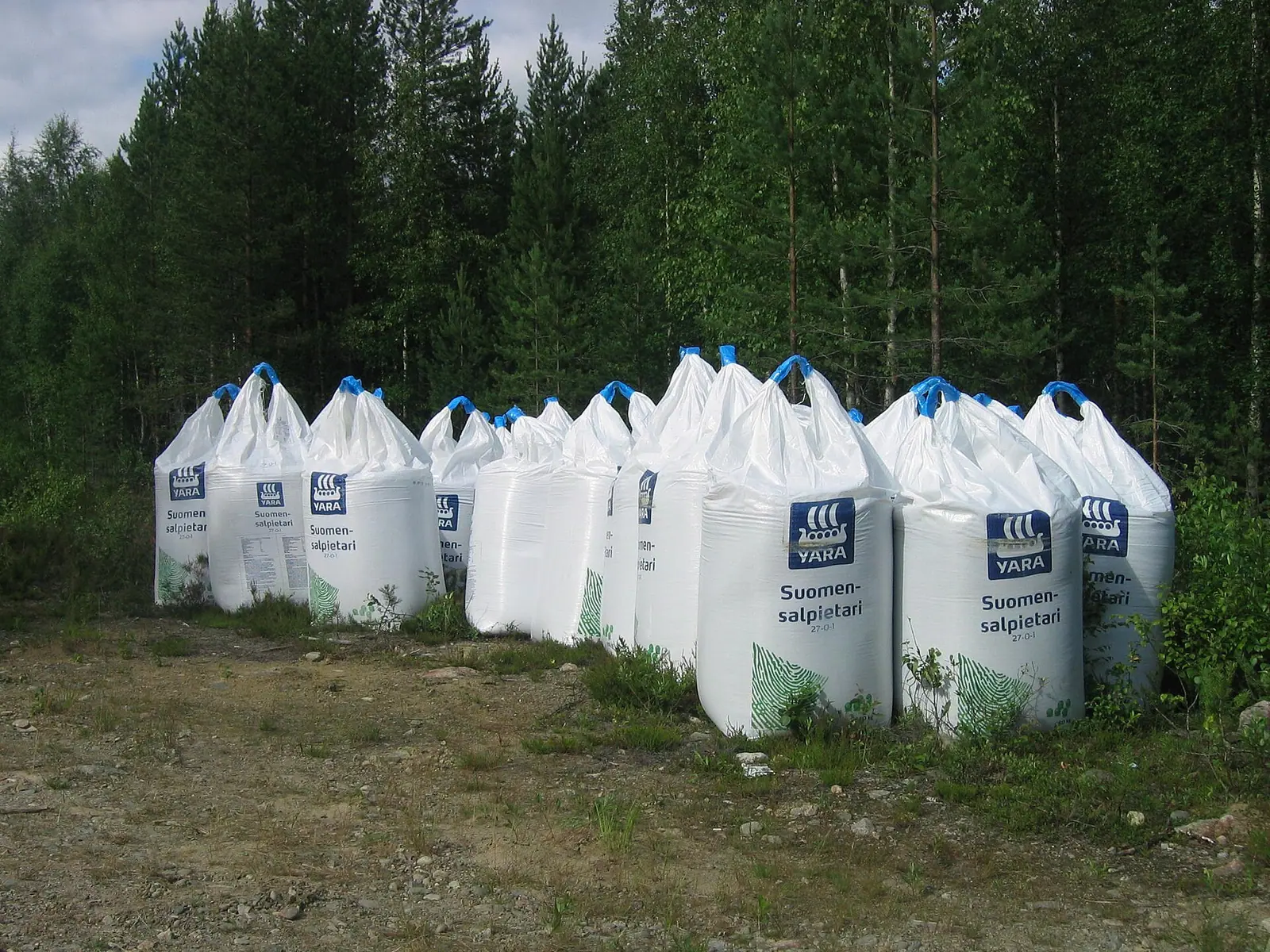
Fertiliser production in Bulgaria could stop if the war in the Black Sea escalates and shipping comes to a halt. Georgi Borisov, commercial director of Agropolychim, warned of the risk in an interview with Bulgarian National Radio (BNR). Ammonia, the raw material for fertiliser, is imported, and the Black Sea is its only route in.
"If we are talking about a lot of strikes, it is possible that all shipping will stop, and production will stop with it," Borisov said.
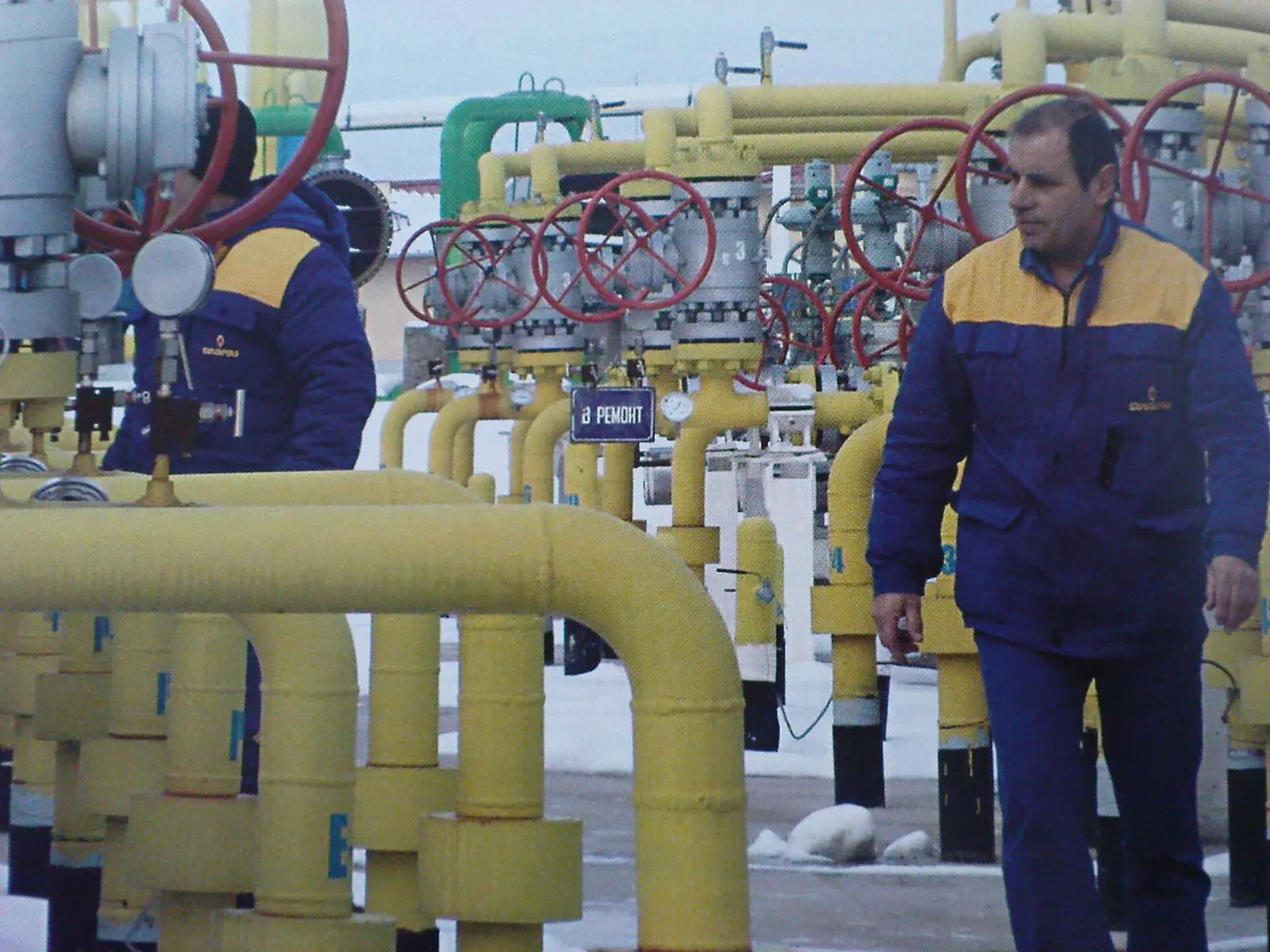
Agropolychim is one of Bulgaria's two fertiliser plants.
Ships in the Black Sea have already come under attack. Borisov says the industry's problems are getting worse, not fading, and everything depends on how far the war goes.
He believes fertiliser prices are already higher and will keep rising. They will go up even more if fighting grows on both fronts, in the Black Sea and the Strait of Hormuz. Ammonia is also getting dearer, and that could push up fertiliser prices when winter comes.
The conflict in the Strait of Hormuz began in early March and sent prices sharply higher because of shortages on the world market. Borisov says this was expected. He believes the sector is hurt both by the attacks in the Black Sea and by the situation in the Strait of Hormuz.
The situation in the Black Sea is many times worse, he said. If the attacks go on and more shipowners refuse to enter the sea, imports of products that supplement Bulgarian output will stop. Then, Borisov warned, "we are no longer talking about higher prices, but about being unable to produce and a mass cut in all imported products."
For now, ships are not refusing trips to the Black Sea in large numbers. But more owners are growing wary once they see what the war risk costs. Insurance rates have risen three, four and even five times, especially for more dangerous cargo. The ship and the cargo are insured separately, and some shipowners want the buyers of the goods to cover part of the war risk insurance.
If both plants work normally, Borisov does not expect a fertiliser shortage. Imports that could replace home production are badly hit, but have not stopped.
Both plants have problems with their power supply, but both hold some fertiliser in stock.

Comments (1)
Ало, амоняк ли казахте? Търговския директор на "Агрополихим" – Георги Борисов, значи. Сега чакам да разбера дали този Георги е все още от онзи Георги… че малко се обърках с имената напоследък. И тоя амоняк по море ли идвал? Баси! Ами ако стане буря, кой ще ни даде торове тогава бе?!