
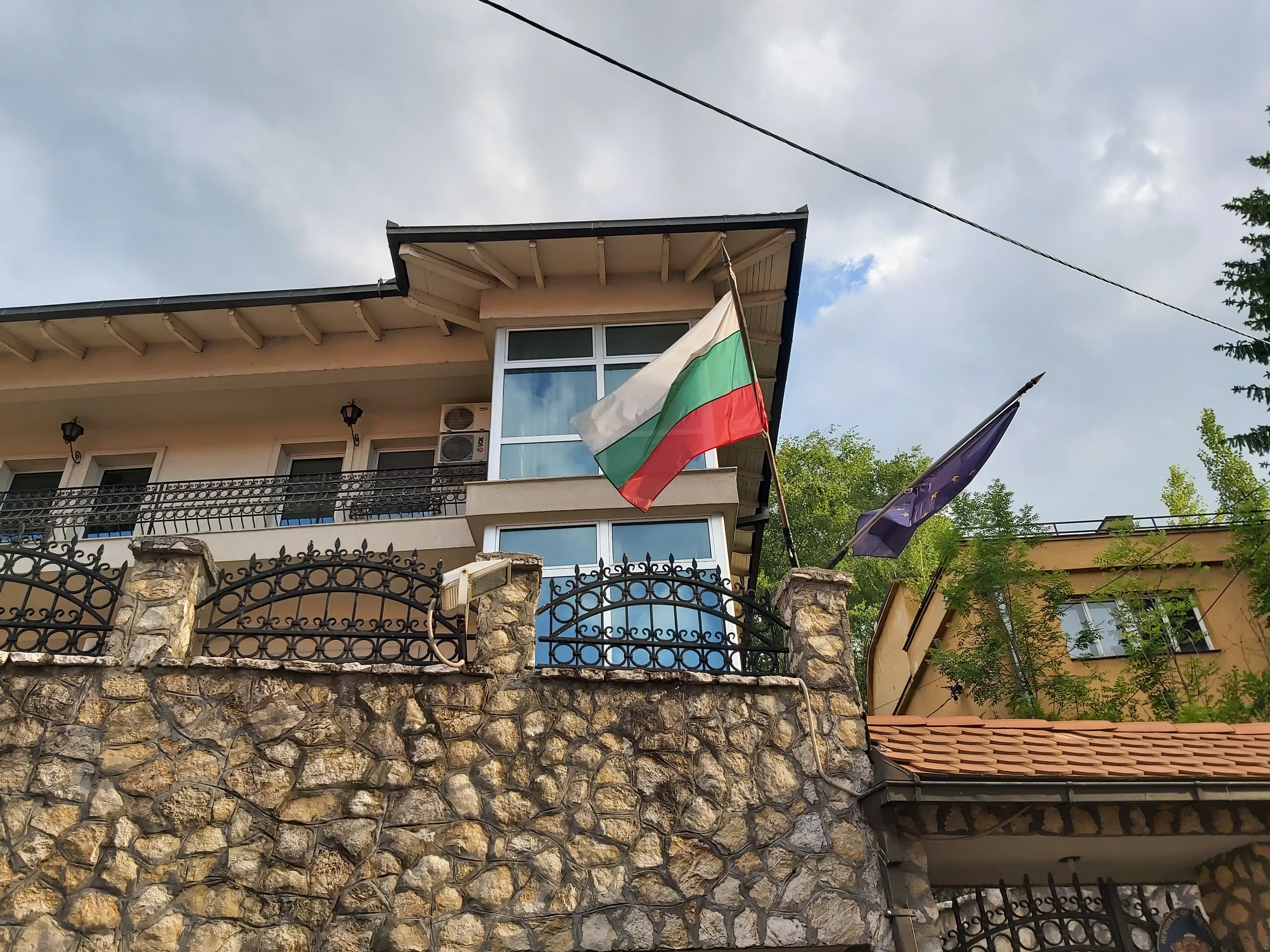
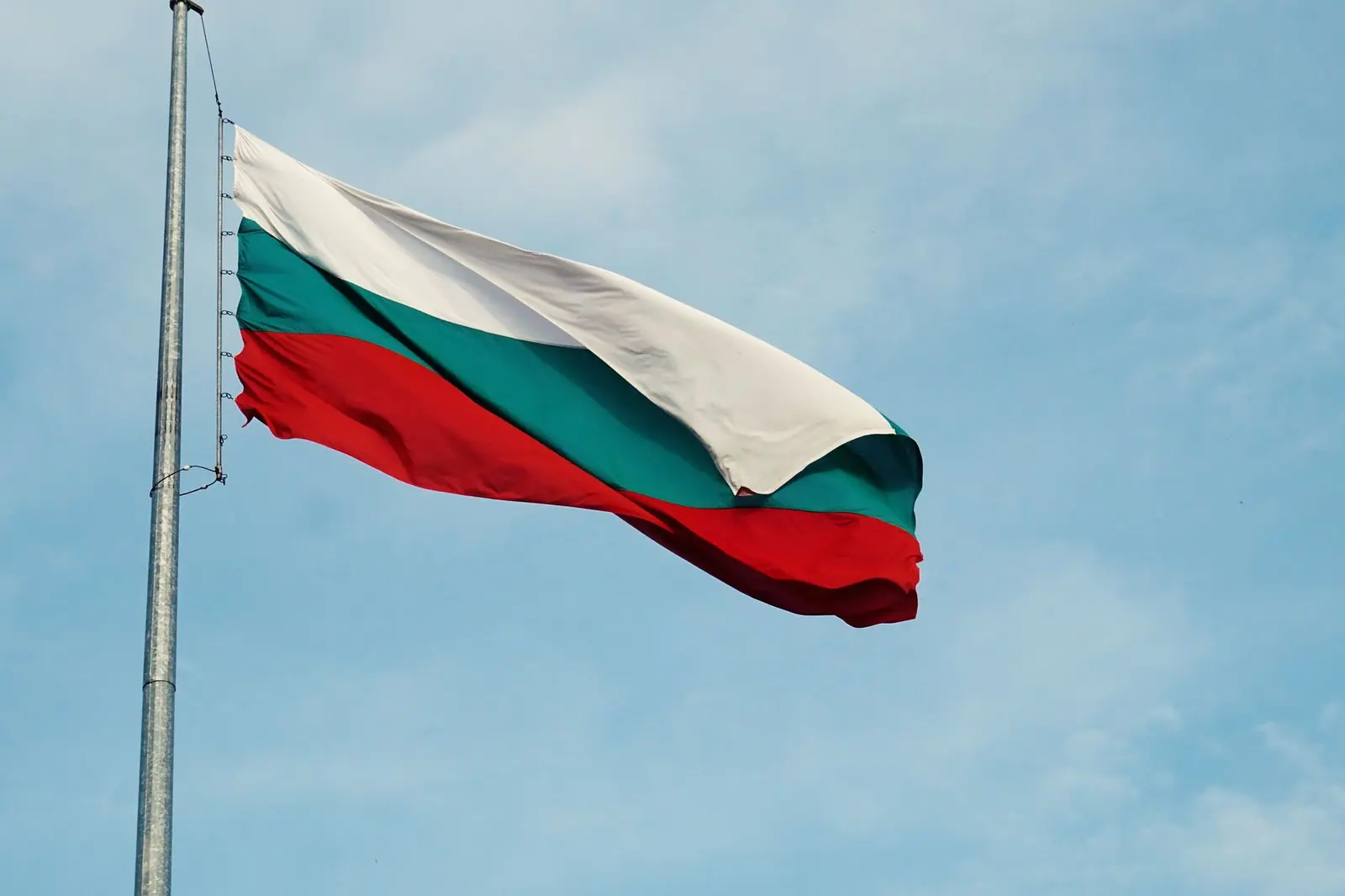
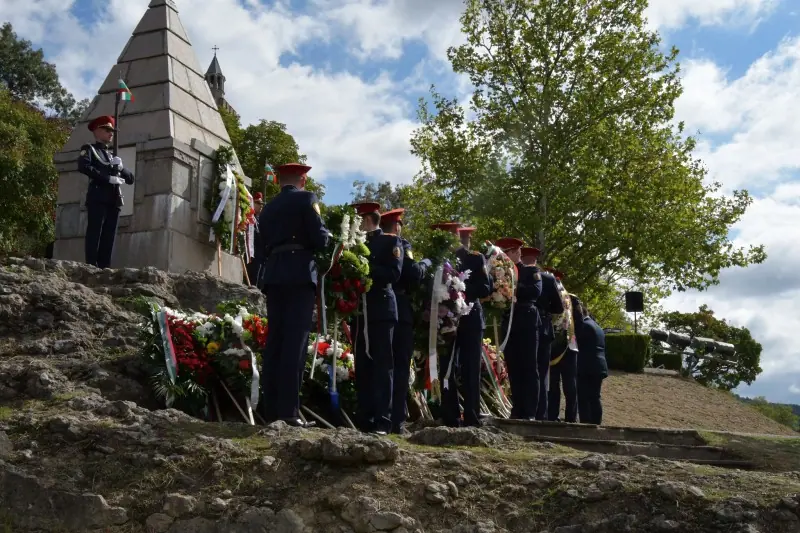
National memory preserves those pivotal moments that define the historical trajectory of the state. One such landmark moment is the Unification of 1885 – a civic act that demonstrates the unbreakable spirit of the Bulgarian people.
The roots of this epochal event lie in the unjust Berlin Treaty, which divided Bulgarian lands and created artificial borders between compatriots. Eastern Rumelia remained formally autonomous, but effectively under Ottoman control, which provoked deep discontent among patriotically minded Bulgarians.
Key figures from the intellectual and social elite recognized the need for national unification. They understood that common language, shared culture, and historical destiny are stronger than the political agreements of the great European powers.
On September 6, 1885, in Plovdiv, a revolutionary act occurred – local authorities and patriots removed the governor without bloodshed. Immediately after, the Unification was declared and a temporary government was formed. Prince Alexander I Battenberg publicly supported this bold decision, which caused serious international tension.
The Ottoman Empire immediately protested, and Serbia even declared war. Despite the risks, the Bulgarian army demonstrated exceptional will and achieved a decisive victory at Slivnitsa, which consolidated national sovereignty.
The most significant result of the Unification is the international recognition of Bulgarian statehood. Just a year later, European powers were forced to accept the new geopolitical reality. This day became a symbol of national unity, resistance, and inflexibility in the face of external challenges.
Today, September 6 continues to be not just a holiday, but a message – that unity, patriotism, and collective will can overcome the most complex historical obstacles.


Comments (5)
Тъпояко!Българитевинагисабилиединнарод💪🇧🇬
исторически пробив срещу ottoman😎!!
величествен момент на национално самоопределение! 🇧🇬🇪🇺
podvig, koyto promeni tseliya balkanski region zavinagi!
Истинско национално величие! Гордеq се, че сме успели да съединим българските земи!