
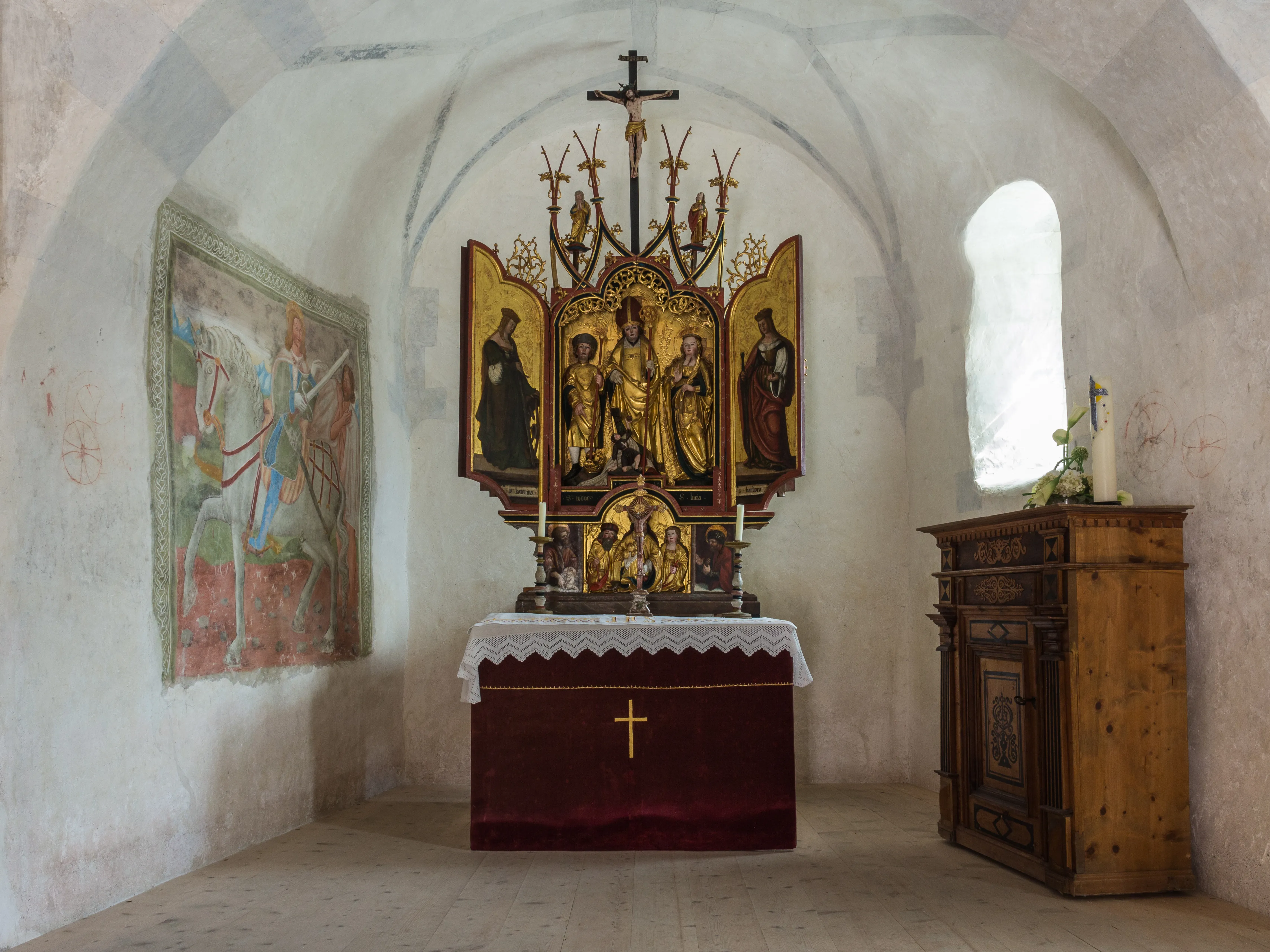
The Orthodox calendar reveals its next richness on August 5, combining two iconic spiritual events that provoke reflection and inspiration among Bulgarian believers. This day marks a special period of spiritual preparation and inner transformation.
The eve of the Transfiguration of the Lord represents a key moment in the annual liturgical cycle. Christians prepare for tomorrow's great holiday, which refers to the biblical event on Mount Tabor, where Jesus Christ appears in his Divine essence before his chosen disciples.
Traditionally in Bulgarian churches, this period is accompanied by the consecration of the first ripened fruits – apples, grapes, and pears. This ritual symbolizes gratitude to the earth and anticipation of future fertility, while simultaneously preserving the connection between the spiritual and natural principles.
Parallel to the liturgical preparation, August 5 is also a day of honor for Saint Martyr Eusignius – a remarkable figure from the first Christian centuries. His biography reveals an example of exceptional loyalty and moral courage: a former soldier who served under the banners of three Roman emperors, he remained steadfast in his Christian convictions.
The life of Eusignius is a testimony to spiritual resilience during persecution and oppression. His martyrdom becomes a symbol of unwavering faith and moral heroism that continues to inspire generations of Christians.
The contemporary interpretation of these two spiritual moments transcends purely religious boundaries. They become a metaphor for personal transformation, for the ability to withstand trials and preserve one's essence regardless of external circumstances.
For the Bulgarian, these days are an opportunity to rethink their spiritual path, to extract wisdom from historical heritage, and to seek inner renewal. The message remains enduring: true strength comes from faith, perseverance, and readiness for personal transfiguration.
Comments (4)
Силна духовна седмиц, брат! 🤔
Яко е, ама малко тежко за разбиранне
🤪 аз чаках този ден да стана светец поне за малко!!
Абе, пак ли черква? Пак ли мъченици? 🙄 Еее, животът е кратък!