
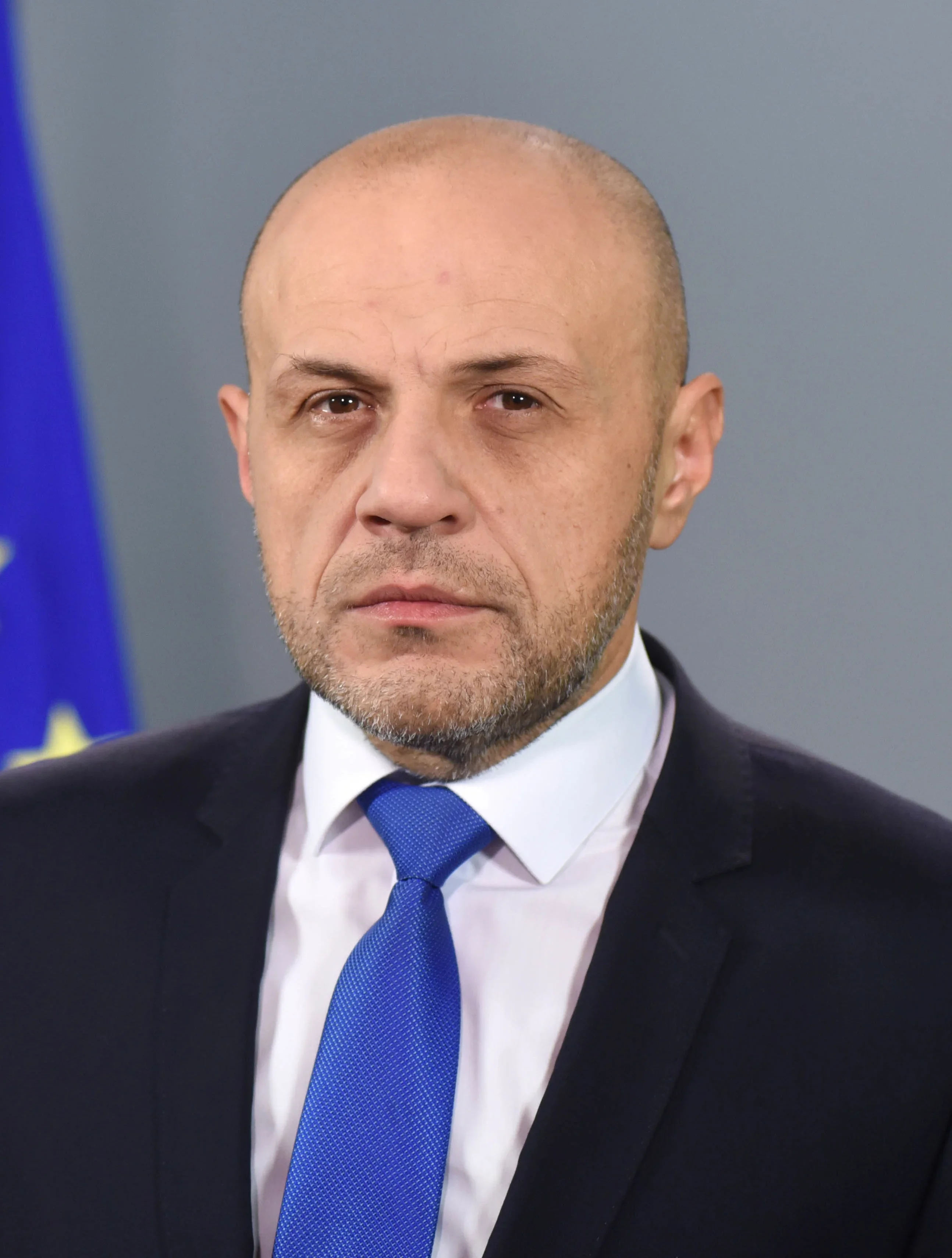
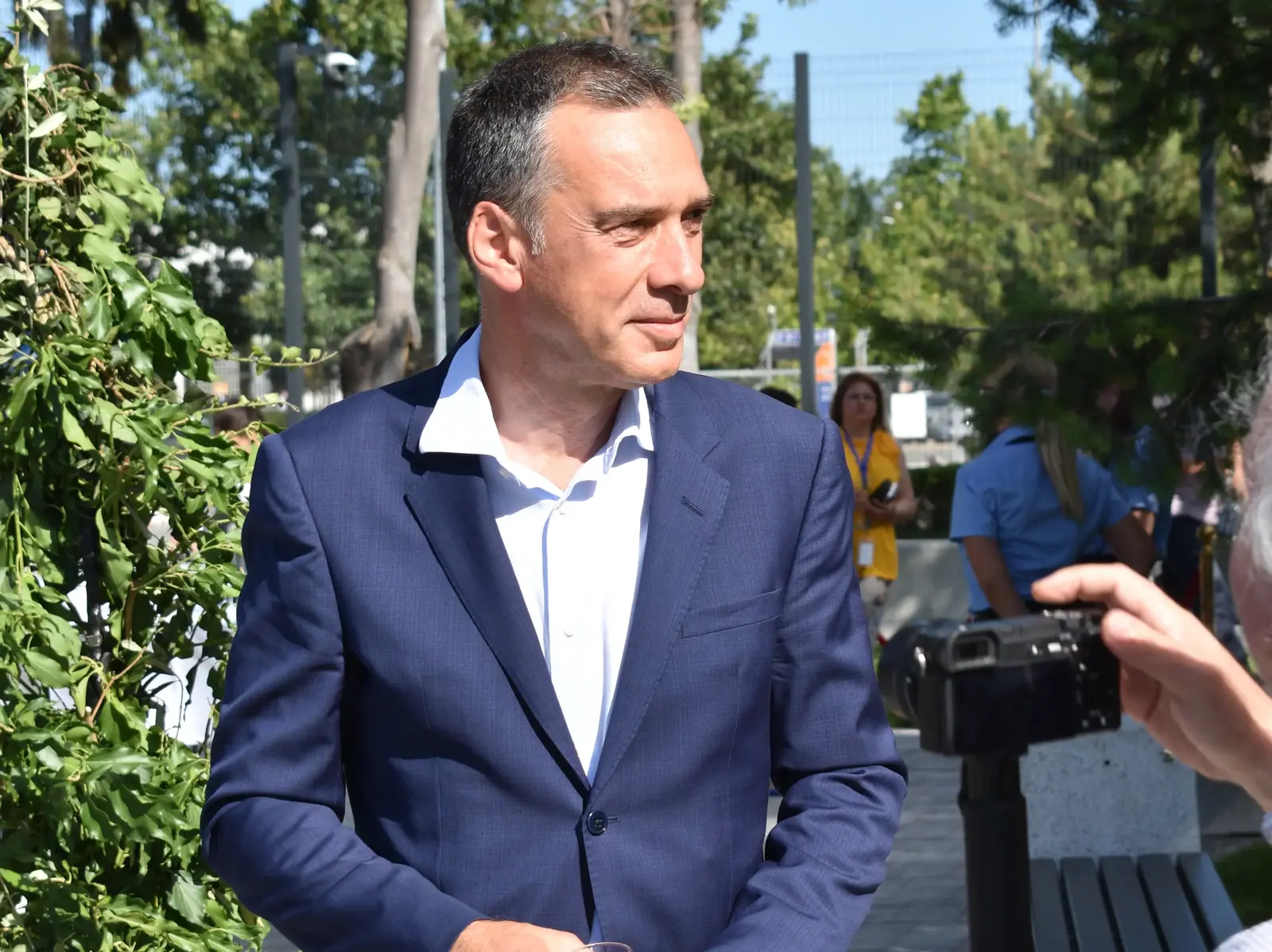
The state should give a clear signal for the priority of scientific research and development, with companies that invest in them receiving tax breaks. This was announced by Deputy Prime Minister and Minister of Innovation and Growth Tomislav Donchev at an innovation forum.
"A conversation that has not stopped in the last ten years, without a real result. I think we are in an advanced phase of talks with colleagues from the Ministry of Finance and for 2026 I hope, with the successful completion of these talks, the state will have given such a sign," said Deputy Prime Minister Donchev.
Tomislav Donchev took part in a discussion panel dedicated to innovation, within the framework of the fifth edition of SEE ITS Summit 2025 - the largest forum for innovation and technology in Southeast Europe. The forum is organized by the Association for Innovation, Business Services and Technology (AIBEST) and is held in the capital's "Grand Hotel Millennium".
In the lively atmosphere of the forum, the Deputy Prime Minister emphasized that within two weeks, the available laboratory equipment in the Competence Centers and the Centers of Excellence, for which significant funds have been invested, will be available not only to universities, but also to businesses. The goal is for every entrepreneur and industrialist to have information where the equipment is located and to be able to use it.
He pointed out the problem that Bulgarian industry is not aware of the built and available national innovation infrastructure.
"The national innovation infrastructure has a terrible problem. We have invested tens of millions in digital laboratory equipment available to universities, but businesses do not know about it," the Deputy Prime Minister specified.
In the course of the discussion, Tomislav Donchev emphasized the importance of education - higher and professional. Professional education is key to the future competitiveness of the Bulgarian economy, but in this area there are accumulated problems that cannot be easily solved.
According to him, the approach to analyzing weaknesses should be changed, paying attention to admissions in professional specialties, and not just to the results, when young people leave unprepared for the labor market.
"The problem starts at the entrance. Young people go to a vocational school because it is easier to get in and they have not been accepted anywhere else, without a realized need and desire to work exactly that," said Deputy Prime Minister Donchev, adding that the fine-tuning in the state's contribution to the development and support of the economy is in the field of education.


Comments (11)
валяне!!
Вие сме на първата страница, братиq
Томислав
Факт
Хей, фини!