
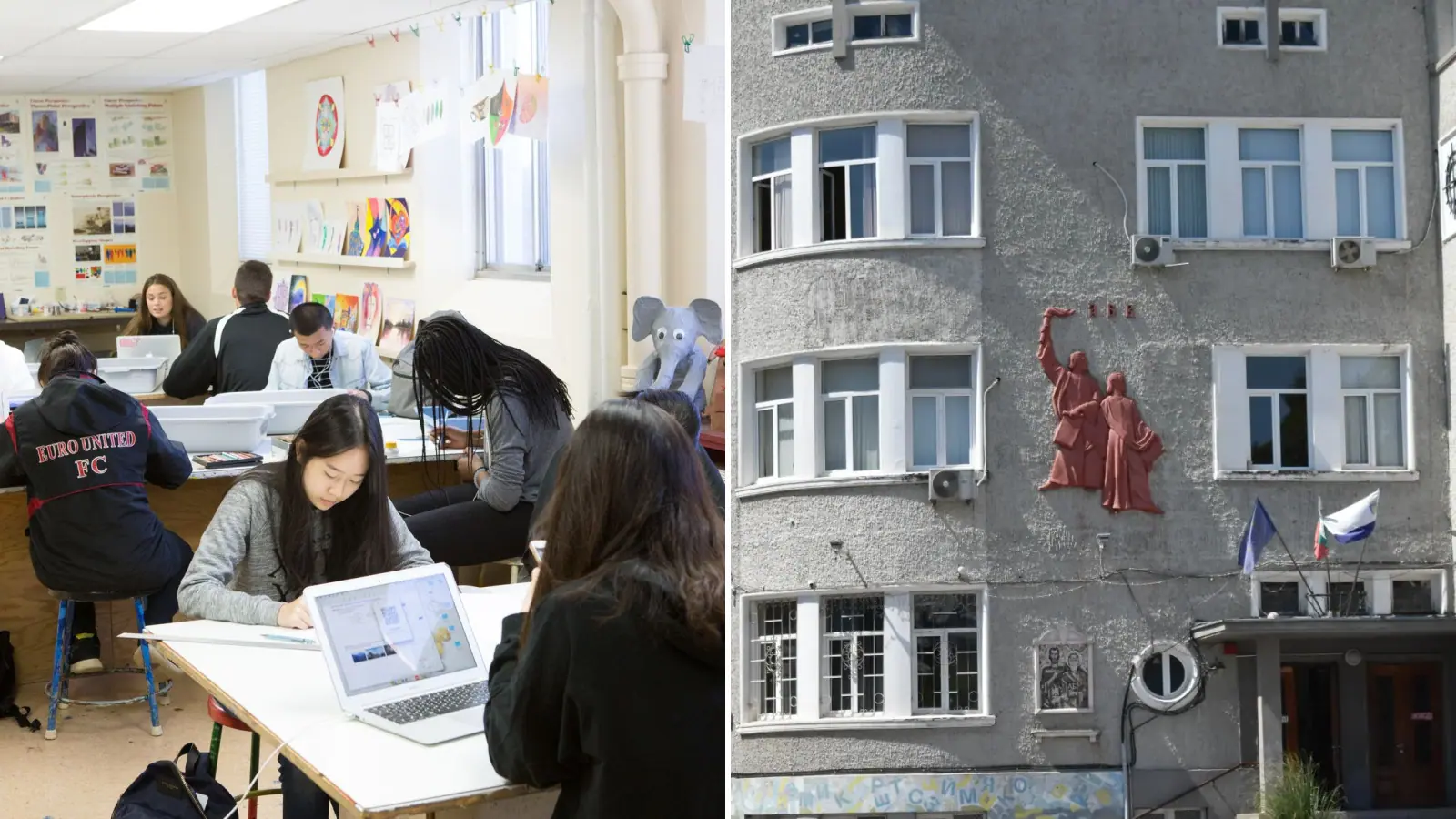
Three schools in Burgas are taking part in a pilot programme this school year (2026/2027) that aims to reduce aggression among pupils, city councillor Vasil Zagorchev said. He presented the programme at the Annual Meeting of Local Authorities in Albena.
The programme covers 4 classes in each school. Children learn to see the good in themselves and their classmates so they get along better. Teachers have been trained to use the materials, and the council pays for their participation.
Zagorchev said it is too early to judge the results. Other schools can join if they are interested.
Burgas runs programmes for children and families, from early childhood to student years. They include "Happy Child, Happy Family", "Read Me a Story", "Burgas Children" and "Successful Students".
Zagorchev spoke on the panel "Children at the Centre: the Municipal Contribution to Child Wellbeing", moderated by journalist Iva Doychinova. Participants discussed healthy eating, access to sport and education, preventing violence, and job opportunities for young people in their home regions.
Troyan council cooks the food for all its kindergartens in one place. Some of the fruit, vegetables and honey are produced under the council's control. Mayor Donka Mihaylova said the council took up farming because it had no information on where the fruit and vegetables it was supplied came from or how they were grown. It bought 4 tunnel greenhouses for €10,225.84 (20,000 leva) and hired 2 staff.
In Troyan's kindergartens, 5.7% of children are outside the normal weight range, compared with 7.1% in Lovech region. Obese children make up 3.5%, against 10.2% in the region, and there are 3 times fewer children with diabetes. From the start of 2027, the council will feed schoolchildren the same way, with a three-tier menu.
Troyan also offers free skiing and swimming courses. One third of the children go on to train in licensed sports clubs after them. Mihaylova said care for children's health should combine mass sport and healthy eating. She said the separate initiatives should become a lasting part of how the town is run, and successful local models should be used across the country.
Tundzha council has charged no kindergarten fees since 2010, and pupils have had free lunch since 2009. Mayor Stancho Stavrev said free meals help keep children from leaving school early. In the council's 10 schools, 96% of pupils attend full-day classes.
Tundzha trains young people in trades together with business: viticulture and winemaking, and, with the Austrian group Palfinger, cold metalworking. Students train at the partners' sites, and the council has spent no money on buildings or equipment.
In the village of Kozarevo, the council runs a support centre for children up to 3 and from 3 to 7 years old, and for their families. The centre has a bus for children and parents who cannot get there on their own, and a paediatric surgery is due to open there.
Stavrev said success depends on services working together. Councils create conditions for young people, but to stay they need support from the state and partnership with business, the mayor said.
Maria Zlatareva of UNICEF said councils do not just apply decisions from above but also create their own and can bring in new ideas. For these solutions to last, they need local leaders, partnership between institutions, and the involvement of specialists, families, young people and non-governmental organisations. Good models can be passed on to other councils if they have clear methods, training programmes, quality standards and a way to assess results, along with ongoing training for specialists and exchange of experience.
Help for a child is often interrupted because specialists in schools, social services and healthcare do not know the services that already exist, Zlatareva said. In her view, services should be arranged around the child's needs, and access to good care should not depend on where the child lives.
Participants agreed that successful council initiatives should be shared, assessed and built on, so that support is consistent and young people have more opportunities in Bulgaria.
Andrey Arnaudov, co-founder of "DNK" and "Bulgaria Wants You", said keeping people in Bulgaria and bringing them back are among the main things demographics depend on. This needs a specific budget, responsible institutions, goals and deadlines, Arnaudov said.
"DNK" has run a campaign for higher birth rates for 11 years without money from the state or councils. Each year, 25 families get from it what they need for the child's first year.
Over the past year, 50,000 people have registered on the "Bulgaria Wants You" website, Bulgarians from Bulgaria and abroad who are looking for work and a life in Bulgaria. From the autumn, companies can also post job ads there.
In spring 2027, the platform will organise a series of events for returning Bulgarians in Plovdiv, Burgas, Varna, Sofia and other cities. Arnaudov said the aim is for people to see the opportunities in smaller places too, and he offered councils a partnership to show their opportunities and good practices.

Comments (1)
Албена? Там ли е Васил Загорчев сега, интересно! 💩