
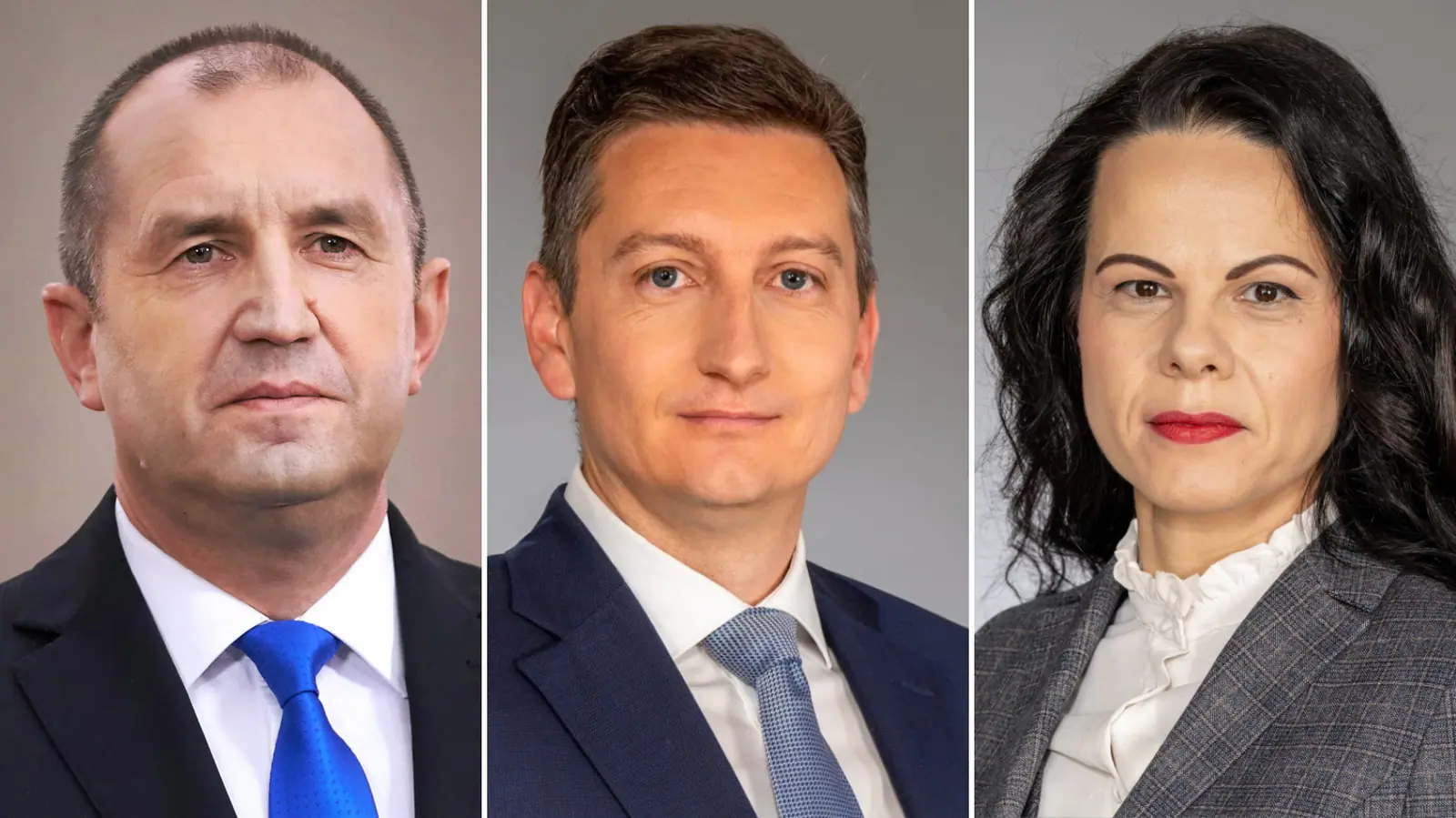
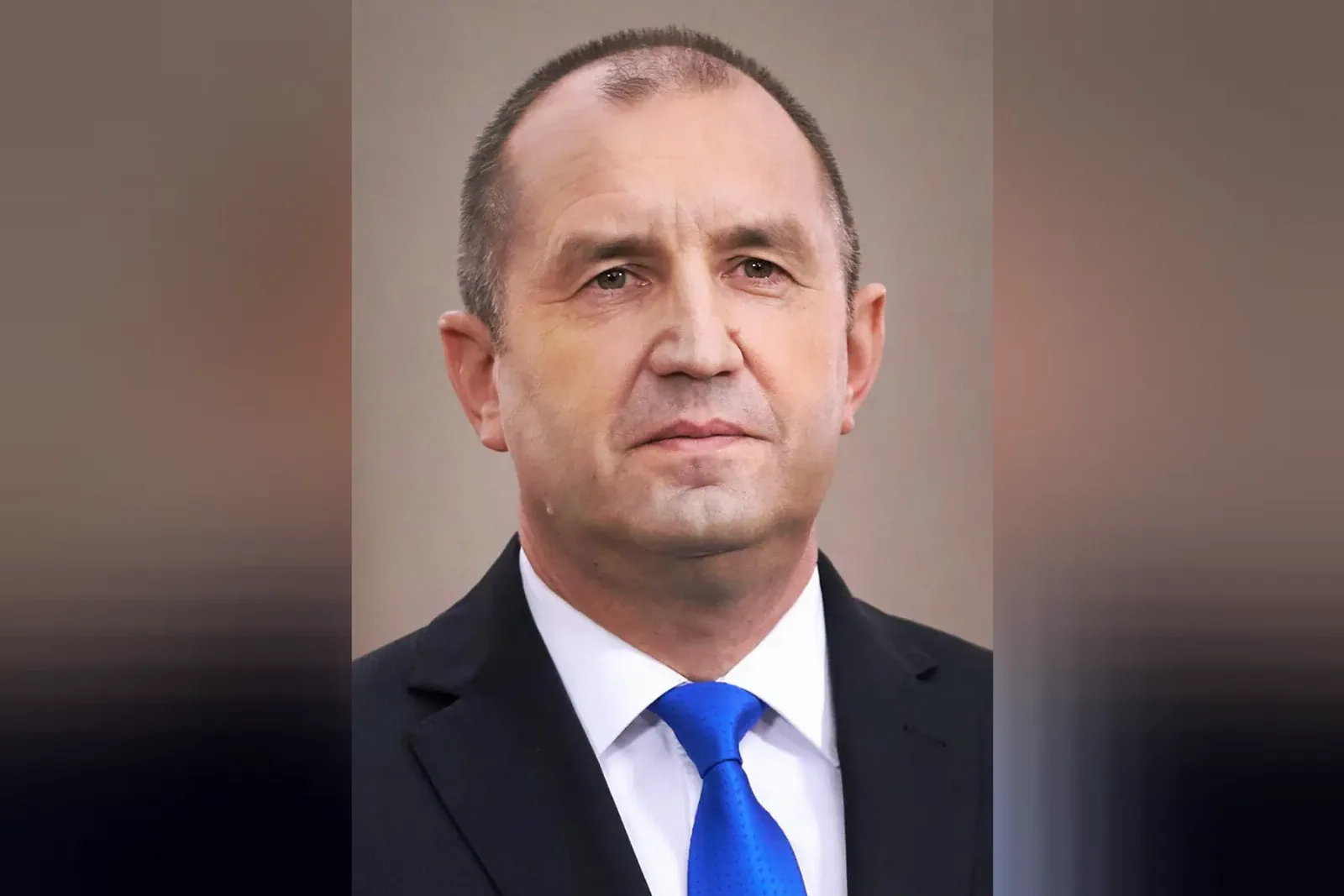
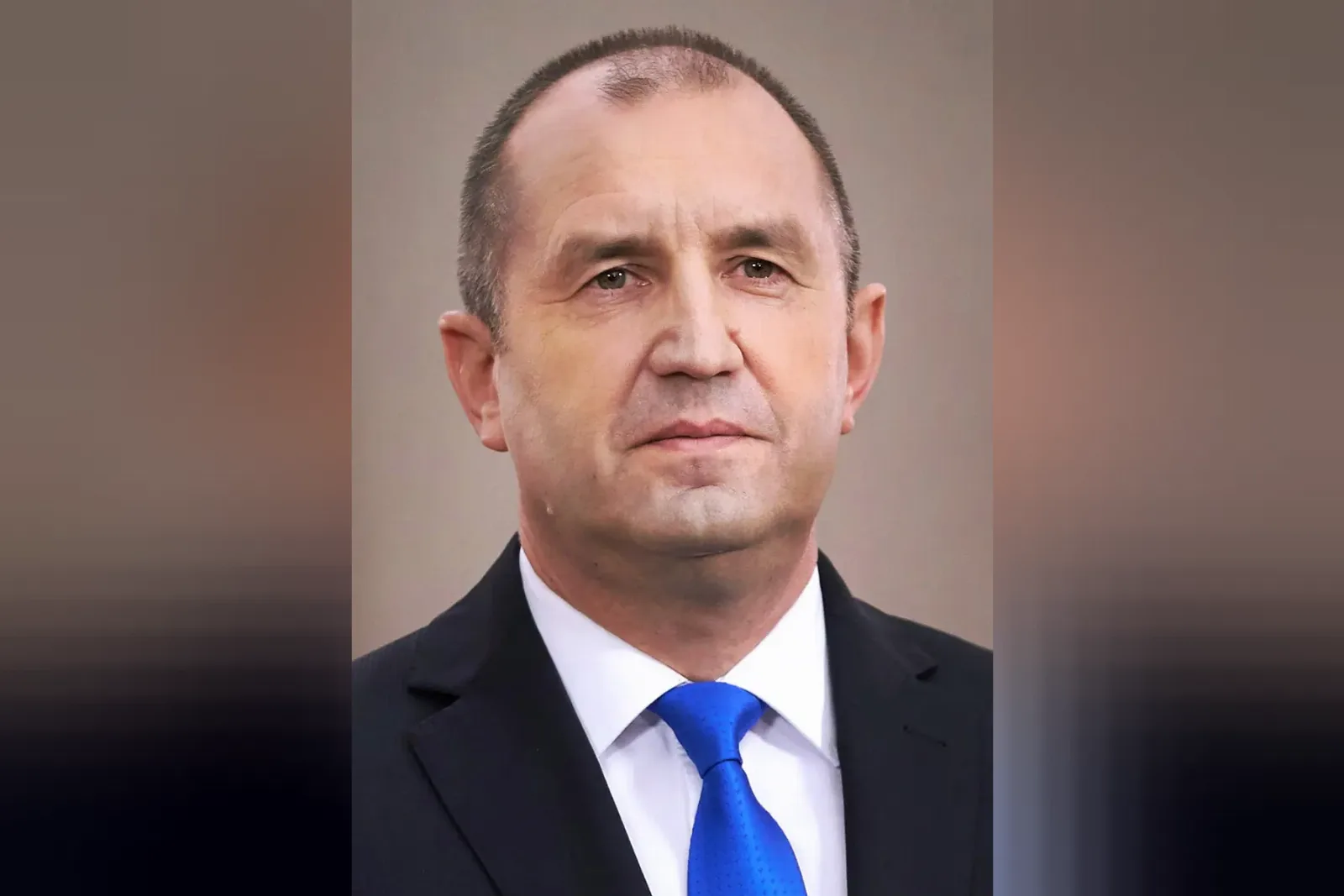
Prime minister Rumen Radev said the government wants to attract US investment because it brings high technology and successful models for development. He spoke at a meeting with the American-Central European Business Association (ASEVA), the government press office said.
Innovation and digital transformation minister Ivan Vasilev and health minister Katya Ivkova also attended.
"When we talk about security and stability, a strong economy is of the highest importance," Radev said. He said economic ties are one of the pillars of strategic co-operation with the US, along with energy and security. Trade between the two countries is growing, and the examples of partnership are a basis for even closer work, he said.
Bulgaria has experience in high technology and in successful projects with international partners, Radev said. He named the INSAIT institute, which works in computer science, artificial intelligence and technology, and the company EnduroSat. EnduroSat has built and launched small satellites into orbit, he said, three times as many in recent years as all European countries together.
Radev said Bulgaria already leads Europe in installed batteries for energy storage. Two days earlier, ground was broken in Tvarditsa for an energy storage park using Tesla technology. The biggest space industry park in the region is due to be built about 15km from Sofia.
Construction is also due to start on Bulgaria's first AI gigafactory. Radev expects it to be among the largest in Europe.
In early October the cabinet approved Bulgaria joining a US initiative on co-operation in artificial intelligence. It focuses on AI infrastructure: access to critical minerals and energy resources, computing power and semiconductor production.
Radev reminded the meeting that after eight parliamentary elections in five years, Bulgaria now has a government with a stable majority in parliament. He hopes this will help attract and carry out strategic investment from the US.
On health, Radev named disease prevention and preventive care as areas for closer work with the US through new technology. The aim is to stop disease before a patient needs to go to hospital or needs extra medical care.
Radev called it a problem that, while funding for the sector is rising, some of the money is diverted or not spent as intended. The government is developing digital tools so that health money is spent more efficiently and more openly. He expects results as early as next year.



Comments (1)
Интересно... "АСЕВА", значи наистина се опитват да привлекат нещо повече от обикновени инвестиции. Да видим дали ще има реална промяна 🤷♂️