
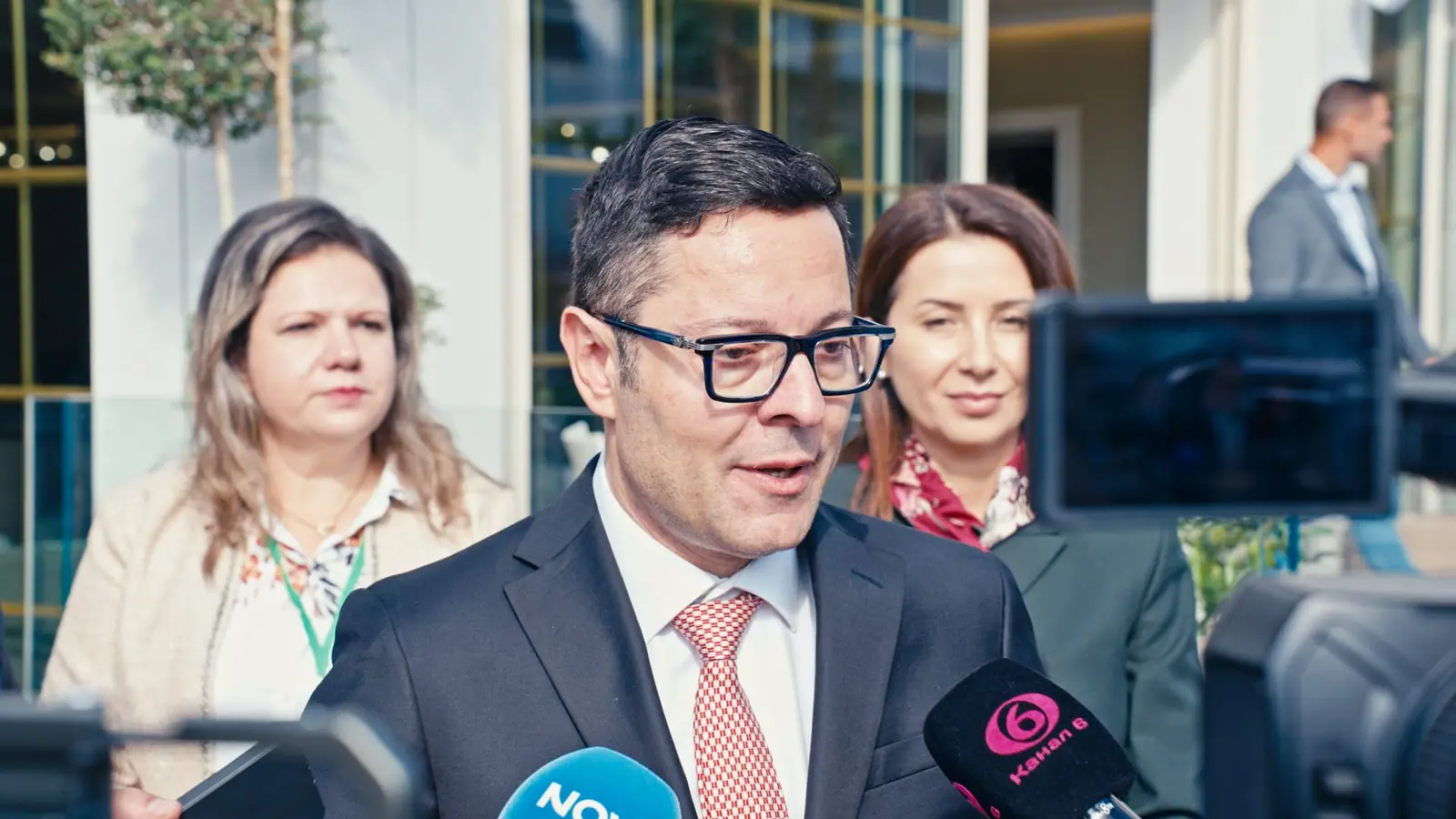
The government is ready to discuss more fuel measures if prices keep rising and new shocks hit, deputy prime minister and economy minister Alexander Pulev said in Sliven. The current measures run for three months and are valid until the end of the year.
Journalists asked Pulev about fuel prices and tension in the Black Sea. He said the government keeps up an active dialogue. The steps against price pressure came early and are already working, and Bulgaria has the lowest fuel prices in the EU, he said. "We see that diesel prices have moved well away from the psychological threshold of two euros a litre," Pulev said.
Retail prices will not change because the ban on diesel exports was lifted, he explained. He said the decision gave the whole industry capital and cash, and the refinery now has extra resources to work more productively and efficiently.
A cut in VAT on fuel has not been decided yet. The government is weighing it carefully because of its effect on public finances. Excise rates are already at the lowest level allowed, and the excise on propane-butane is zero as part of the measures.
Direct financial aid for the most vulnerable groups is a crisis tool, Pulev said, pointing to the €50 payment for low-income people and pensioners. "We know the opposition can spend €50 on lunch in a single day, but €50 for low-income people and pensioners is very important money," he added.
Pulev said the measures were well received: all interested parties were heard and sensible proposals were taken into account. Everyone in the supply chain is behaving well and calmly, he said.
Talks with the special commercial manager show for now no threat to crude oil cargoes in the Black Sea, Pulev added.

Comments (1)
александър пулев... значи пак ще говорим за горивата? какво да разбираме от това "готови да обсъдят"? да не би пак да ни баламосват, че нещо ще се промени, а накрая да си останем със същите цени и оправдания. кога точно са готови да обсъждат, бе? и кой ще понесе тежестта, като станат шоковете 💩