
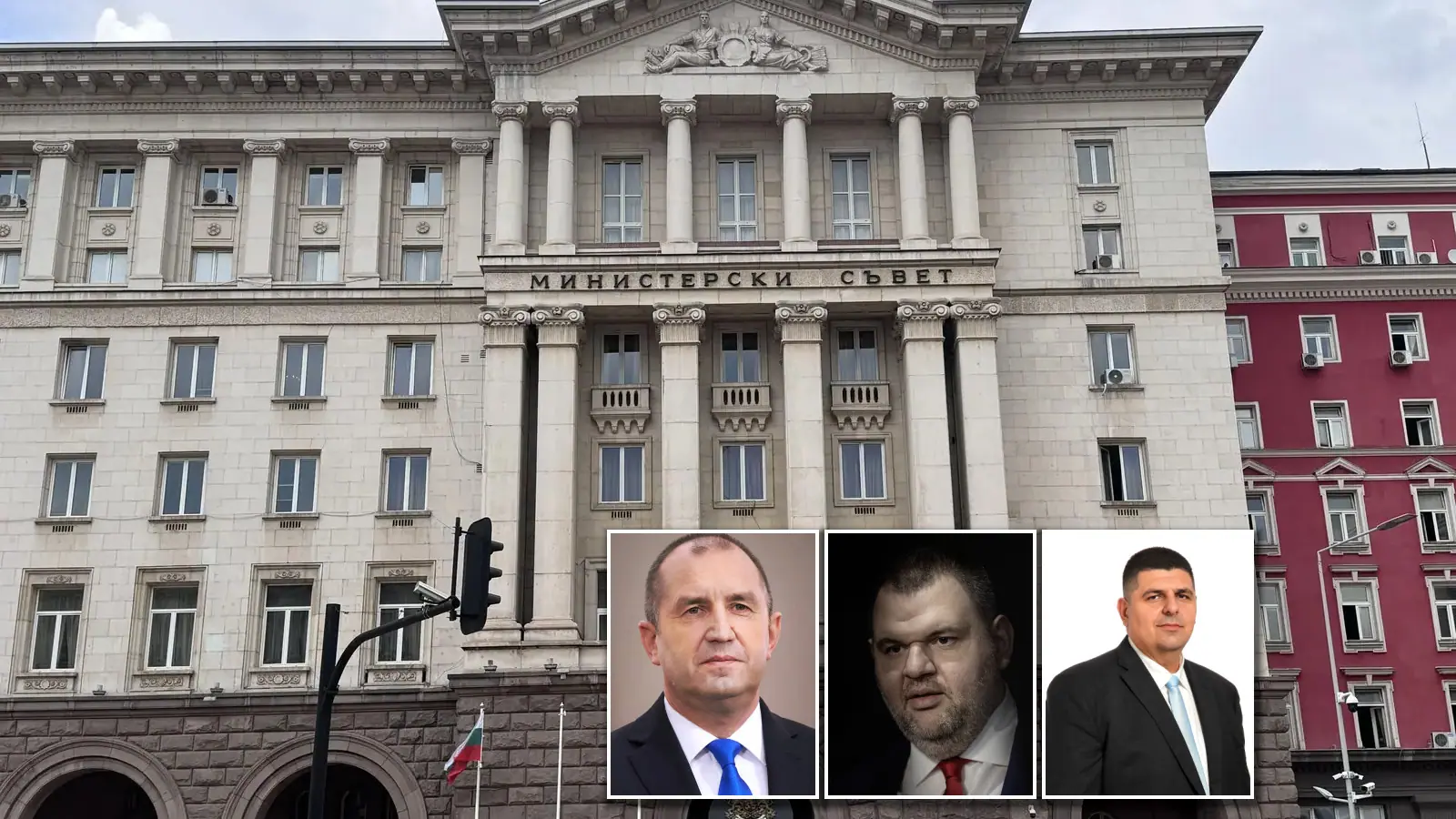
The opposition has asked for an emergency session of parliament to question Prime Minister Rumen Radev and the heads of the security services, after drones attacked two ships in the Black Sea. The prime minister announced the strikes this morning.
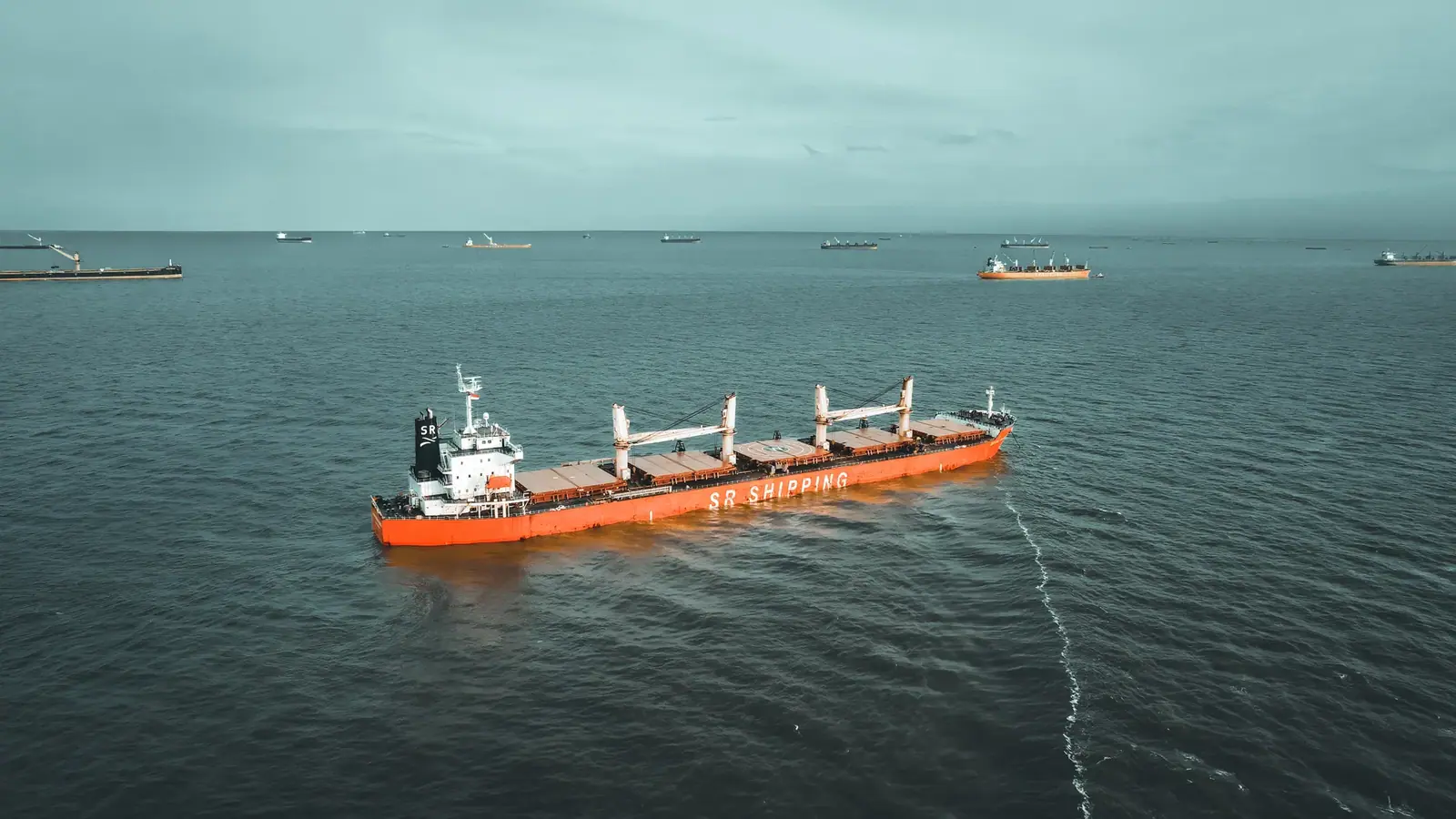
This story follows our earlier report on two merchant ships hit by drones near Bulgarian waters, one of which sank.
Three aerial drones hit the first ship 18 nautical miles east of Byala. The second ship sank 17 miles east of Krapets, and one member of its crew was rescued. Two other ships were attacked last week, after which the Consultative Council for National Security (KSNS) met.
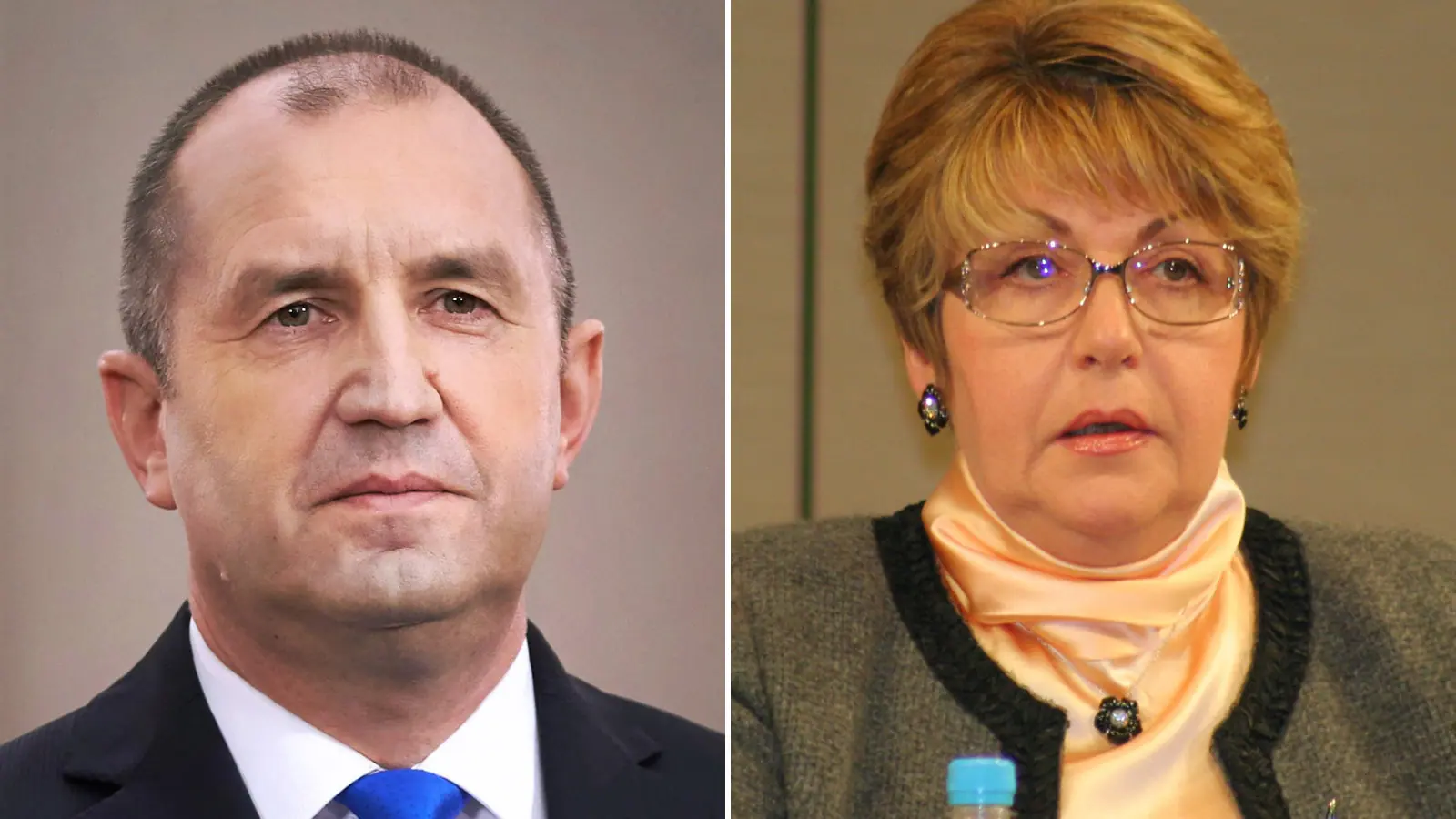
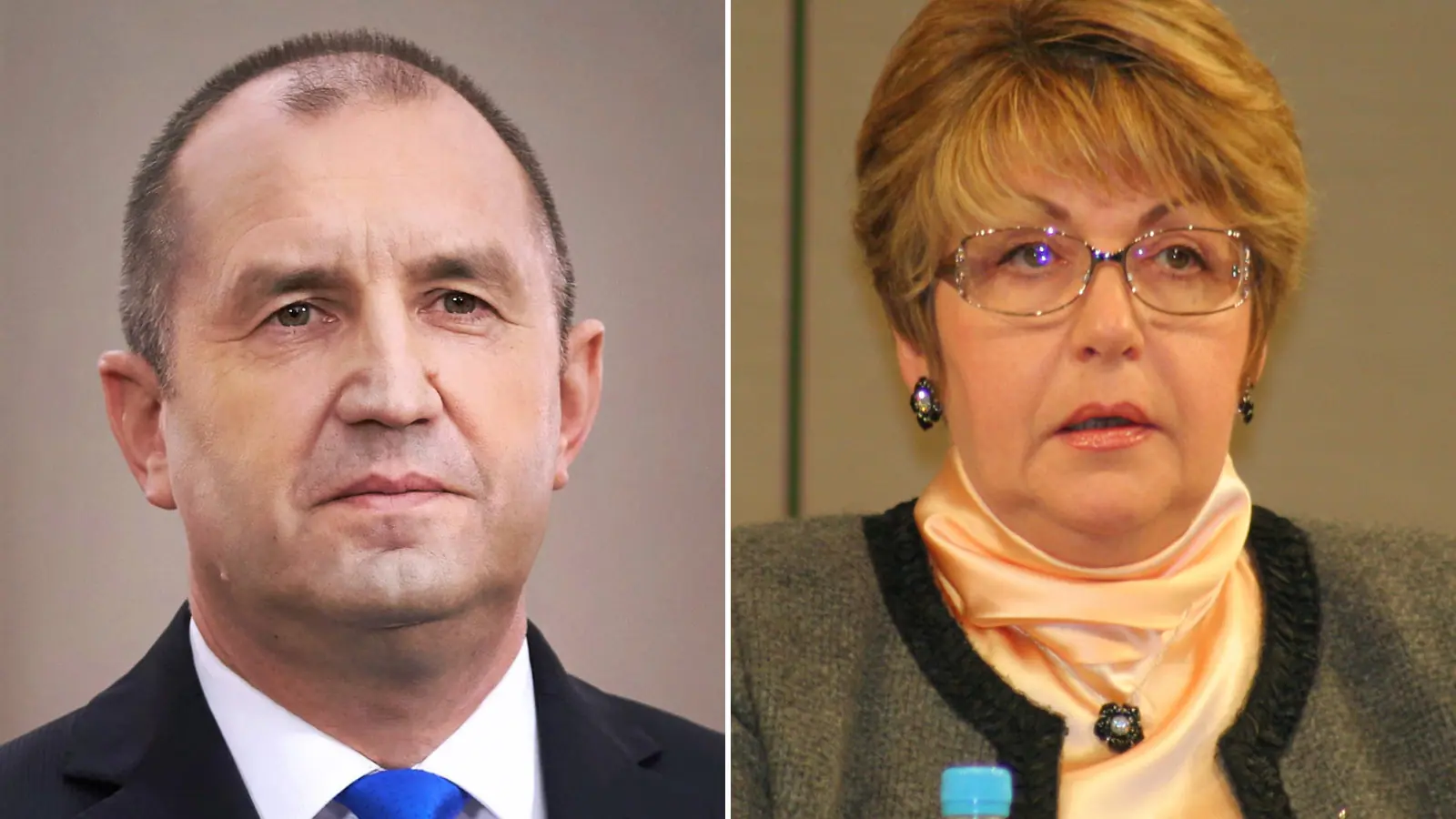
Radev called an emergency meeting of the Security Council at the Council of Ministers. Earlier he said he would summon Russian ambassador Eleonora Mitrofanova.
The ruling parties said they are acting fully in line with NATO protocol and are not underestimating the problem. Petar Vitanov, head of the Progressive Bulgaria parliamentary group, said Radev will discuss with NATO Secretary General Mark Rutte today what steps to take.
Vitanov said: "Bulgarian institutions cannot solve this issue on their own. We need a Europe-wide response and a Europe-wide initiative." He rejected the claim that the government has ignored the issue, and said Bulgaria has raised the security of the Black Sea to the European level.
Vitanov said that as long as the war goes on, even after 99 drones are shot down, the hundredth will hit. He said his party pointed out after the first attack that the drones were Russian, and this is now being confirmed.
GERB-SDS will collect signatures for an emergency session of the National Assembly with a closed part, MP Daniel Mitov announced. He said the government must set out its arguments there, and the services must present the information they have. Georg Georgiev of GERB-SDS said a soft stance, or rather no stance at all, achieves nothing.
SDS again firmly condemned Russia's aggressive policy in the Black Sea and the "piracy" against peaceful merchant ships. The party called on the government to take all necessary steps in NATO. SDS said Russia does not see the cabinet's goodwill as good faith, but reads it as weakness.
DPS leader Delyan Peevski told journalists that because of the KSNS's toothless stance last week, Bulgaria said nothing and the attack was repeated. "However much they rush around this morning, the whole state is under camouflage: there is no majority, no MPs, no Council of Ministers, no president," he said.
Democratic Bulgaria proposes five steps. They include summoning Mitrofanova to the Foreign Ministry, where she would be handed a note, and asking Russia for firm guarantees that the attacks will not happen again. They also call for urgent consultations in NATO and for the prime minister and the heads of the services to be questioned today. DB says the low-profile policy of Radev and Yotova towards Russia has not impressed Putin.
Ivaylo Mirchev, co-chair of Yes, Bulgaria, said more ships have been sunk in recent hours and no one now doubts the attack is Russian. He said it is a huge problem that some statesmen do not dare to say "aggressor" and "Russia" in one sentence. Yordan Ivanov, deputy chair of DSB, called the situation a security crisis, in which the party insists that institutions act with resolve.
Tsoncho Ganev of Vazrazhdane, a deputy speaker of parliament, said the war is already in our yard and Bulgaria has long been taking part in it. He called for an immediate halt to arms deliveries and for the agreement with Ukraine, signed by caretaker minister Andrey Gyurov, to be scrapped. Asked where the attack came from, Ganev said the authorities must establish and prove it.
Asen Vasilev, leader of We Continue the Change, said that after the two attacks there will be no normal shipping in the Black Sea, which will hit imports and exports. He asked for protection for Bulgarian business and oil supplies, and for talks with Greece and Turkey on other routes. He sees no use in meeting Mitrofanova. In his view, Russia has declared Bulgaria a hostile state, and the lack of a firm policy makes the aggressor more aggressive and the country its prey.

Comments (1)
Крапец... Сериозно ли? Да не би да има още нещо да се случва там?