
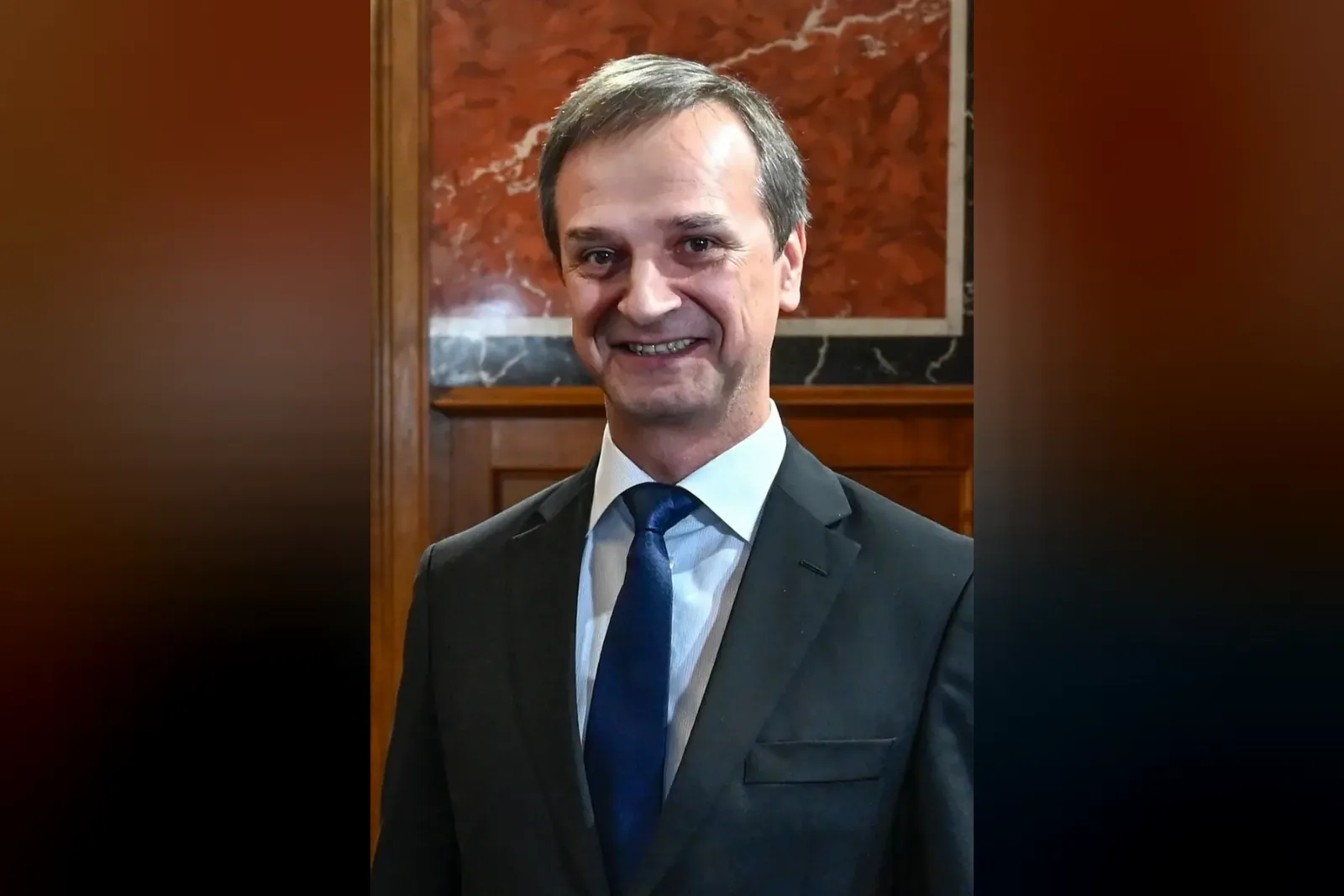
A new rule in the Electoral Code will slow voting abroad, Radi Naydenov, the foreign ministry's permanent secretary, has said. Voters must now fill in a declaration in front of the whole polling station commission. Naydenov also chairs the ministry's "Elections" working group.
In the declaration, voters state that they will not vote anywhere else. Until now they filled it in in a separate room. Naydenov said the current wording of the code will drag out the process, because several people cannot easily fill in declarations at the same time, and others may overhear voters' personal details.
Naydenov said a way must be found to follow the law without taking away people's chance to vote. For the next elections, he proposed making advance registration by application compulsory.
So far, between 10% and 20% of voters abroad have registered in advance. The other 90% are added to the lists on the spot, with their names and personal details written in by hand.
The ministry has received 39,194 applications from 73 countries. There will be 613 polling stations in 60 countries. Of nearly 39,000 applicants, 38,227 have been entered in the voter lists. Approved applications go to GRAO, the civil registration body, and the people are struck off the relevant lists. Anyone struck off cannot vote anywhere else, so voting twice is ruled out, Naydenov said.
The voting machines were certified again, and the foreign ministry received them on Saturday and Sunday, 17 and 18 October. It then set up teams to send them to polling stations by courier and by car.
The state aviation operator will carry part of the load. Its planes will fly 80 staff, who are also diplomatic couriers. They will take the machines, election papers and ballots.
Overall, 280 machines are planned for polling stations abroad: 242 stations will get one each, and 38 will get two.
The foreign ministry opposes sending machines to Russia. It bases its view on an analysis by the embassy there, which says that voting by machine will be slower and harder at every polling station.
The number of polling stations is limited, Naydenov said, because the law sets other conditions for opening a polling station commission, not just people's wish to vote. Running a vote abroad takes many people and a fair amount of money.
The last elections abroad cost about €2.3m for a set number of polling stations. Naydenov said the current ones will cost more.



Comments (0)
No comments yet.